
Buying a solar power system online is efficient — you no longer need to fly to China to source hardware. But the same channels that lowered costs also attracted suppliers who quote low and ship low quality. Before you wire a deposit, run this 7-point audit. A legitimate factory answers every point in writing within days.
1. A Reliable Solar Power System Supplier Shows the Certification Dossier — Before Quoting
Minimum for any commercial system: UN38.3 (battery transport), IEC 62619 (industrial battery safety), IEC 61215/61730 (panels), IEC 62109 (inverters), CE and ISO 9001 factory certification. For Nigeria add SONCAP; for grid-tied BESS above 100kW, check local regulator registration. If a supplier "will arrange certificates later," walk away.
2. Ask which cell and panel brands are inside
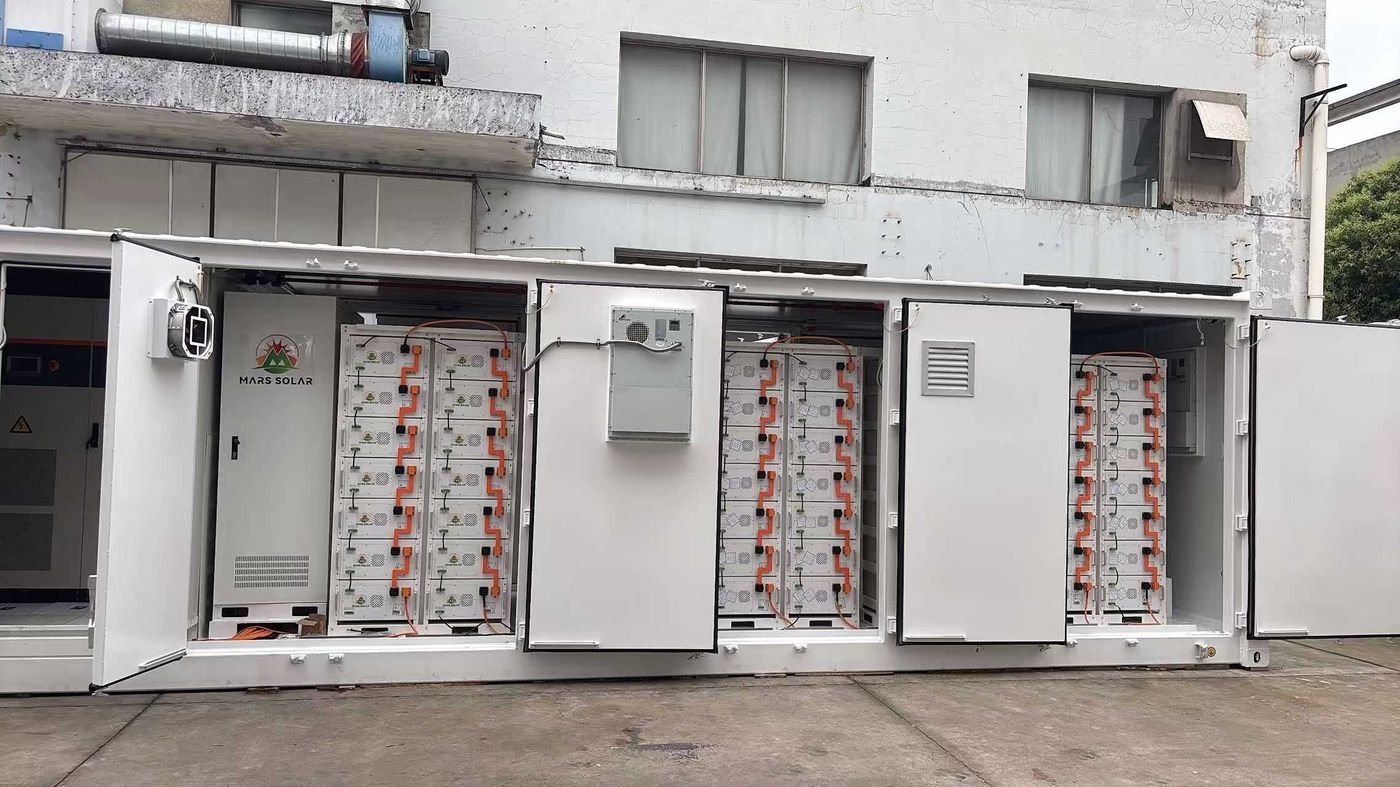
Tier-1 LFP cells come from CATL, BYD, EVE, REPT or Gotion. Panels should be Tier-1 (LONGi, JinkoSolar, JA Solar, Canadian Solar) with a 25-year linear warranty. "Grade-A equivalent" is a red flag — it means unbranded.
3. Verify the factory testing protocol
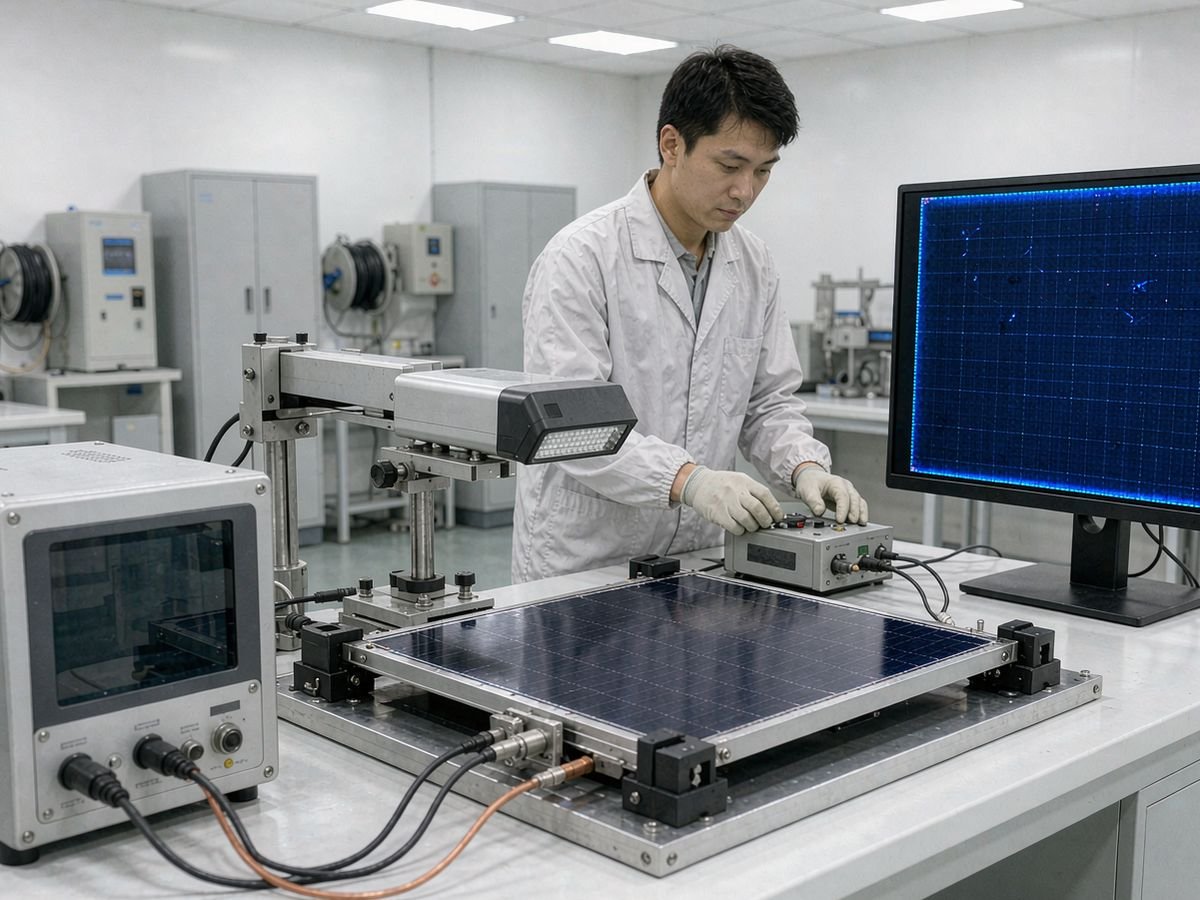
Every complete system should ship after a 72-hour burn-in test with full-load simulation, BMS calibration and grid-synchronization testing. Panels should pass EL and IV testing — at Mars Solar every unit runs 120+ extreme-condition checks before crating. Ask for the test report template; real factories have one. A reliable solar power system supplier treats this as standard, not a favour.
4. Commission third-party inspection
SGS, TÜV or Bureau Veritas will inspect your order at the factory for a few hundred dollars. Our long-term customers in Angola run SGS inspection on every order — a 120kW project was recently verified piece by piece before shipping. A supplier who refuses third-party inspection has told you everything.
5. Read the warranty fine print
| Component | Industry Standard | Red Flag |
|---|---|---|
| Solar panels | 25-year linear power warranty | "10-year warranty" or undefined terms |
| Inverter / controller | 10 years | 1–2 years, parts only |
| LFP battery | 5–10 years, 60–70% capacity at year 10 | No capacity guarantee |
| Support | Lifetime remote diagnostics | Email-only, no monitoring platform |
6. Check real project references
Ask for commissioned projects with photos, capacity details and — for B2B — a reference contact. Volume matters: a reliable solar power system supplier points to 3,000+ delivered projects across 135+ countries and has seen every failure mode your project might meet.
7. Compare landed cost, not FOB price
The cheapest FOB quote often excludes burn-in testing, export crating, UN3536-compliant battery logistics and documentation. Compare the full landed cost: CIF price + duty + clearance + last-mile + commissioning support. The supplier who itemizes all of it is usually the honest one.