Answers about Mars Solar commercial solar and BESS projects: overseas installation quality, ROI and payback, off-grid capability, after-sales support, project lead times, and payment terms.
❓ FAQ
Commercial Solar FAQ: Pricing, Certification, Shipping & Compliance
This commercial solar FAQ answers the pricing, payback, certification, shipping and country-compliance questions we field most often from importers, EPC contractors and factory owners — with the figures we actually quote in 2026.
Pricing & Payback
Price questions come first, so this section of our commercial solar FAQ gives the actual figures we quote in 2026 and the two variables that move them most.
How much does a commercial solar system cost in 2026?
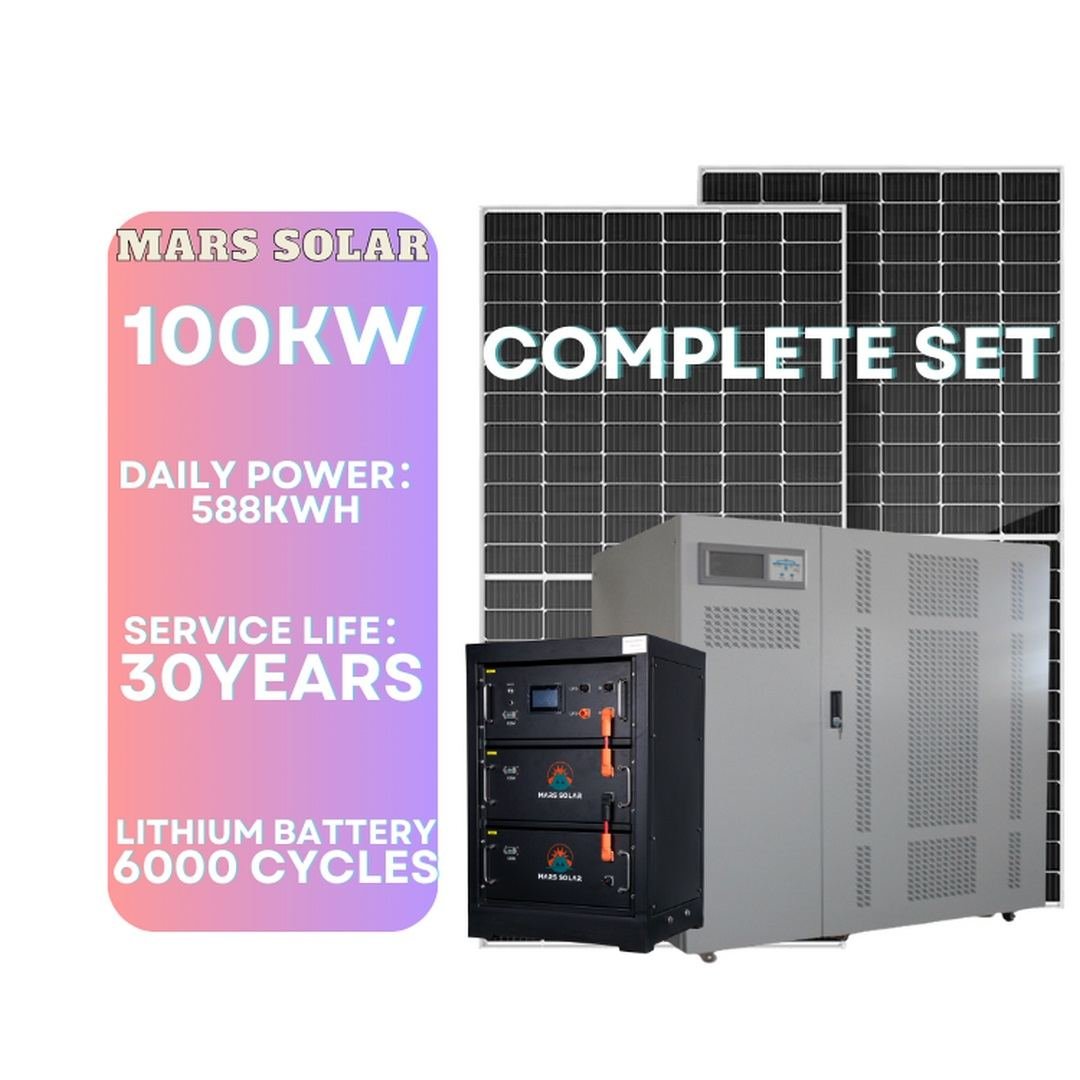
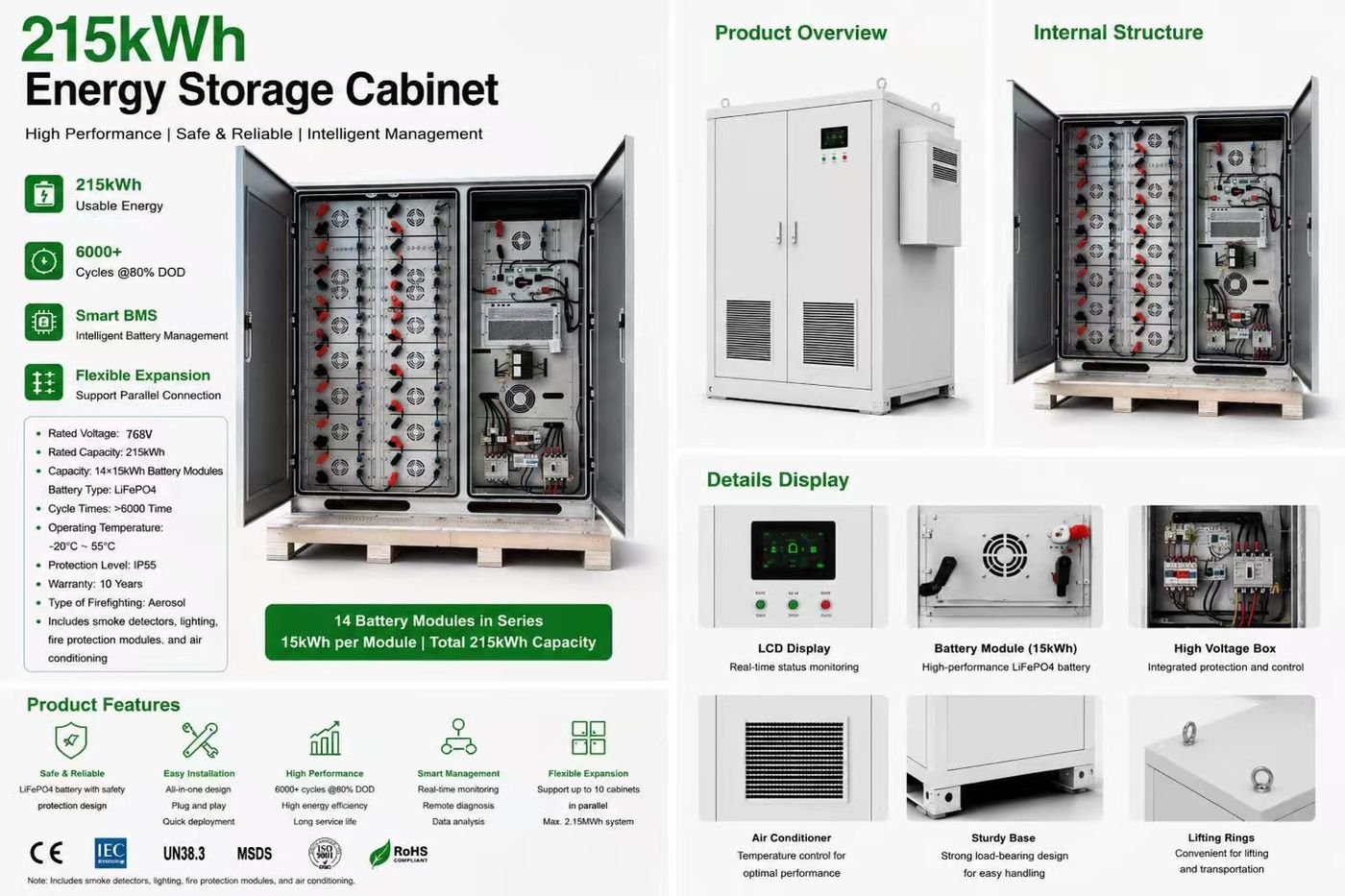
Budget from $0.28–0.48 per watt for tier-1 modules FOB. A complete 100kW solar system with a 215kWh BESS quotes CIF $88,000–115,000, and a 500kW solar system with 1MWh of storage lands at $390,000–480,000 CIF. Your figure depends on module class, inverter brand, mounting type and destination port, so we quote by configuration rather than by a flat price list. Storage is the single biggest swing factor: a BESS cabinet typically adds 35–50% to the total.
How long does a commercial solar system take to pay back?
Three to five years against grid power, and under 18 months when it replaces diesel generation. Across 300+ international projects we see 12–32 months: 18 months for our Curaçao supermarket and roughly 24 months for the 6MW plant in Nigeria. The higher your local tariff, the faster the payback — so we model it against your actual tariff or generator runtime before you commit.
Why do two quotes for the same size differ so much?
Because the kilowatt rating alone does not define a system. Module class (N-type TOPCon versus P-type PERC), inverter brand, mounting structure and cable specification all move the number, and storage typically adds 35–50% of total system cost. Compare the bill of materials, not the headline kilowatts — and ask for the module datasheet and the battery spec sheet, which is where the difference becomes visible.
Do you quote FOB or CIF, and what does shipping add?
Both. We quote FOB from our Foshan plant, or CIF to your port. Sea freight and clearing usually add 20–35% over FOB to West African or Southeast Asian ports. We are happy to quote both ways so you can compare us against a local supplier on landed cost, and every quote carries the certification dossier so clearing is not a separate surprise.
Is there a minimum order quantity?
One set. The MOQ is a single unit across the whole range, from 10kW residential kits to containerized BESS, and we accept OEM and ODM orders for distributors building their own brand. Sample orders are welcome if you are testing a market before committing to a container.
Certification & Warranty
Compliance is the second thing buyers ask about. These are the certificates we ship with and the warranty that backs them.
Which certificates do the panels and batteries carry?
Modules are certified to IEC 61215 with IEC 61701 salt-mist testing, LFP cells to IEC 62619 with UN38.3 for transport, and the factory runs ISO 9001 quality assurance with CE and RoHS documentation. Test reports ship with every order, and copies of the certificates are included in the shipping document set for your customs broker.
What are the warranty terms?
25-year linear power warranty on panels, 10 years on inverters, 5–10 years on LFP batteries rated for 6,000+ cycles at 80% depth of discharge, and 2 years on system integration. Batteries are warranted to 60–70% of original capacity at year 10. Remote monitoring of generation and alarms is included for the life of the system.
Which destination-market approvals do you prepare?
SONCAP for Nigeria, BPS for the Philippines (mandatory from July 2027), KEBS with PVoC for Kenya, GSA for Ghana, and SASO or DEWA documentation for Gulf shipments. We prepare the paperwork; the local importer of record files it. Tell us the destination port at quote stage and we will confirm which programme applies to your order.
Shipping, Lead Time & Payment
How the equipment actually reaches your site — timelines, packing and the payment schedule.
How long does a project take from first inquiry to commissioning?
Four to twelve weeks. Consultation and site assessment 1–3 days, engineering and manufacturing 1–6 weeks including a 72-hour continuous test for BESS, shipping 2–6 weeks, then 3–14 days on site for installation and commissioning. Larger containerized BESS projects sit at the longer end of that range.
How are systems packed and shipped?
Everything is container-loaded at our Foshan plant and leaves with factory test reports, packing lists and — for batteries — UN38.3 test reports and MSDS. Sea freight runs 20–35 days to West Africa or Southeast Asia depending on the port of discharge, and we send container loading photos with every shipment.
Can several products be combined in one container?
Yes. Panels, inverters, mounting structures and battery cabinets are commonly consolidated into a single container to spread freight cost, with batteries packed to UN38.3 requirements. Send us the mix and we will confirm the loading plan and weight limits — consolidation is usually the cheapest way to land a mixed order.
What payment terms do you offer?
30% deposit to start production and 70% before shipment. Repeat customers with three or more transactions, and orders above $300,000, can move to 50% before shipment and the final 20% after commissioning. Bank details are always confirmed on a signed proforma invoice.
Country Compliance: Nigeria, Philippines, Ghana, Kenya & the Gulf
Our main shipping lanes and what each one requires on the document side.
What does importing into Nigeria require?
SONCAP certification before shipment, plus a realistic baseline of what you pay today. Nigerian plants replacing diesel generation — typically $0.30–0.60 per kWh all-in — usually pay back in under 18 months, which is why we size most Nigerian systems against generator runtime first. We have shipped rice mills, factories and a 6MW + 20MWh plant into Nigeria.
What applies to shipments to the Philippines?
BPS product certification becomes mandatory from July 2027, so we supply the documentation now to avoid re-certification later. Island logistics matter as much as paperwork: we quote CIF to Manila or Cebu and engineer mounting to local typhoon wind loads.
What about Ghana and Kenya?
Ghana imports run under GSA conformity assessment, Kenya under KEBS with PVoC pre-export verification. Both are handled at the documentation stage, before container loading, so clearing does not stall at the port — these markets clear fastest when documents are filed before departure.
Can the equipment handle Gulf heat and coastal salt?
Yes. Modules carry IEC 61701 salt-mist certification, cabinets are specified with air cooling and IP-rated enclosures, and we derate inverter output for high ambient temperatures. SASO covers Saudi Arabia; DEWA approval applies to grid connection in Dubai. Coastal sites get salt-mist certified modules as standard.
Project Execution & After-Sales Support
Who installs the system, what happens in remote sites, and what support looks like after handover.
How do you ensure installation quality overseas?
Every international project is overseen by our senior engineers. For projects above 200kW, 2–4 Mars Solar engineers travel on site for installation, commissioning and grid synchronization. All crews are trained on our containerized BESS standards before departure, and we train your local team so routine maintenance stays in your hands.
Can you work in remote locations with poor grid access?
Yes. Our off-grid and hybrid solar-plus-storage systems are designed for unstable or absent grids, and we handle full system design, battery sizing and EMS configuration. Our Zimbabwe school and Nigeria rice mill projects run on weak grids or entirely off-grid, with battery autonomy sized from your night-time load rather than a rule of thumb.
What after-sales support is provided?
Remote monitoring through our web platform, on-call technical support, and spare parts shipped with the original order. Engineers can be dispatched for on-site service when needed. Warranty runs 25 years on panels, 10 on inverters and 5–10 on LFP batteries, and monitoring alarms reach our engineers before a fault costs you production time.
Do you provide financing?
We do not lend directly, but staged payment terms ease cash flow, and we supply the full technical dossier and payback model that most local banks require for an energy or equipment loan. Several clients have funded projects that way, usually with the payback model attached to the application.