International solar buyers lose money to the same three frauds every year: photoshopped certificates, trading companies posing as factories, and capacity claims inflated ten-fold. The defense is unglamorous but effective — a structured audit, most of which you can complete from a desk in three to five days.
Solar Factory Audit Step 1: Verify the Legal Entity
Ask for the business license and check the company name matches — character for character — the contract and the bank account. Look at the registration date (a "17-year-old manufacturer" registered in 2022 is a story), the registered capital (thin capital suggests a trader, not a factory), and the business scope (it must include PV module or system manufacturing). Every Chinese company has a Unified Social Credit Code you can verify on the public credit system at gsxt.gov.cn. A legitimate factory sends the license within 24 hours; "confidentiality" refusals are a walk-away signal. A solar factory audit that skips this step is not worth the paper it is written on.
Step 2: Interrogate the Capacity Claim
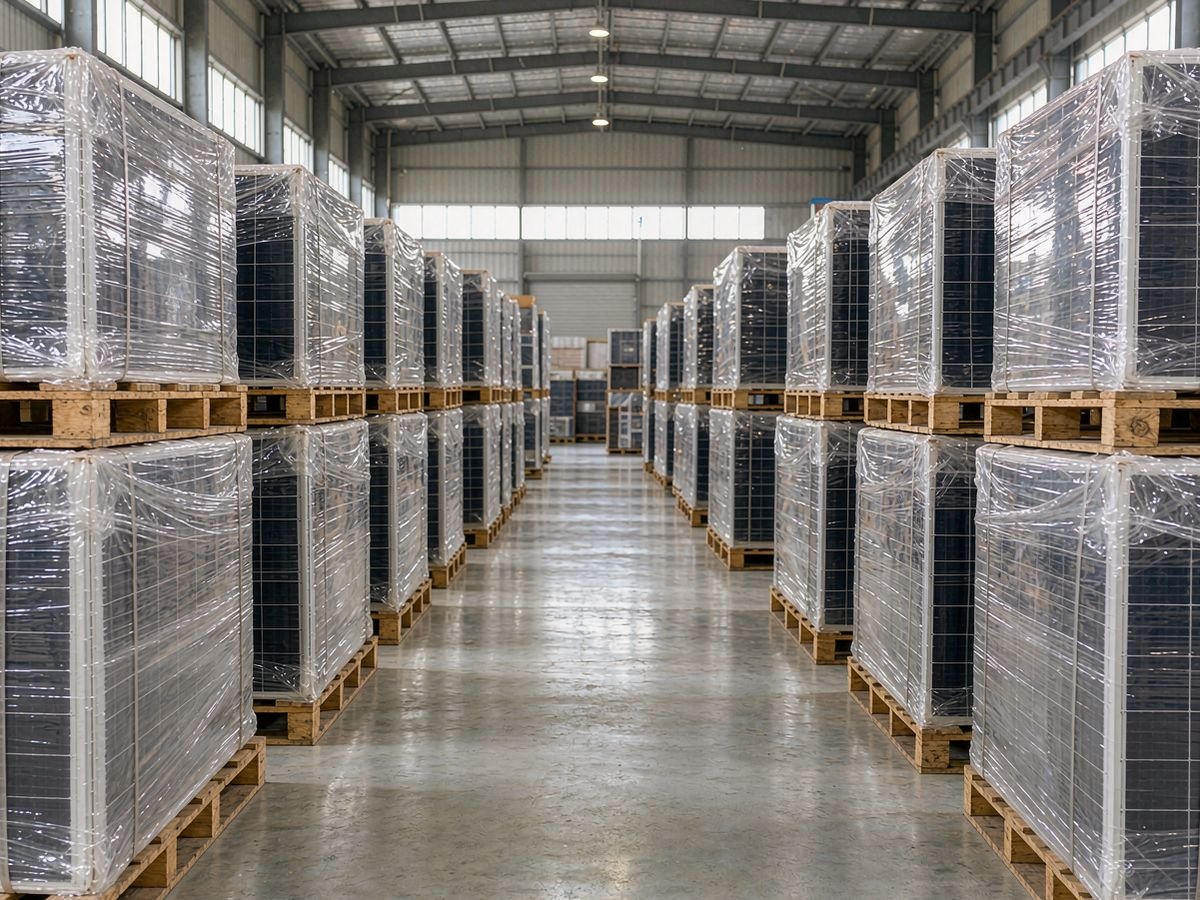
Capacity is the most inflated number in the industry. Cross-check it three ways: ask for line counts and equipment lists and see whether the arithmetic plausibly supports the claim; request three to six months of production records, shipment manifests or even electricity bills; and benchmark against independent tier lists. Then apply the floor-area test — serious module capacity needs serious square meters per gigawatt. A claimed huge output offered from a small building is arithmetic, not opinion: it does not add up.
Step 3: Verify Certificates Where They Live
Never accept a certificate PDF at face value — verify it in the issuing body's own database: UL Product iQ for UL listings, TÜV Certipedia for TÜV marks, the IECEE CB scheme for IEC certificates, IAF CertSearch for ISO. Check that holder name, product model, wattage and factory address all match your actual order. A certificate number that returns no result is a fake, full stop.
Step 4: Call the References
Ask for three to five buyers in your region who purchased within the last twelve months, then actually contact them — ideally by phone. Real references describe specific problems and how they were resolved; scripted praise from an email domain that matches the supplier's is a red flag. Shipment evidence (container numbers, B/L dates, models, quantities) separates genuine references from theatre.
Step 5: Walk the Floor — or Send Someone
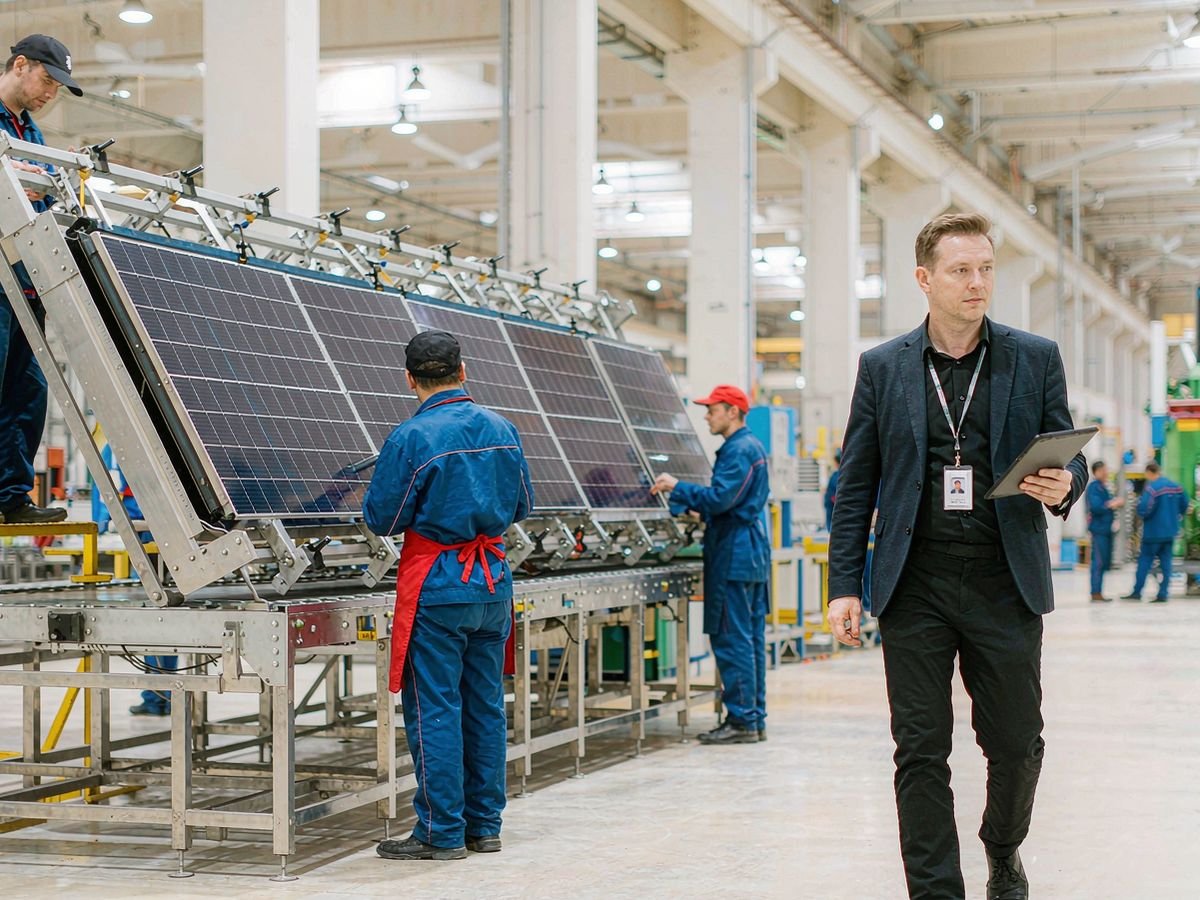
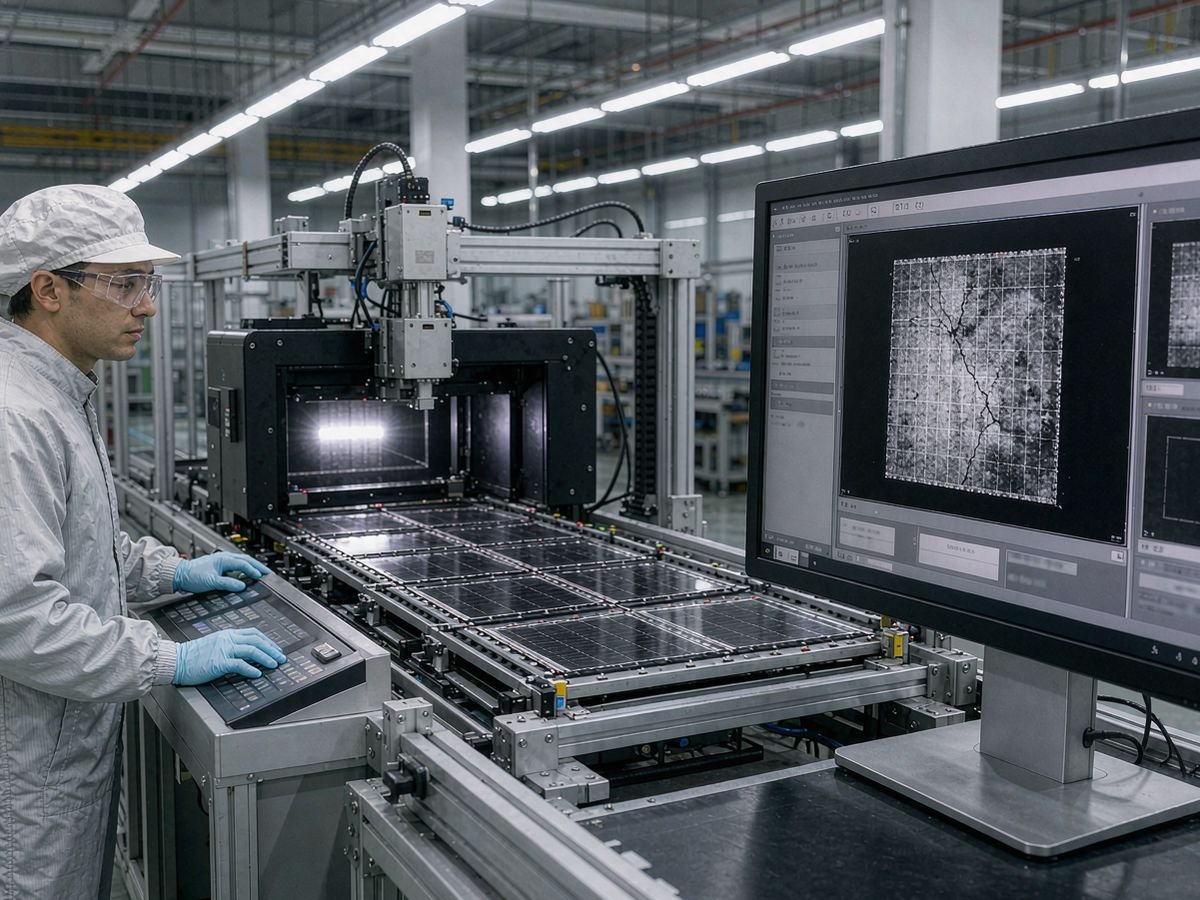
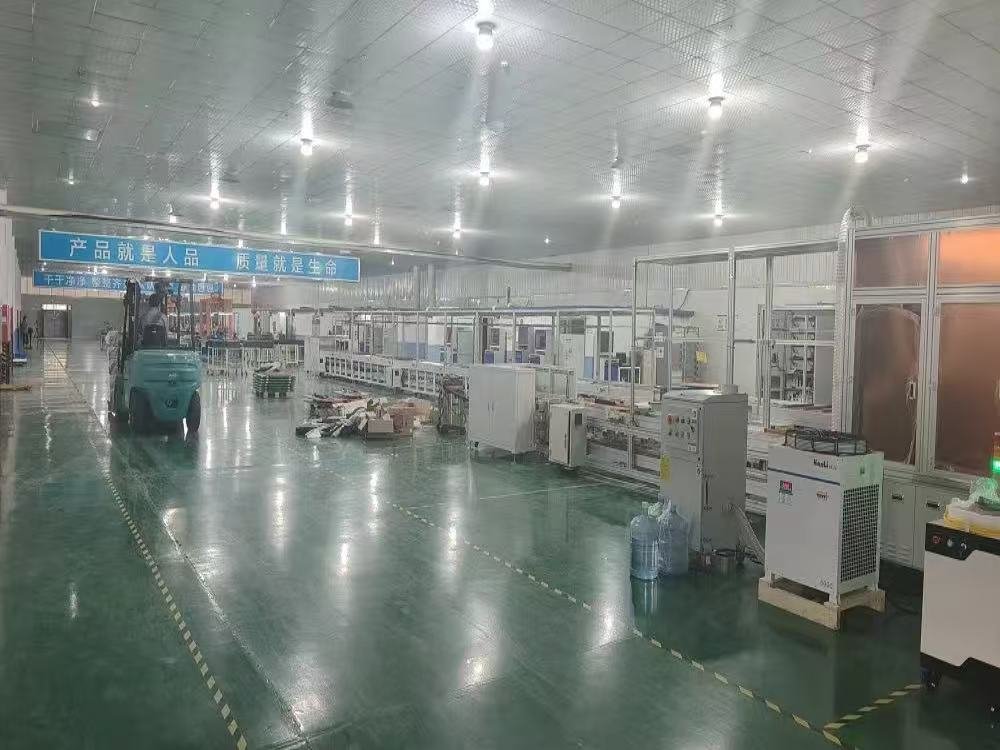
On site, look for lines actually running, real inventory of cells, glass, EVA and frames, and a working QC lab with at minimum a flash tester, EL imaging, insulation tester and mechanical load rig. Count heads: engineering, R&D and export teams crowded into one three-person room usually means trading company. Cannot travel? SGS, Bureau Veritas, TÜV or QIMA will audit for roughly $300–500 per man-day — trivially cheap against any five-figure order.
Step 6: Test Samples Independently
Order two or three panels of the exact model you intend to bulk-buy and send them to an independent lab — TÜV or a national metrology institute. For $1,000–3,000 you get flash testing against datasheet power, EL imaging for microcracks, insulation and mechanical-load tests. Require measurement within ±3% of rated power. Factory-internal test reports are marketing; independent reports are evidence.
Step 7: Follow the Money
The beneficiary name on the bank account must match the business license exactly, the bank should sit in the factory's city, and the account should be corporate — never a personal account in a third country. A D&B report ($50–200) and customs export data (Panjiva, ImportGenius) close the loop: a supplier claiming $50 million of exports with $3 million in customs records is telling you which number is real.
Five Red Flags That End the Conversation
- Quotation 20%+ below every competitor — B-grade cells, obsolete lines, or fraud.
- Refusal to provide license, certificates or samples.
- "Factory test reports" in place of third-party certifications.
- Pressure for 100% prepayment, by wire, to a personal account or another country.
- Visits restricted to specific days, no-photos rules, or a tour building that is not the production site.
We hold ourselves to the same standard every solar factory audit demands: Foshan Mars Solar Technology Co., Ltd., registered 2008, license and 19,847 m² Foshan production facility open to visits any working day, IEC/CE/ISO certificates verifiable in issuing-body databases, sample panels shipped at cost for independent testing, corporate accounts only, and references from 3,000+ projects across 135+ countries available on request. Start with a free quotation and the full documentation pack.