
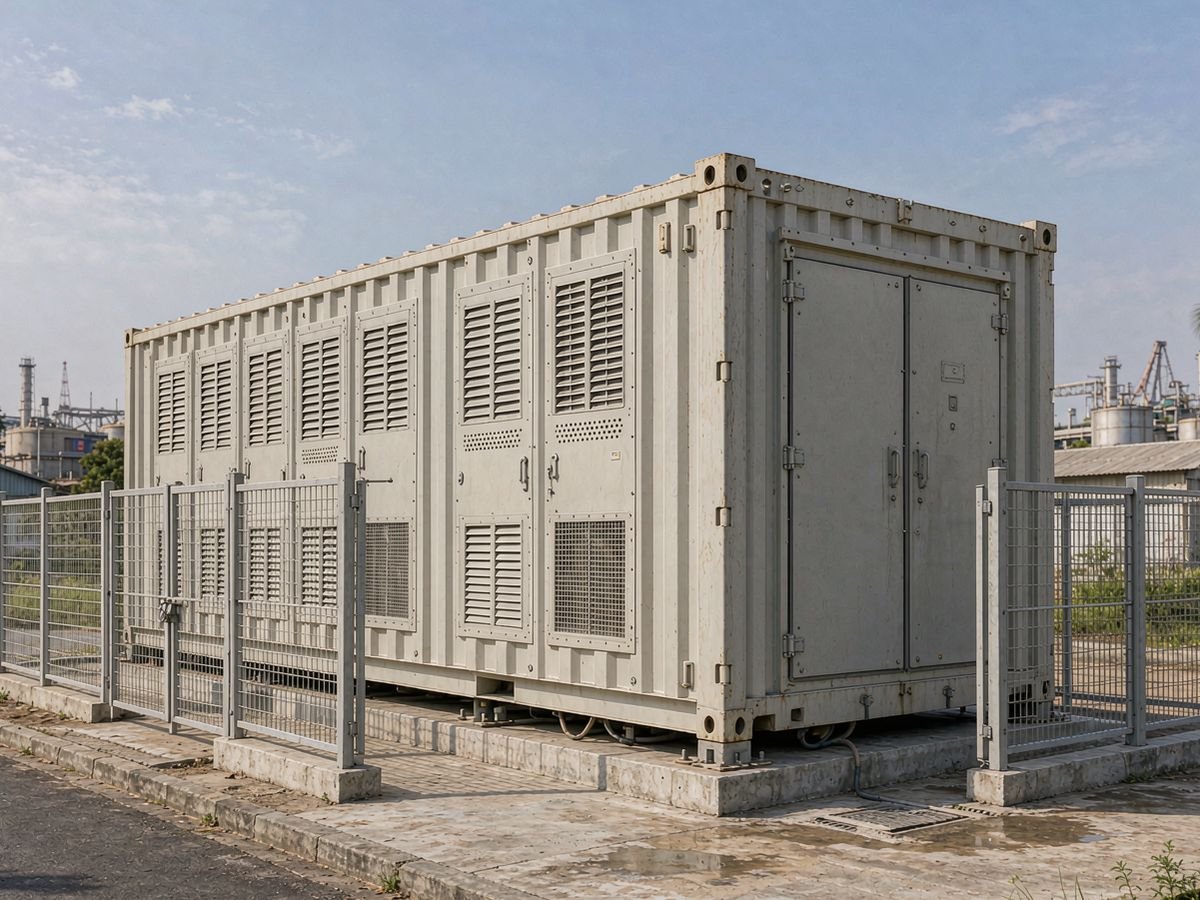
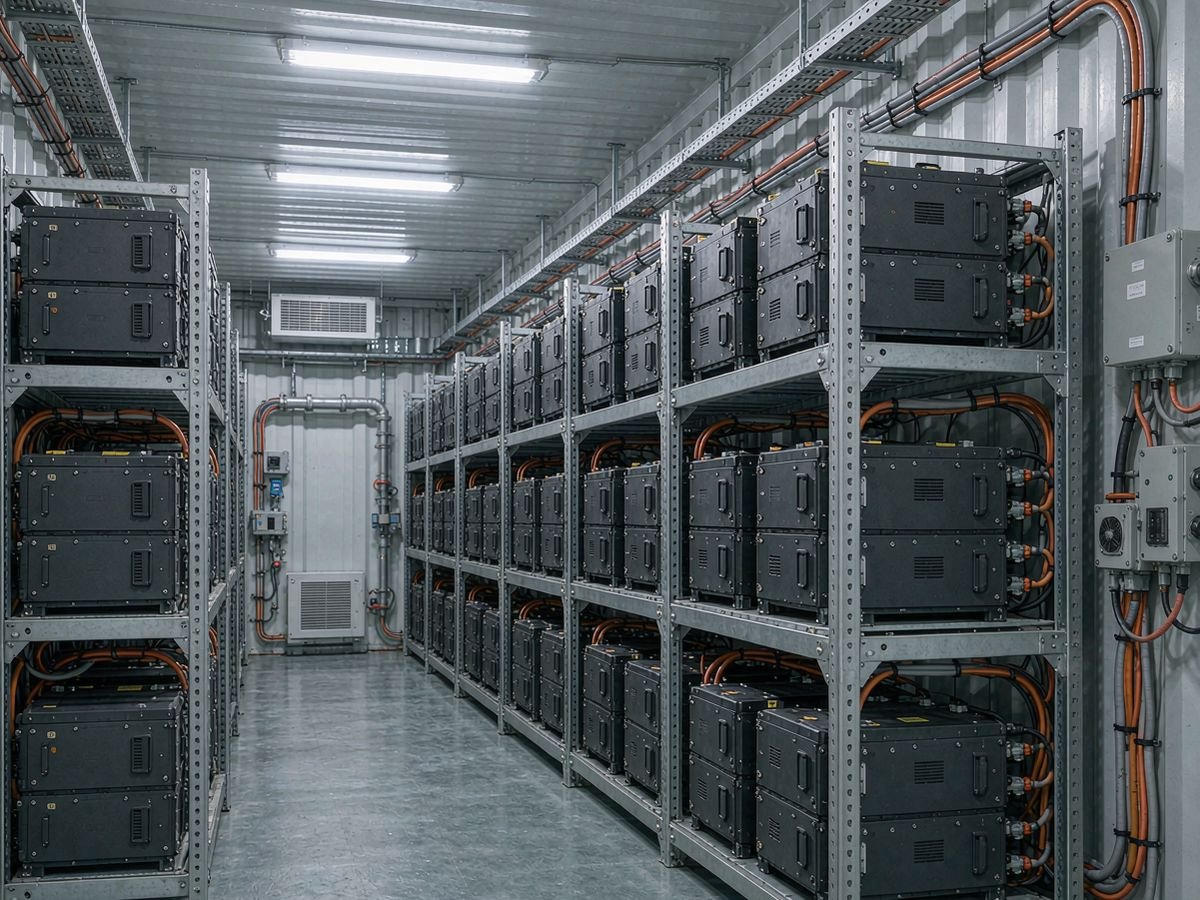
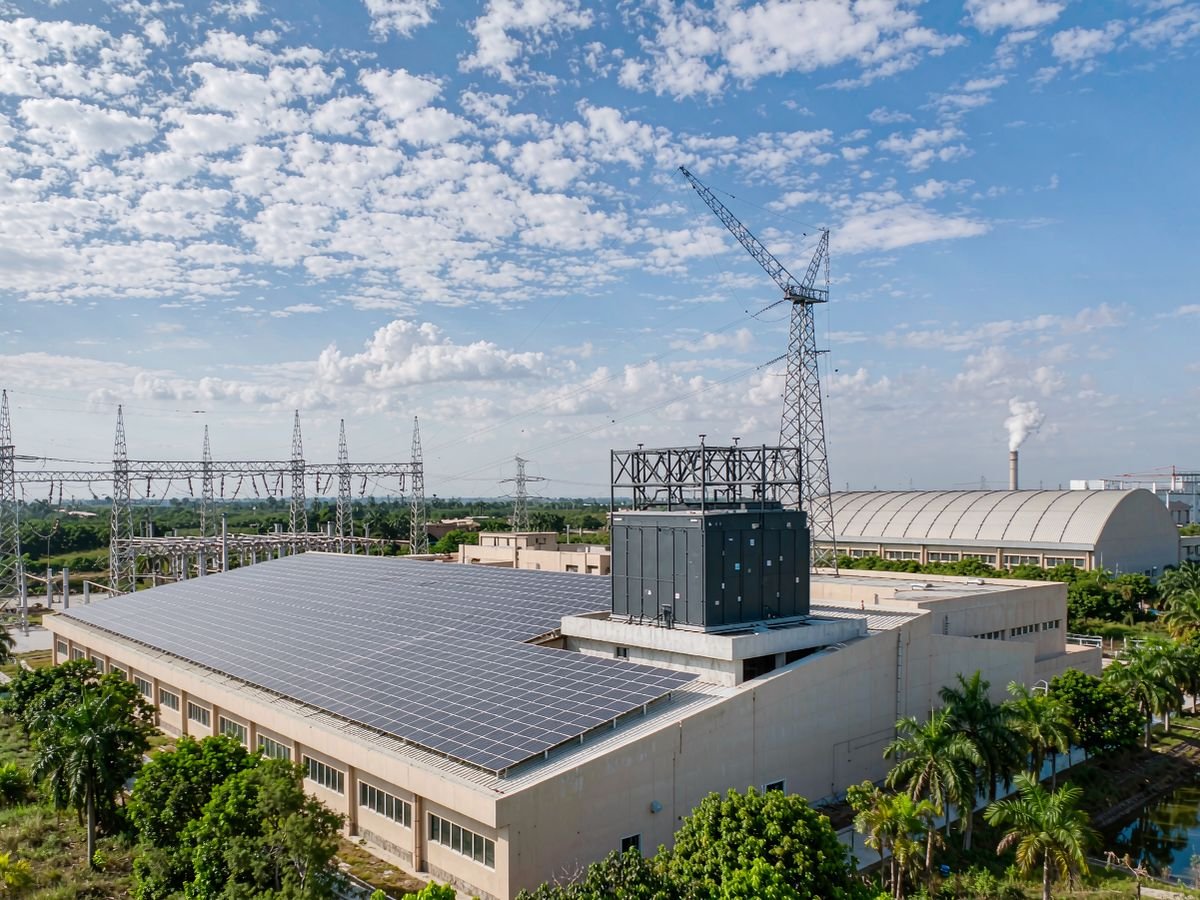
Quick answer: BESS cost in Nigeria now starts at $95–120/kWh FOB for factory-direct LFP storage, and a hybrid system replacing diesel pays back in 10–16 months. At 100kWh scale that lands at $90,000–115,000 CIF Lagos, before duty (5–7%) and VAT (7.5%). The pricing table, payback math and import steps below show what to budget from 50kWh to 2MWh.
Battery energy storage has become the fastest way for Nigerian businesses to escape diesel economics. Factory-direct LFP cabinets now price at $95–120/kWh (100kWh scale, FOB China) — and against diesel generation at ₦350–450/kWh, a hybrid BESS pays back in 10–16 months.
BESS Cost in Nigeria 2026: CIF Lagos / Onne Pricing
Indicative factory-direct pricing at ₦1,500/USD. Includes 72-hour burn-in test, BMS calibration and pre-shipment grid-synchronization test. Excludes import duty (5–7%), VAT (7.5%) and local installation.
| Capacity | Architecture | Best For | CIF Lagos (USD) |
|---|---|---|---|
| 50kWh | Rack, indoor | Small offices, clinics, retail | $47,500 – $60,000 |
| 100kWh | Rack, indoor | Offices, 20-room hotels, telecom | $90,000 – $115,000 |
| 200kWh | Rack/cabinet | Hotels, small factories, banks | $170,000 – $220,000 |
| 500kWh | 20-ft container | Large hotels, hospitals, industry | $380,000 – $480,000 |
| 1MWh | 20/40-ft container | Factories, microgrids, cold chain | $700,000 – $900,000 |
| 2MWh | 40-ft container | Industrial parks, complexes | $1.3M – $1.7M |
Sizing: How Many kW of Power and How Many kWh of Capacity?
Power (kW) and capacity (kWh) answer different questions. kW is the instantaneous load the system can carry — motor start-up surges, compressors, air-conditioning. kWh is how long it can carry that load. A peak-shaving site needs high power for short bursts and modest storage; a backup-dominant site needs fewer kilowatts but many hours of storage, so its kWh-per-kW ratio is much higher.
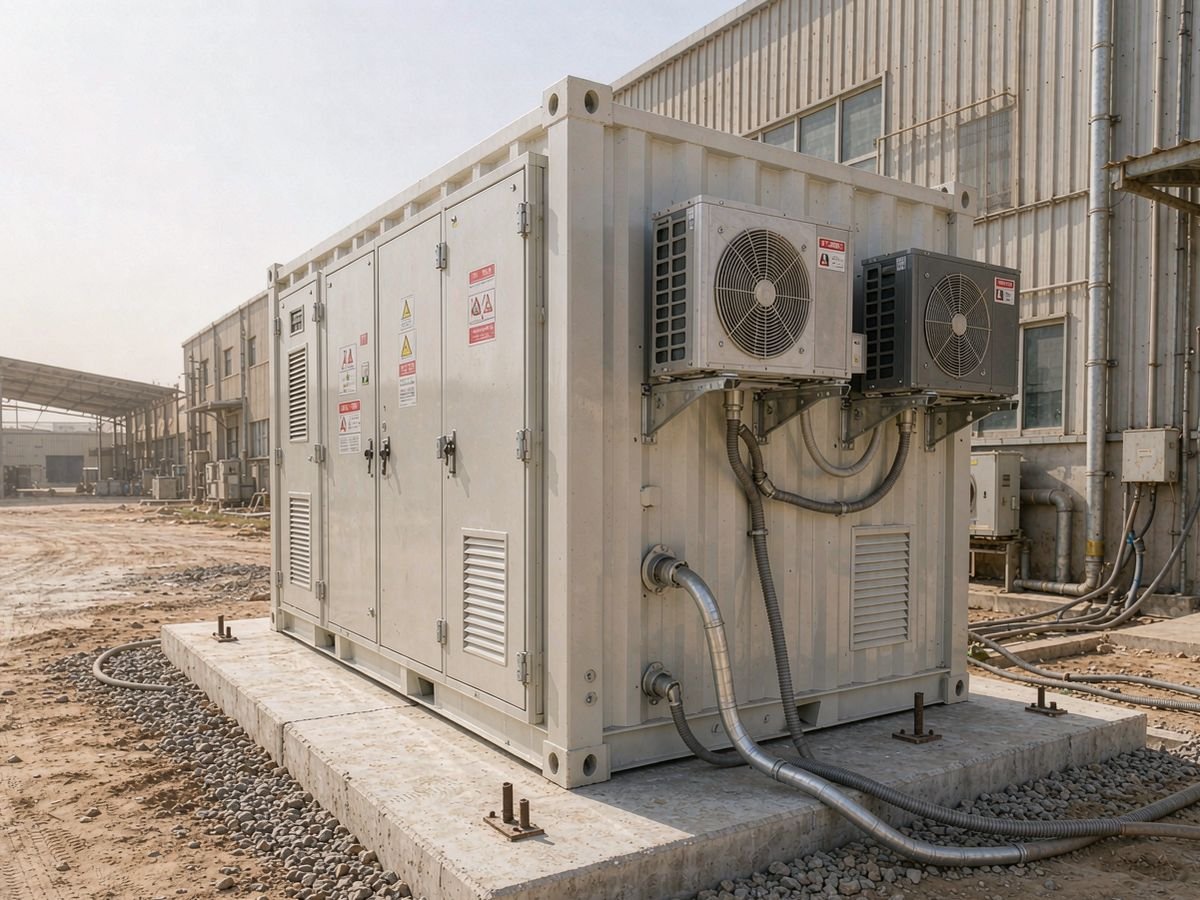
The payback table below shows the ratio in practice: a 100kW site running 14 hours a day pairs with a 200kWh BESS — two hours of storage at full load, enough to absorb the solar surplus and cover generator-off periods. Size capacity from your metered daily kWh consumption, and power from the largest simultaneous demand. Undersize either and the generator kicks back on — during start-up surges if the kW is short, or before sunset if the kWh runs out first.
The Diesel Payback Math (100kW Site, 14h/Day)
| 5-Year Cost Item | Diesel Generator | Solar + 200kWh BESS |
|---|---|---|
| Equipment + installation | ₦20M – ₦35M | ₦110M – ₦160M |
| Fuel (5 years) | ₦588M – ₦735M | ₦120M – ₦180M |
| Maintenance + spares | ₦25M – ₦40M | ₦8M – ₦15M |
| Downtime losses | ₦30M – ₦80M | ₦3M – ₦8M |
| 5-year TCO | ₦663M – ₦890M | ₦241M – ₦363M |
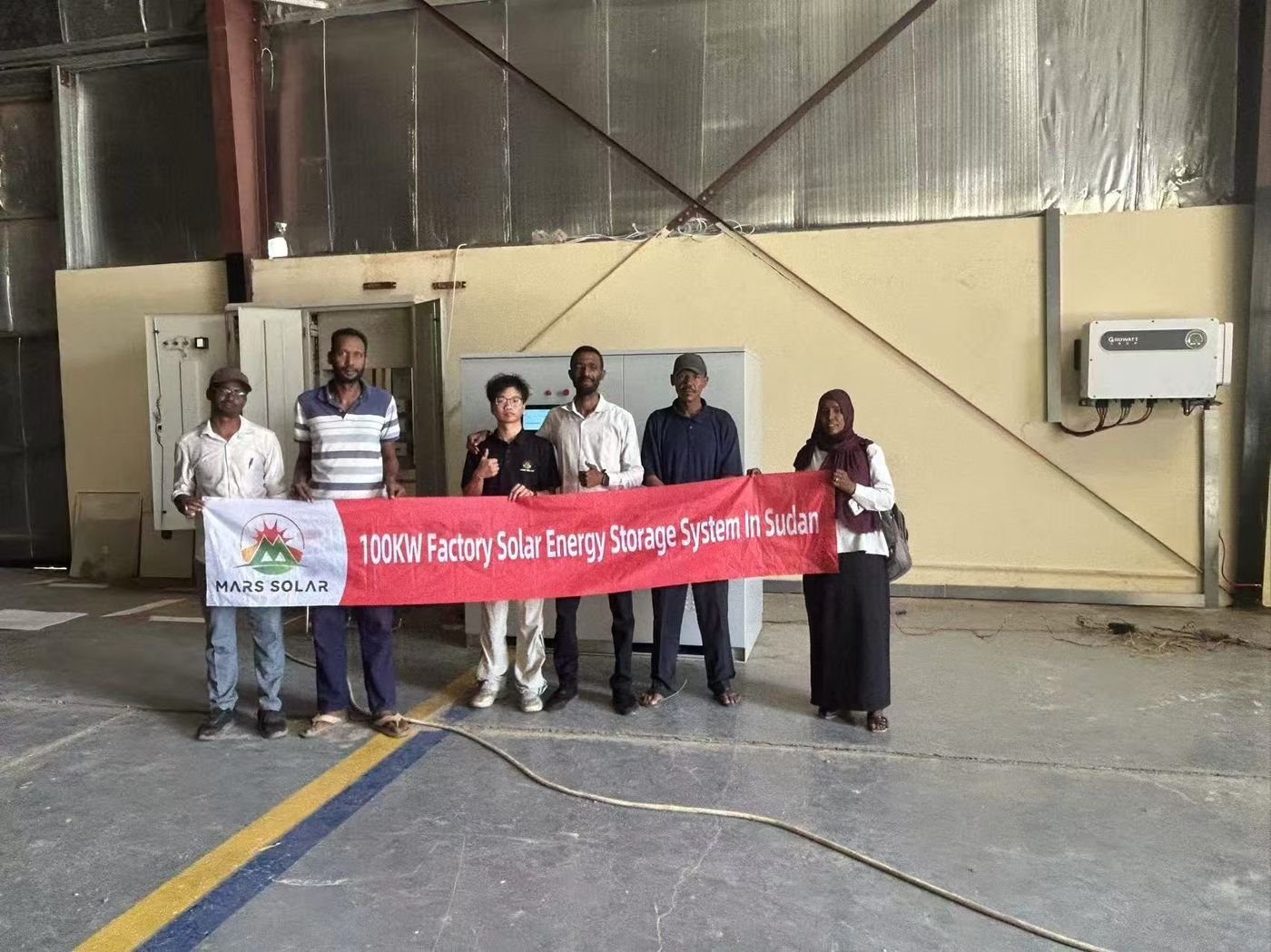
Five-year saving: ₦422M–₦527M. Over 25 years the gap widens to ₦2.9–3.9 billion. See the numbers in production at our Sudan 100kW + 215kWh project — commissioned 7 days after arrival, diesel use down 70%. That gap is what makes the BESS cost in Nigeria worth the upfront outlay. For the fuel-only comparison, read our diesel vs solar cost breakdown for Nigeria (2026).
Lifetime Cost per kWh: Cycles, DoD and Warranty Math
The sticker price is only half the calculation. The real unit of comparison is cost per kWh delivered over the battery's life. LFP chemistry rated at 6,000+ cycles at 80% depth of discharge yields roughly 4,800 equivalent full-cycle kWh per kWh installed — which is why an NMC pack with only 3,000–4,000 cycles can look cheaper per kWh FOB yet cost more per kWh actually used. Across 16+ years of daily cycling, that arithmetic dominates the purchase decision.
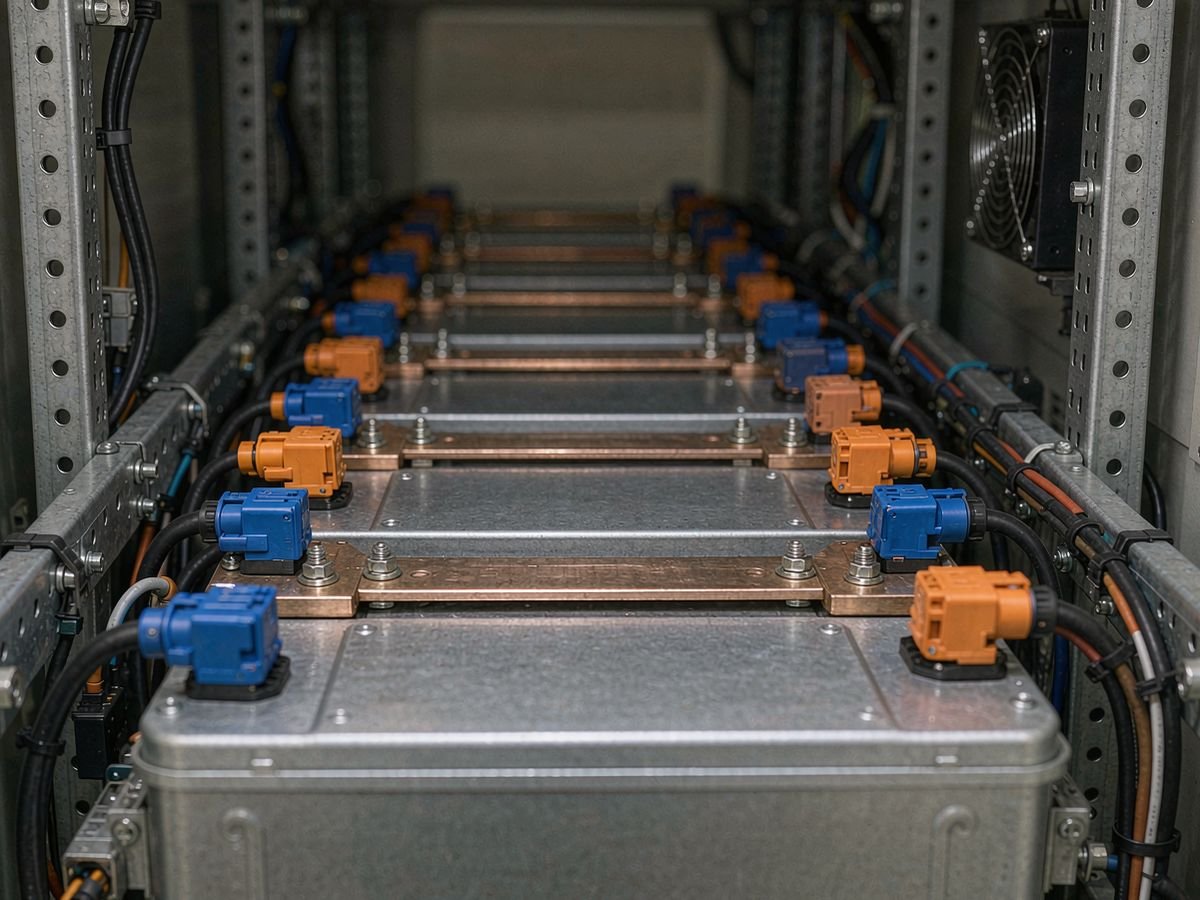
When comparing quotes, put four items on the table: cycle life at the warranted DoD, whether the warranty counts years or throughput, BMS and inverter compatibility, and the price of a mid-life module replacement. A cheaper quote backed by a shorter cycle warranty usually loses on this metric well before year five.
Importing from China: the 6-Step Process
- 1. Positioning — OEM (fastest), ODM (60–90 days for a custom first batch), or brand distribution.
- 2. Certifications before shipping — UN38.3, IEC 62619, IEC 62040-1, CE, and SONCAP (mandatory for Nigerian customs clearance).
- 3. Shipping terms — CIF recommended for first-time importers: we handle freight and insurance to Lagos/Onne.
- 4. Customs clearance — duty 5–7% + VAT 7.5%; Lagos clearing agent runs ₦500,000–₦1,500,000 per container.
- 5. Last-mile logistics — budget ₦1.5M–₦4M from port to site (flatbed, crane, concrete pad for containers).
- 6. Distributor margins — typical markup 25–45% over CIF covers installation, after-sales and warranty reserve; the end customer still saves ₦300M+ over 5 years vs diesel.
Where Import Shipments Actually Lose Time and Money
Three points in the chain cause most overruns. HS classification: batteries filed under the wrong heading can trigger re-assessment at Lagos port — days of delay plus duty disputes, which is why the correct code should be fixed in the SONCAP dossier before the container sails. SONCAP conformity: if the certificate is missing or inconsistent with the packing list, clearance stops entirely. Port demurrage and last-mile: every idle day at port compounds storage charges, and the final leg carries its own ₦1.5M–₦4M budget from port to site. Before wiring any deposit, run the 7-step factory audit and align MOQ, lead time and payment terms.
Deployment Timeline
Rack systems (50–500kWh): 6–10 weeks contract-to-commissioning. Containers (500kWh+): 8–14 weeks. Manufacturing and factory testing take 2–4 weeks, sea freight 3–5 weeks, clearance and delivery 1–3 weeks.