
Ask a Nigerian business owner about electricity and the conversation quickly turns to outages — typically 8 to 12 grid interruptions per day at commercial sites — and to diesel, which now sells at ₦1,200–1,500 per litre and keeps climbing. A 30-room hotel easily burns ₦3–5 million on fuel monthly; mid-size factories spend more.
Solar solves both problems, but only if you pick the right architecture. Buying a cheap grid-tied array in a district with unstable supply fixes your tariff bill and leaves your outage problem untouched. Here is how the three configurations differ in practice.
Off-Grid vs Hybrid vs On-Grid Solar: the Three Architectures at a Glance
| Feature | On-Grid | Hybrid | Off-Grid |
|---|---|---|---|
| Grid connection required | Always | Optional backup | None |
| Battery storage | No | Yes (LFP) | Yes (larger bank) |
| Runs during outages | No | Yes, seamlessly | Yes |
| Diesel generator backup | Not possible | Automatic, optional | Automatic, optional |
| Relative upfront cost | Lowest | Medium | Highest |
| Field-proven payback in Nigeria | Fastest on paper | 8–18 months | 1.5–3 years vs diesel |
On-Grid: A Bill-Cutting Tool, Not a Reliability Tool
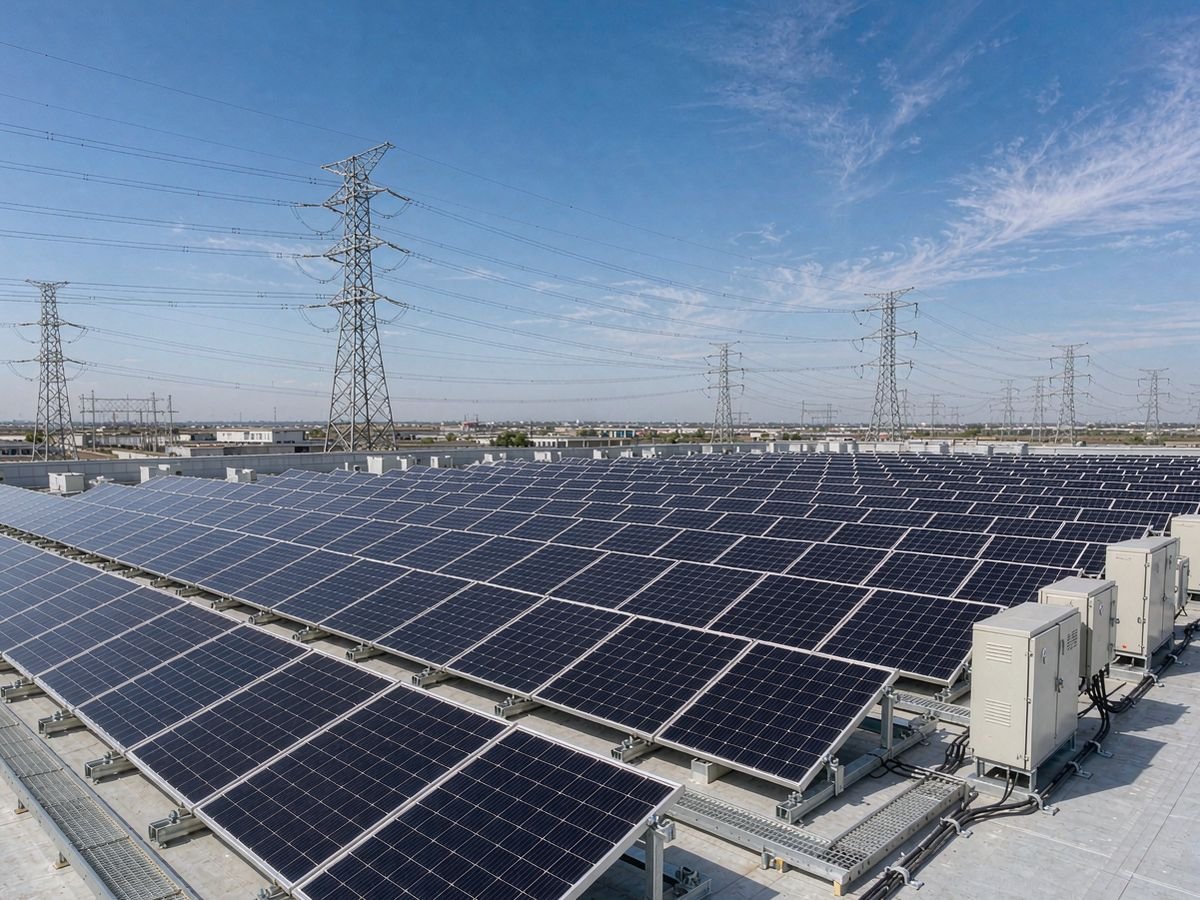
A grid-tied system is the simplest build: panels feed the load by day, the grid covers everything else. There is no battery, so cost per watt is the lowest of the three. But grid-tied inverters are required to shut down when the utility fails — meaning when the grid goes down, your building goes down with it, solar panels included. In a district with a stable network and rare, brief interruptions, on-grid is a legitimate choice purely for tariff reduction. In most of Nigeria it simply answers the wrong question.
Hybrid: The Default Answer for Most Nigerian Businesses
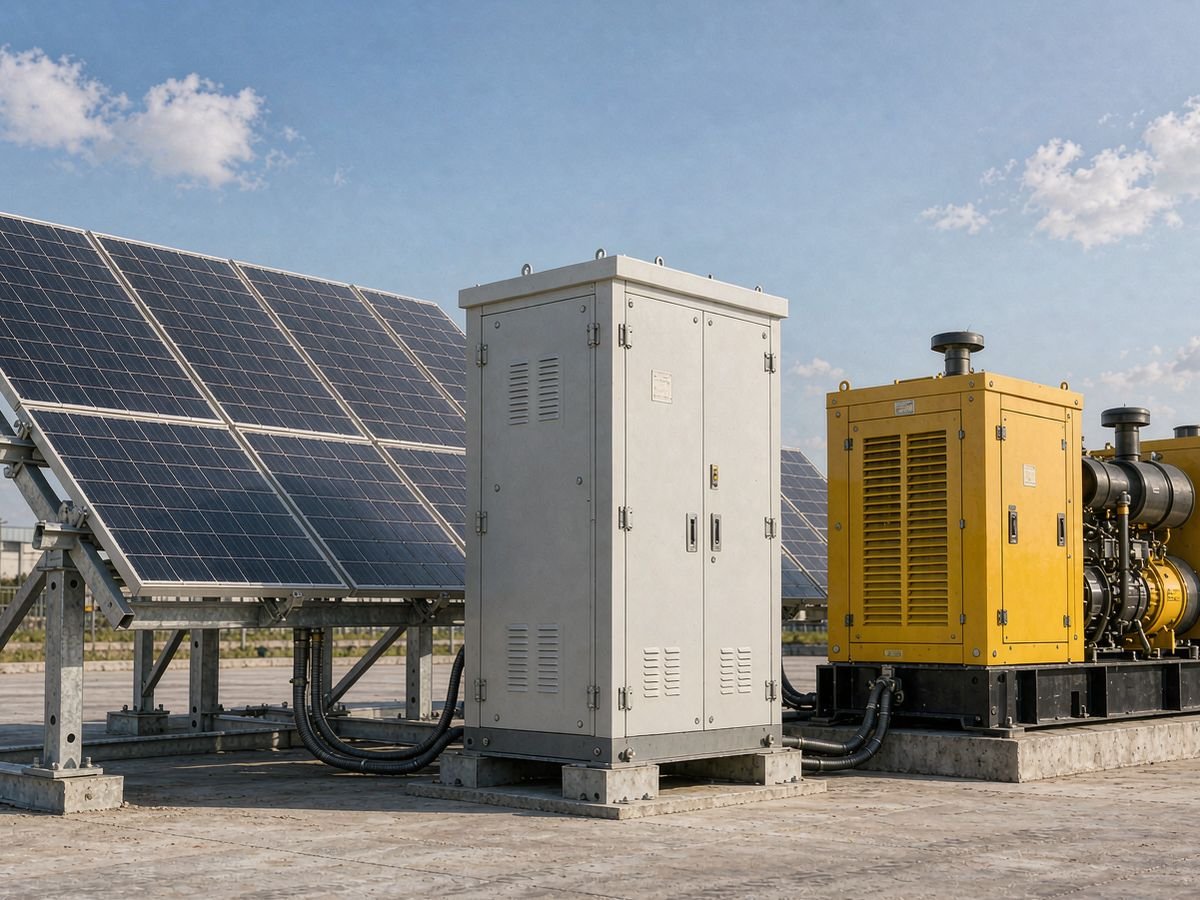
A hybrid build combines panels, a hybrid inverter, LFP battery storage and the grid as a standby source. The inverter orchestrates sources automatically: solar carries the daytime load and charges the batteries, batteries shoulder the evening, and the grid — or an auto-start generator — only steps in when needed. Well-designed hybrids cut diesel consumption by 80–95% rather than eliminating it, which is exactly what most balance sheets want. That is why off-grid vs hybrid vs on-grid solar debates usually end with hybrid for Nigerian businesses.
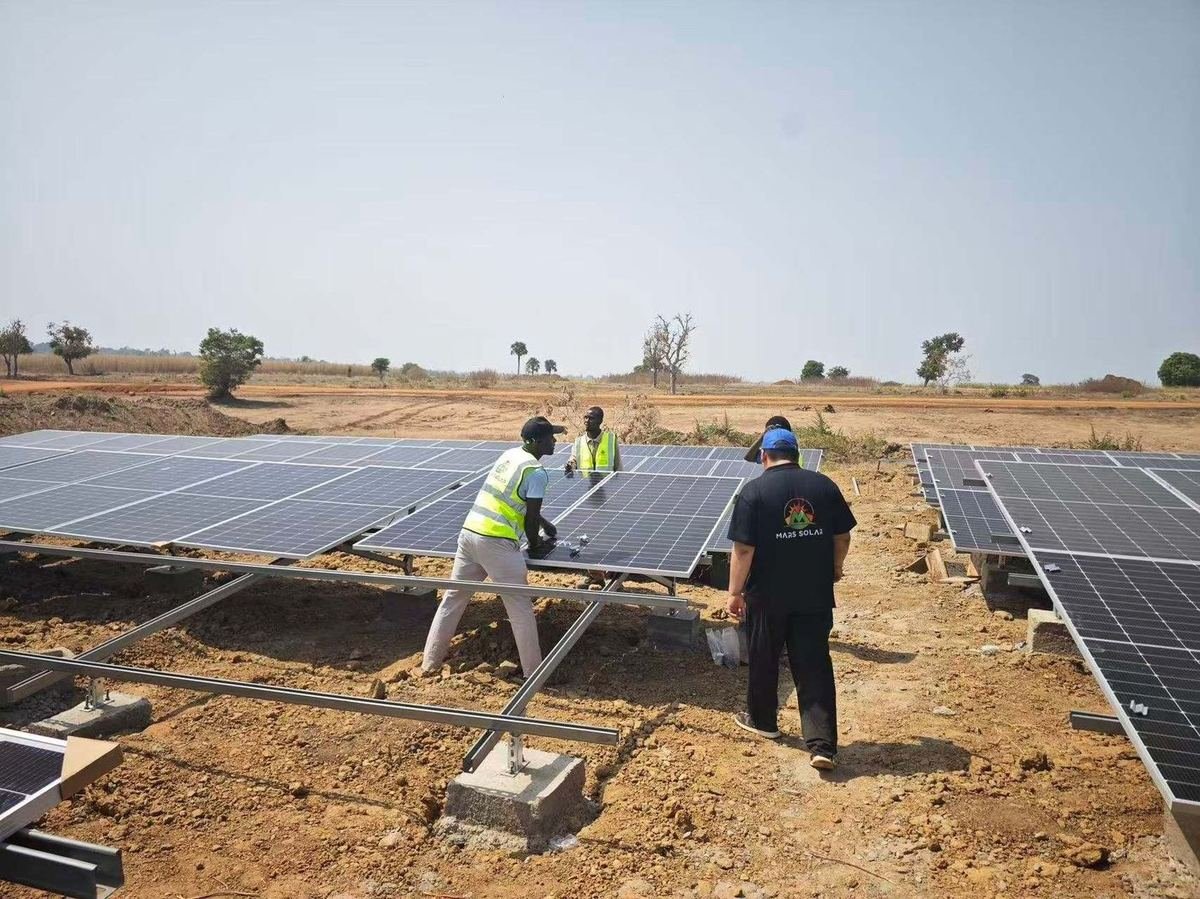
Field data backs this up. A 30-room hotel running a 100kW hybrid system has passed 12 months with zero outages and zero equipment failures, banking roughly ₦2,000,000 per month in avoided fuel — an 8–12 month payback. A 250kW hotel installation in Ghana cut electricity costs by 60% in its first quarter. Hotels, hospitals, cold chains, supermarkets, banks and any factory that cannot tolerate an unplanned stop belong in this column.
Off-Grid: Total Independence at a Higher Entry Price
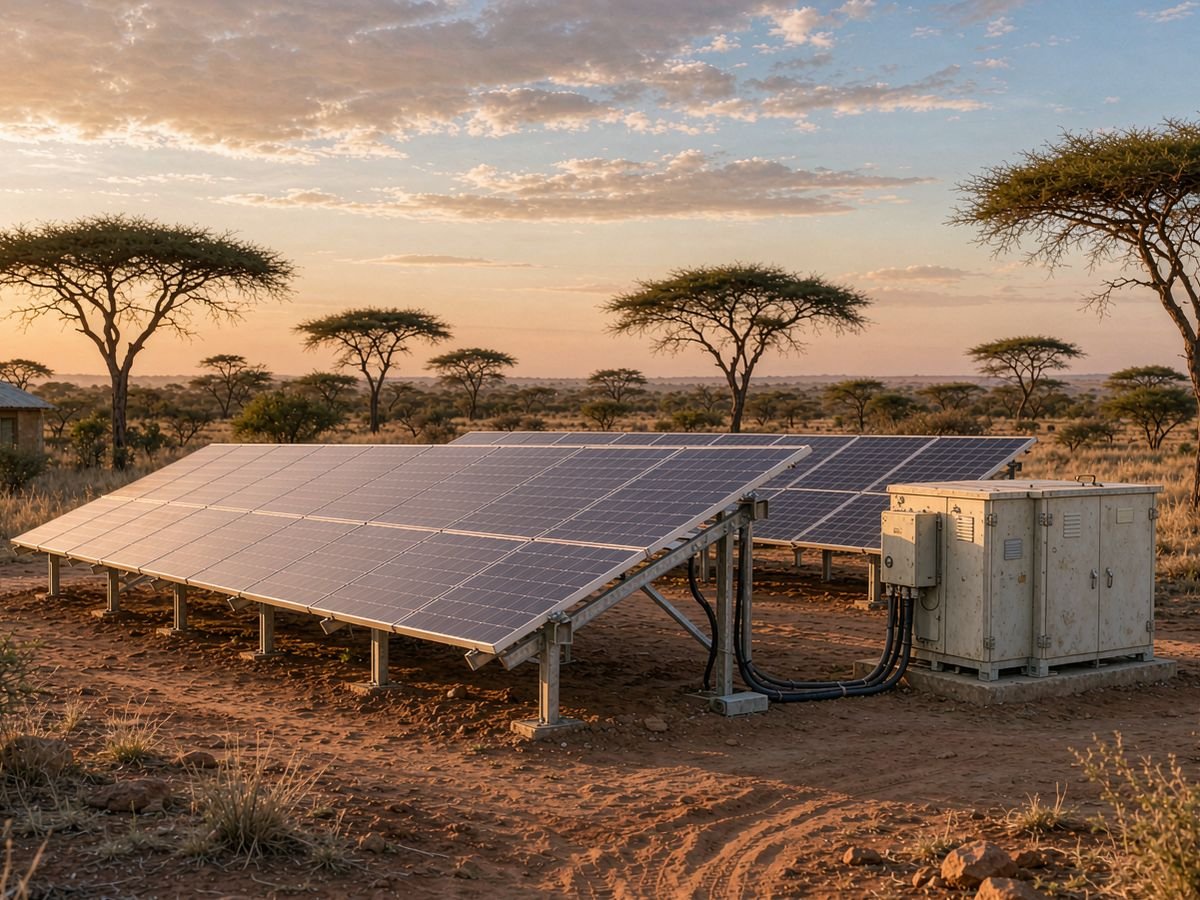
Off-grid means the solar plant is the only power source. Because batteries must carry the full overnight load rather than top it up, the battery bank — and the bill — grows accordingly; off-grid typically runs 20–40% more expensive than an equivalent hybrid. Where there is no usable grid at all, that premium buys genuine independence: our 100kW + 215kWh Sudan microgrid was commissioned in seven days, and the 200kW + 430kWh rice mill project in Abuja now runs its milling lines around the clock without a utility connection. In the off-grid vs hybrid vs on-grid solar choice, off-grid is the premium option reserved for sites with no grid at all.
A Five-Question Decision Framework
- How many outages per day? Zero to two brief ones: on-grid is defensible. Three or more: hybrid. Effectively no grid: off-grid.
- What was your longest single outage in the past year? Under an hour, on-grid or hybrid; several hours, hybrid sized to that duration; more than a day, hybrid plus generator — or full off-grid.
- What does one hour of downtime cost you? This is the real question. Hotels, clinics and cold storage should never share an architecture that collapses with the grid.
- What did you spend on diesel last quarter? Those receipts are your savings baseline and your payback calculator.
- Will loads grow? Hybrids scale gracefully; a stripped-down grid-tied build usually does not.
Three Mistakes We See Repeatedly
Undersized batteries. Size the bank against the evening load curve, not the daytime average — the former is almost always underestimated. Shopping on price per watt. The cheapest quote normally means a thin battery, no engineering support and no spares; what matters is 25-year performance, not the invoice. Buying on-grid to save money, twice. Businesses that buy grid-tied in an unstable district usually end up buying a second system — the expensive way to arrive at hybrid.
Not sure which column you fall into? Send us your fuel receipts and a rough load list — our engineers return a sized architecture with payback math within 24 hours.