
Start with the arbitrage: Philippine households pay ₱11–14 per kWh and commercial users ₱15–18 — among the highest rates on earth — while a financed solar system generates at roughly ₱3–4 per kWh across 25 years. That gap, widening 5–8% annually, is why a 2.5 GW installed base is projected to add another 800 MW to 1 GW in 2026, growing 30–40% a year. English-speaking market, supportive policy, and less saturation than Europe or the US: the Philippines rewards importers who arrive prepared.
Philippines Solar Import Business: Who Buys and What They Want
Residential (about 60% of installations by volume). Families with Meralco, VECO or DLPC bills above ₱10,000/month. They buy installed price, payback (4–6 years acceptable), warranty depth, and whether the installer handles net-metering paperwork. A Philippines solar import business lives or dies on knowing these three buyer segments.
Commercial & industrial (about 30% by capacity). Factories, malls and hotels from 50–100 kW up to multi-megawatt plants. Decisions run through ROI committees: levelized cost, demand-charge management, and financing options dominate.
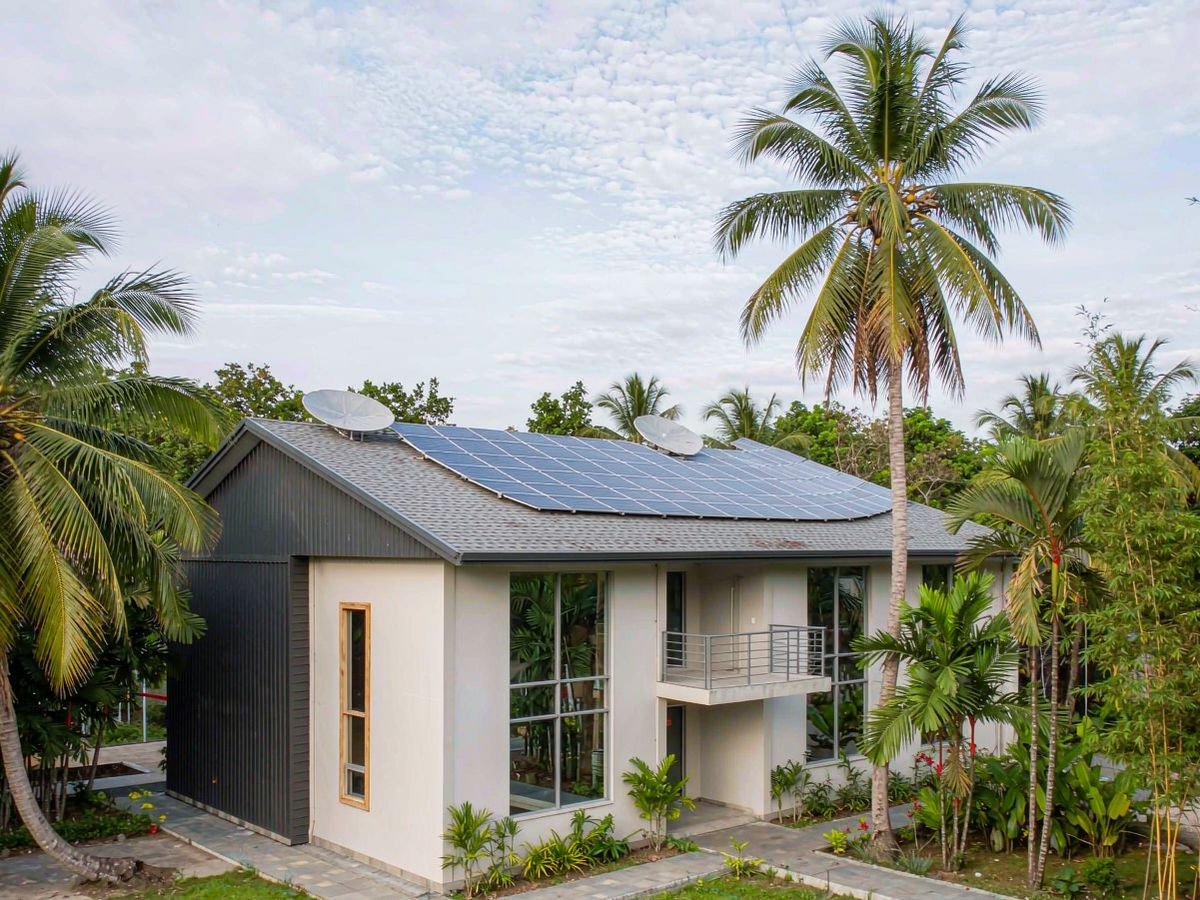
Off-grid and islands (about 10%). Resorts, island communities, mining sites from 1 kW to 200 kW. Here the priorities flip to reliability, one-to-three-day battery autonomy, generator integration and remote monitoring. Our 60kW + 120kWh Palawan resort project is exactly this segment — an 83% electricity-bill reduction for a resort that needed typhoon-proof reliability.
Distribution: Two Channels That Work
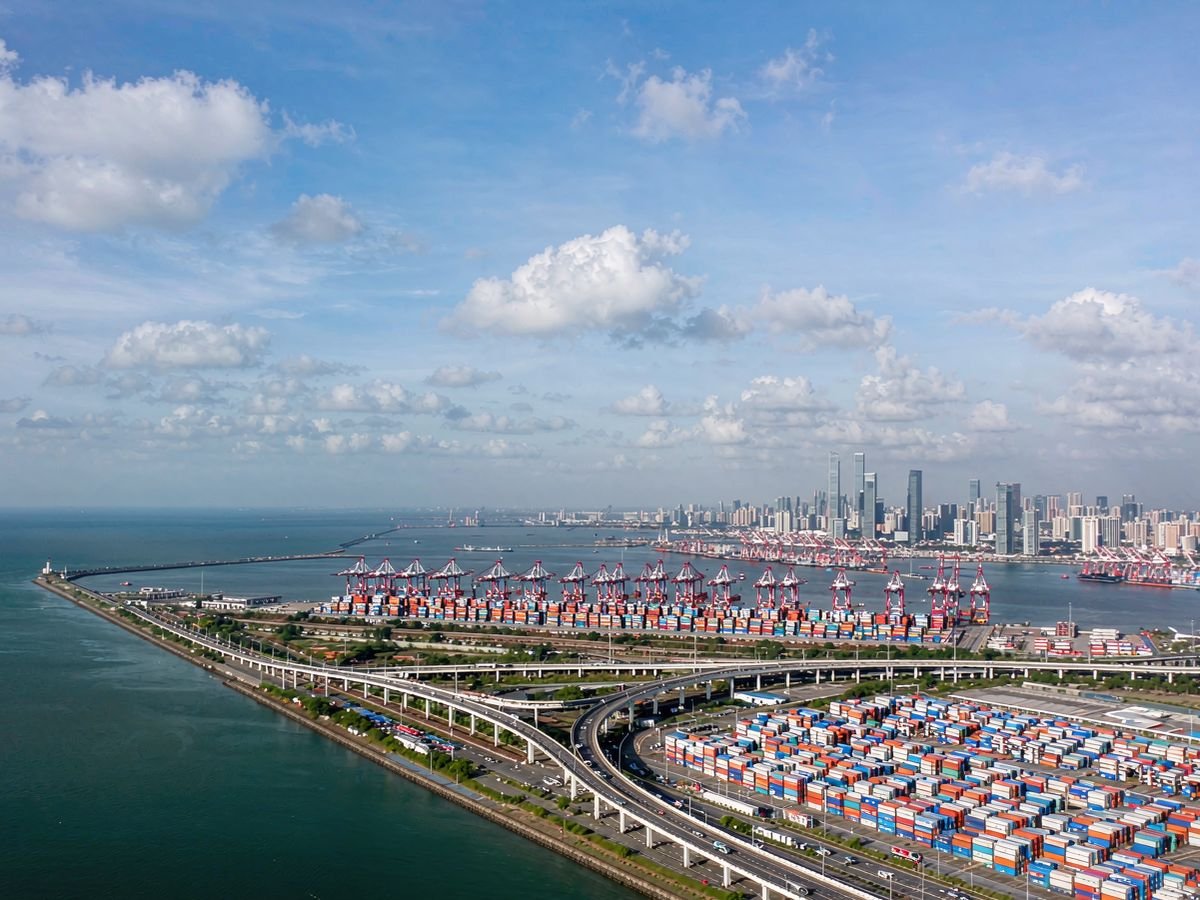
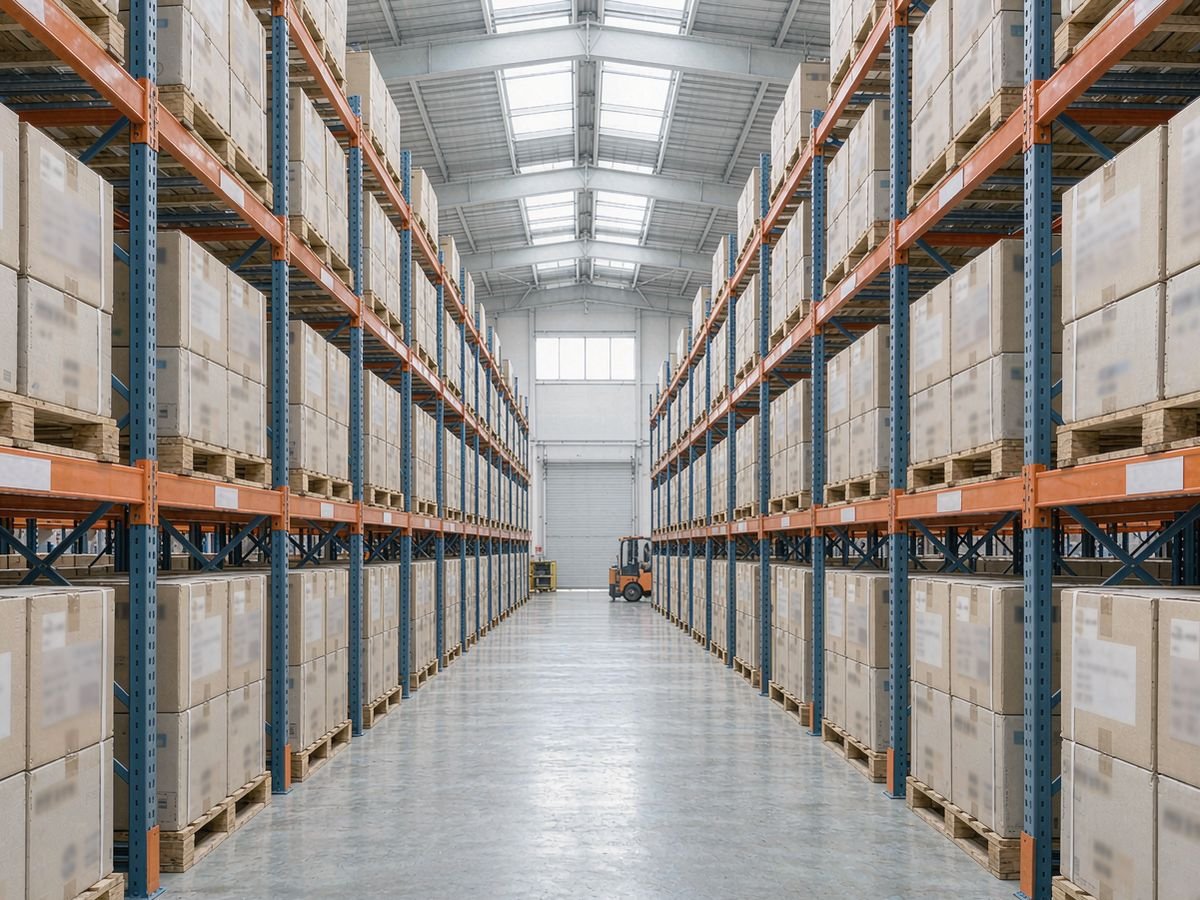
The classic route is importer → wholesaler → installer → end customer: you land containers of panels, inverters, batteries and mounting, then sell through local installers while supplying training, technical support and marketing material — the installers are your customers, not your competitors. The second route is direct-to-EPC for commercial projects: contract-specific volumes at project pricing. Most successful entrants run both, using the wholesale channel for cash flow and the EPC channel for volume.
Duties, VAT and Paperwork
| Item | Import duty | Notes |
|---|---|---|
| Solar panels | 0% | Exempt to promote renewables |
| Inverters | 0–5% | Varies by type |
| Batteries | 5–15% | Chemistry-dependent |
| Mounting systems | 5–10% | Steel/aluminium content |
| VAT | 12% | On all imports, recoverable for registered businesses |
Every Philippines solar import business must budget for the duties below. Work with a customs broker from day one, and make sure your supplier's HS coding and documentation are clean — mis-declared shipments are the main source of Bureau of Customs delays.
Net Metering: The Demand Engine
Net metering lets system owners export daytime surplus and settle the net difference — it is what makes grid-tied economics compelling for customers. Export rates in 2026 run ₱5.50–6.50/kWh under Meralco (Metro Manila), ₱5.00–6.00 under VECO (Cebu), ₱5.50–7.00 under DLPC (Davao). The application runs through the distribution utility: design by an ERC-accredited installer, submission with electrical diagrams, 15–30 day review, inspection, bidirectional meter, contract. Installers who can shepherd this paperwork win residential deals; as their supplier, feeding them correct documentation makes you their favourite vendor. Grid-tied inverters must carry the right certifications for local interconnection — build that into your product spec from the start.
The Entry Checklist
- Register your importing entity and secure BIR VAT registration to recover input VAT.
- Choose your first container: a mixed load (panels + inverters + batteries + mounting) targeting the 10–50 kW commercial sweet spot.
- Line up two or three installer-distributors in your first city; offer training and demo stock.
- Get product compliance right: IEC-certified panels and grid-code-compatible inverters avoid both customs and interconnection problems.
- Pilot, then scale: one container, sell-through confirmed, then negotiate volume pricing.
We have been shipping complete systems to the Philippines and wider Southeast Asia since 2008 — 3,000+ projects across 135+ countries — with trial-order MOQs from a single set, 72-hour full-system testing before shipment, and net-metering documentation support. Ask for a mixed-container quotation to Manila — CIF transit runs 7–10 days from China.