
The most expensive mistake in commercial solar is wrong sizing: an oversized system wastes capital, an undersized one keeps you dependent on diesel. Professional sizing takes four inputs — your load profile, your site's peak sun hours, your required autonomy, and your surge loads. Here is the process our engineers run on every project, free, within 24 hours.
Step 1 — Commercial Solar Power System Sizing Starts With the Load Audit
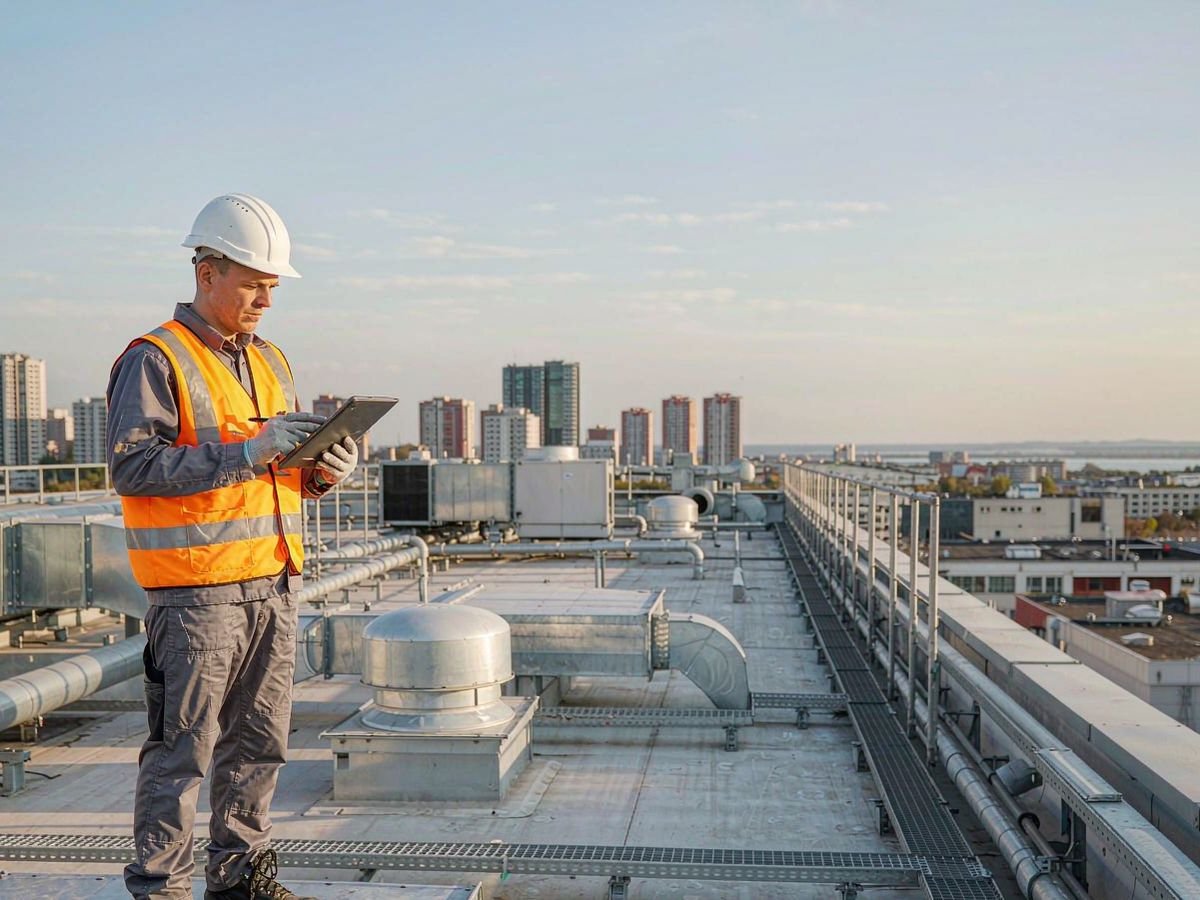
List every significant load: equipment, quantity, watts, daily run-hours, and which loads must survive an outage. Separate daytime loads (covered directly by PV) from evening/backup loads (covered by the battery). A cold-storage facility and a call center with the same monthly bill need completely different systems.
Step 2 — Convert energy to PV capacity
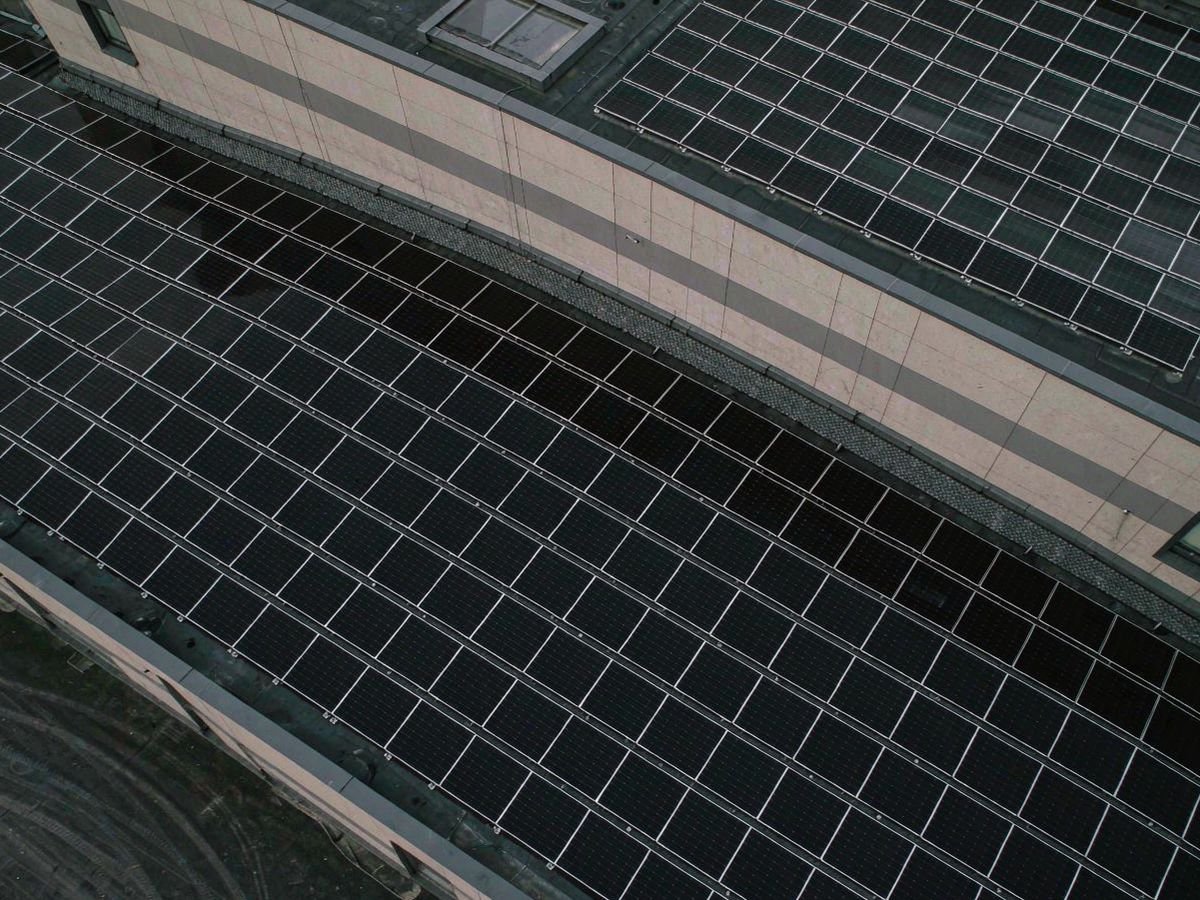
Daily energy need ÷ peak sun hours = required PV kW, plus 15–25% for losses (temperature, cabling, dust, inverter efficiency). Nigeria averages 5–7 peak sun hours; the Philippines 4.5–5.5. Example: 500kWh/day ÷ 5.5h × 1.2 ≈ 110kWp. Converting need into PV capacity is the heart of commercial solar power system sizing.
Step 3 — Size the battery for autonomy
Battery kWh = evening + outage loads (kWh) ÷ usable depth of discharge. LFP runs comfortably at 80–90% DoD; lead-acid only 50%. For 200kWh of evening load: 200 ÷ 0.85 ≈ 235kWh of LFP storage. Above 100kWh, specify liquid cooling — it holds cell temperature spread within 2°C and directly extends cycle life.
Step 4 — Size the inverter for surge
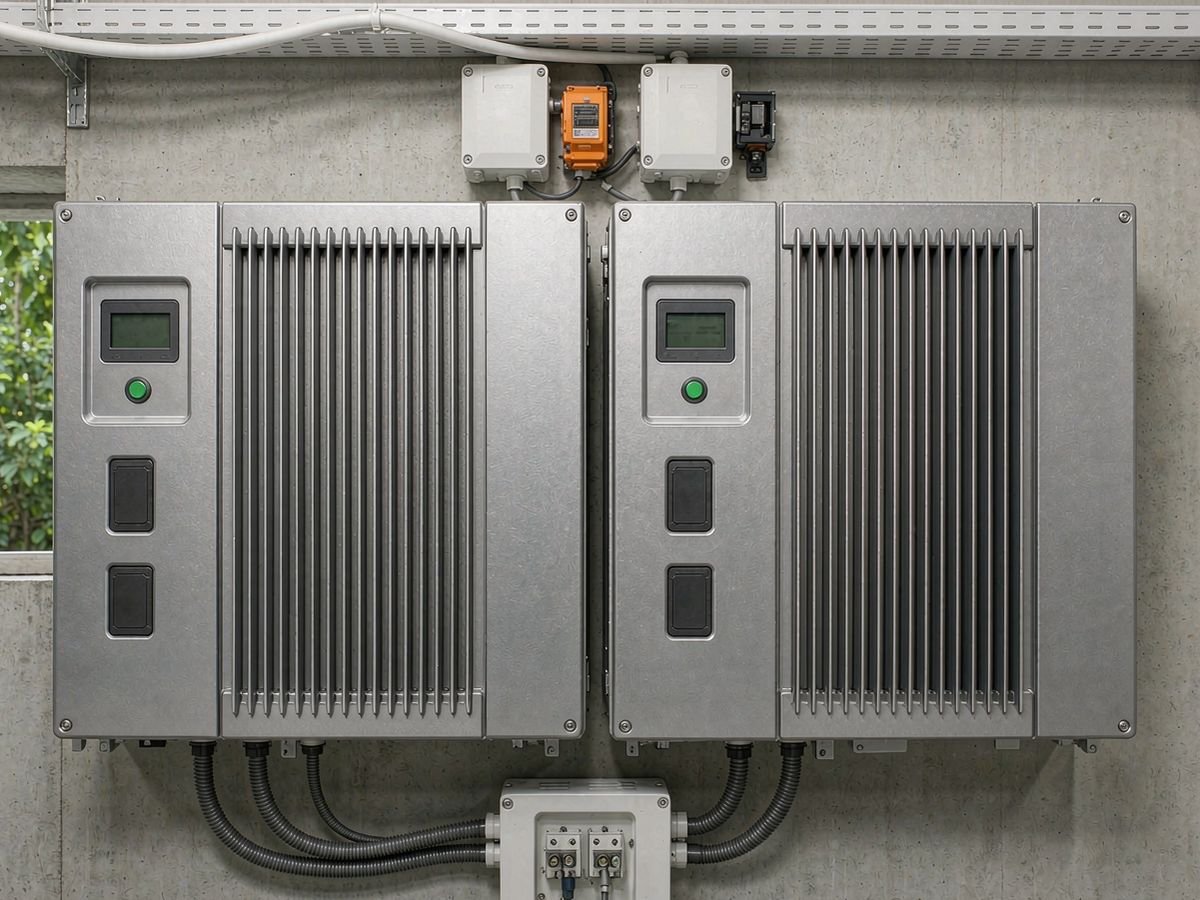
Inverter kW must cover your peak simultaneous load plus motor starting surges (3–7× running current for compressors and pumps). IGBT 3-phase inverters handle 125% overload for 10 minutes and 150% for 1 minute — match that curve to your heaviest motor.
Worked Example: a 100kW Off-Grid Plant
The configuration below powers an industrial site with ~400–700kWh/day demand — the same design behind our Sudan wastewater plant:
| Component | Specification | Qty |
|---|---|---|
| Solar panels | 625W N-type TOPCon, 23% efficiency | 160 pcs (100kWp) |
| Battery | 241–261kWh LiFePO4, 6,000+ cycles | 1 bank |
| Inverter | 100kW IGBT 3-phase, THD <3%, 380/400/415V | 1 |
| MPPT controllers | 360V 100A, >99.9% efficiency | 3 |
| Combiner + protection | 360VDC, DC surge protection | 3 sets |
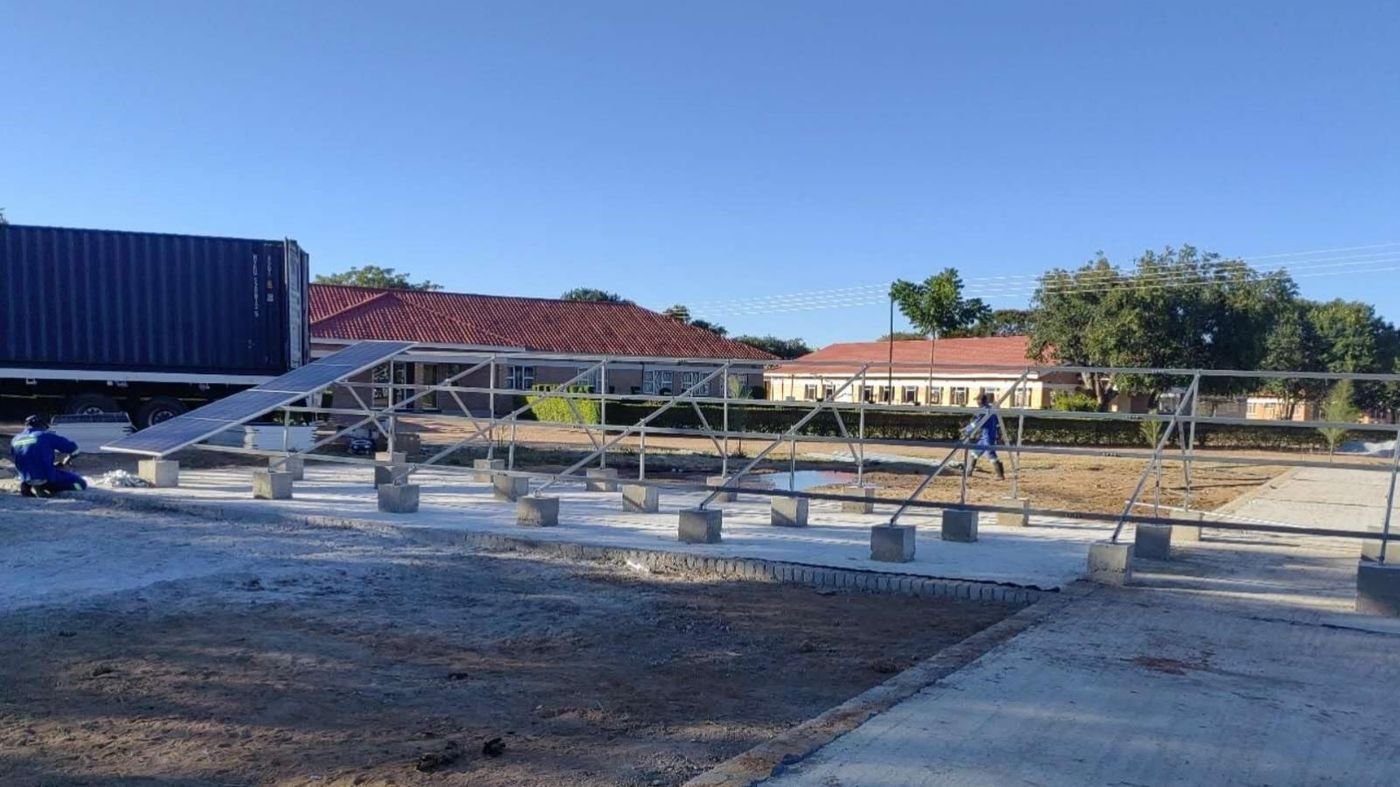
| Mounting | 55m/s wind load, anodized aluminium | 169 sets |
Expected output: 404–707kWh/day (4–7 peak sun hours), roughly 218,900kWh/year — with grid-to-battery transfer under 20ms, so critical loads never see the switch.
Rules of Thumb
- Factory, 8h daytime shift: PV kW ≈ daily kWh ÷ 5, battery ≈ 20–30% of daily kWh for backup.
- Hotel / 24h operation: battery ≈ 40–50% of daily kWh; size PV for daytime load + battery charging.
- Telecom / critical site: design for 2–3 days autonomy, not hours.
- Always leave headroom: size cabling and inverter for +25% expansion — commercial loads grow. Good commercial solar power system sizing leaves that margin from day one.