
A solar panel without the right certifications will not clear customs in the EU, will not qualify for incentives in the US, will not be insured in Australia, and will not be touched by a licensed EPC anywhere. Yet many first-time buyers cannot tell which certificates they need — or whether the PDF a supplier emailed them is genuine.
Solar System Certifications: Four Tiers Every Buyer Should Know
Certifications cluster into four functional layers, and knowing the tier tells you what is negotiable. Matching the right solar system certifications to your destination is the highest-leverage check you can run before paying.
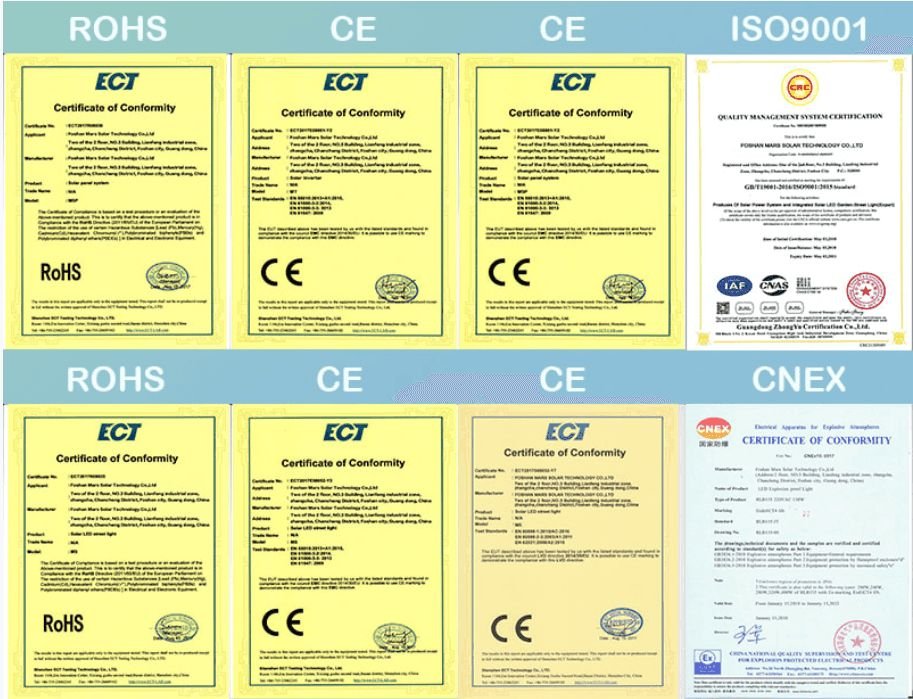
- Tier 1 — performance and safety: IEC 61215 (design qualification) and IEC 61730 (safety), plus UL 61730 for North America. Non-negotiable everywhere serious.
- Tier 2 — regional and regulatory: CE for Europe, TÜV for Germany and large EU EPCs, CEC listing for Australian rebates, INMETRO for Brazil, BIS for India, SONCAP conformity for Nigeria.
- Tier 3 — management systems: ISO 9001 (quality), ISO 14001 (environment), ISO 45001 (occupational safety). Demanded by large buyers and tenders.
- Tier 4 — specialty: PID resistance, salt-mist (IEC 61701) and ammonia (IEC 62716) corrosion for coastal and agricultural sites; for batteries, UN38.3 transport and IEC 62619 safety.
A credible manufacturer should hold Tier 1 plus at least one Tier 2 covering your market. The rest are upside.
What the Core Standards Actually Test
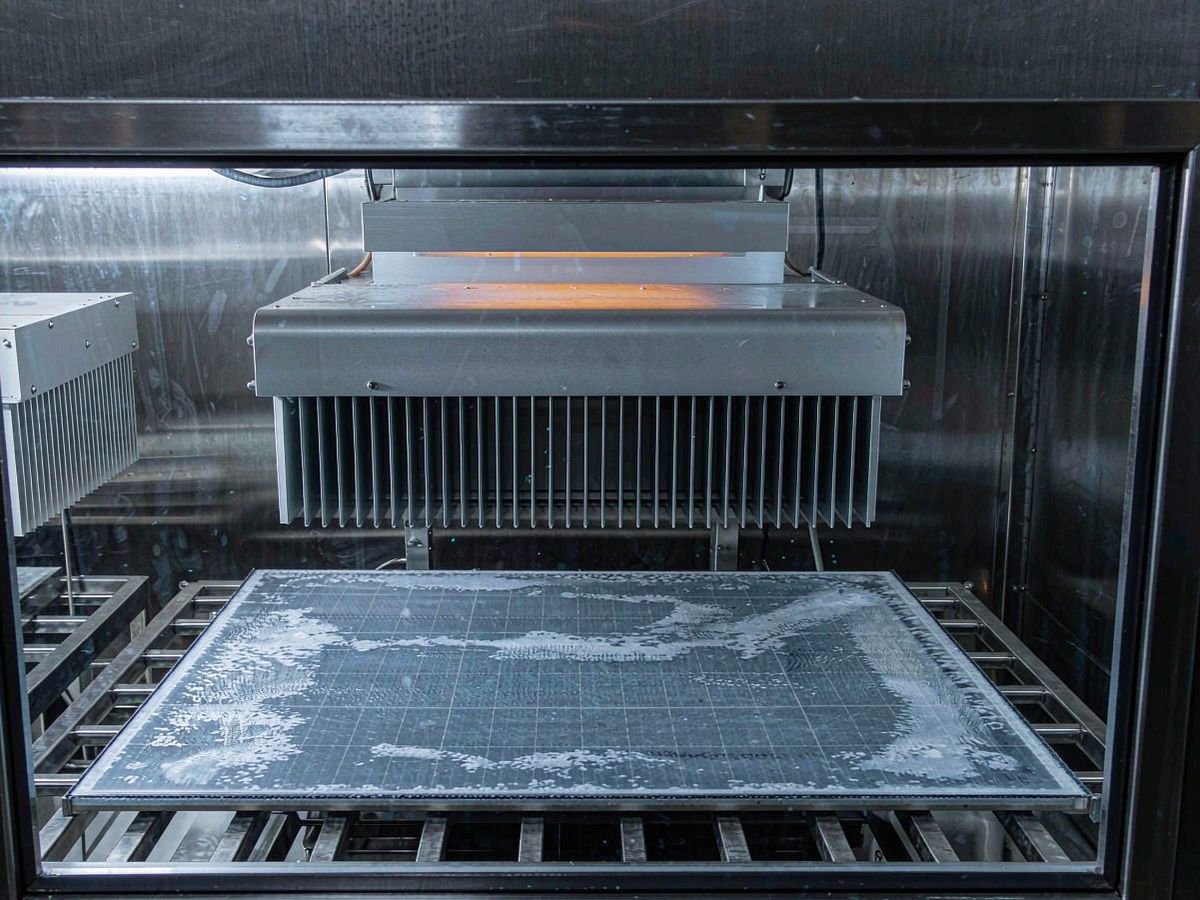
IEC 61215 stresses the design: 200 thermal cycles between −40°C and +85°C, humidity-freeze cycling, 2,400 Pa mechanical load, 25 mm hail impact at 23 m/s and hot-spot endurance. Passing means the design is qualified for a 25-year field life. IEC 61730 covers electrical and fire safety — insulation withstand at 1,000–1,500 V DC, ground continuity, accessible-surface temperature, fire class. Only CBTL-accredited laboratories (TÜV Rheinland, TÜV SÜD, VDE, Intertek, UL and peers) may issue these, and every certificate carries a searchable number.
UL 61730 adapts the safety standard for the US and Canada, adding NEC-specific fire and grounding requirements; verify listings on UL's Product iQ database. TÜV marks add third-party testing on top of IEC and are the practical entry ticket for German grid connection. CE, by contrast, is a self-declaration backed by a signed Declaration of Conformity and technical file — a CE logo alone proves nothing, so always ask for the DoC. For storage systems, UN38.3 governs battery transport and IEC 62619 covers lithium battery safety — both essential for BESS imports.
Which Certificates Your Market Requires
| Market | Mandatory | Strongly expected |
|---|---|---|
| USA & Canada | UL 61730 | IEC 61215, ISO 9001 |
| European Union | IEC 61215 + IEC 61730 + CE (with DoC) | TÜV, ISO 9001/14001 |
| Australia | IEC 61215 + IEC 61730 + CEC listing | ISO 9001 |
| Nigeria / West Africa | IEC 61215 + IEC 61730 | SONCAP documentation support |
| Brazil / India | INMETRO / BIS registration | IEC 61215 + IEC 61730 |
| Southeast Asia | IEC 61215 + IEC 61730 | Local utility test reports |
Six Checks Before You Trust Any Certificate
- Look up the certificate number in the issuing body's public database (UL Product iQ, TÜV Certipedia, IECEE CB scheme). No result, no deal.
- Confirm the certificate holder's company name matches your supplier's legal name exactly — sibling companies are not covered.
- Confirm the model and wattage range match what you are buying.
- Check validity dates; most run 3–5 years and need renewal.
- Check the factory address on the certificate matches where your goods will be made.
- Confirm the issuing lab is ISO 17025-accredited under ILAC-MRA.
What Uncertified Equipment Actually Costs
The downside is concrete: customs seizure at the port, voided building insurance after an incident, utility refusal to connect, ineligibility for incentives — and failure rates multiples higher, with a warranty you cannot enforce. One US installer's $0.04/W "saving" on 5 MW of unlisted panels became a $2.3 million removal-and-replacement bill after the inspector refused sign-off.
Mars Solar ships with IEC 61215/61730-certified modules, CE documentation, ISO 9001/14001 factory systems, and UN38.3 / IEC 62619 test coverage for battery systems, with certificate numbers supplied in every quotation so you can verify each one yourself — see our resources page for the full compliance summary.