
See how this project fits the wider market in our commercial solar Nigeria guide — SONCAP clearance, DisCo rules and a worked 500 kWp + 1 MWh diesel-replacement payback.
This industrial facility in Lagos ran on grid power supplemented by diesel generators during daily outages. With Nigeria's grid instabilibility and commercial tariffs among the highest in West Africa, monthly electricity spend exceeded $140,000. Production lines were interrupted 15–20 times per month, and each outage triggered diesel generator startup at $0.45/kWh — nearly double the grid rate.
The facility needed uninterrupted 24/7 power for continuous production. Diesel backup was costing an additional $38,000/month during outage hours alone. Voltage fluctuations from the unstable grid had already damaged sensitive equipment twice in the previous year.
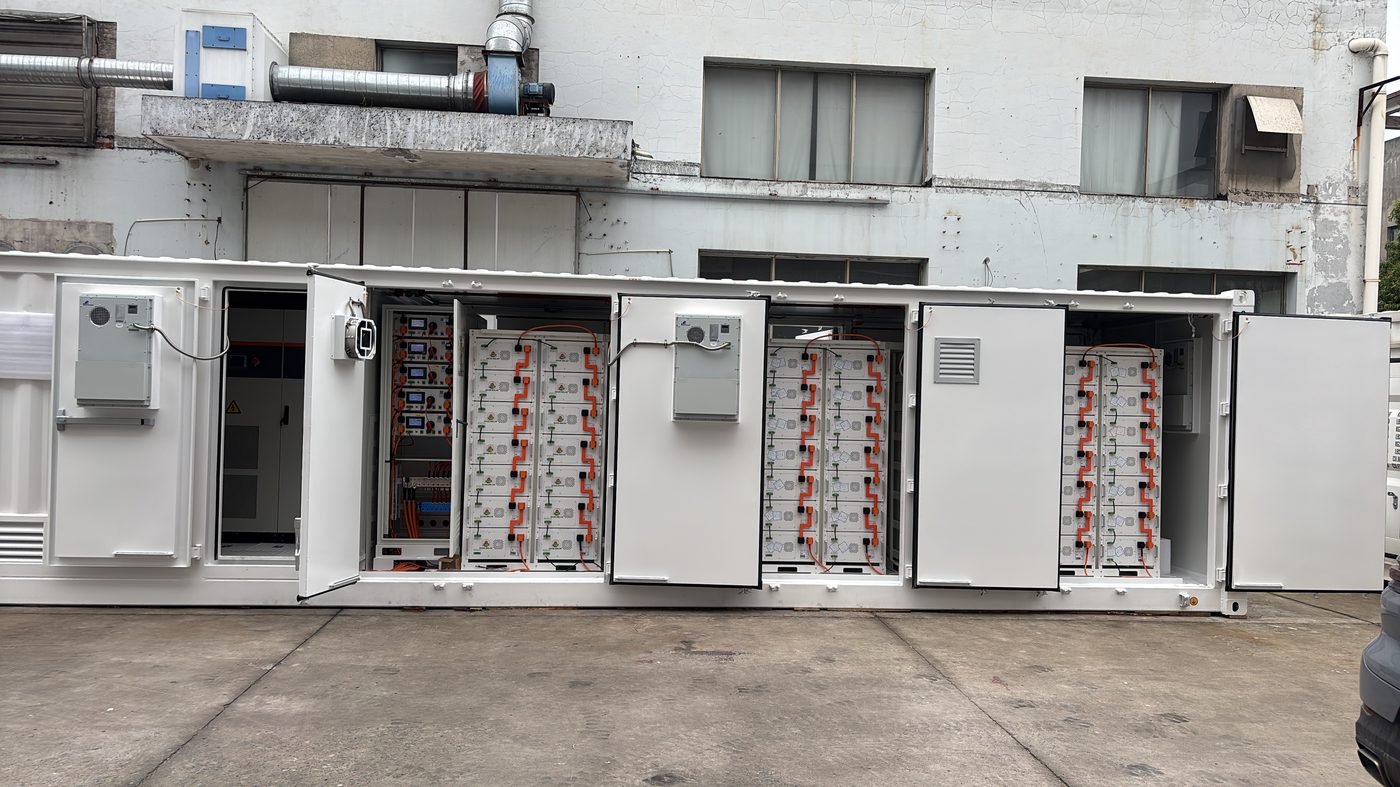
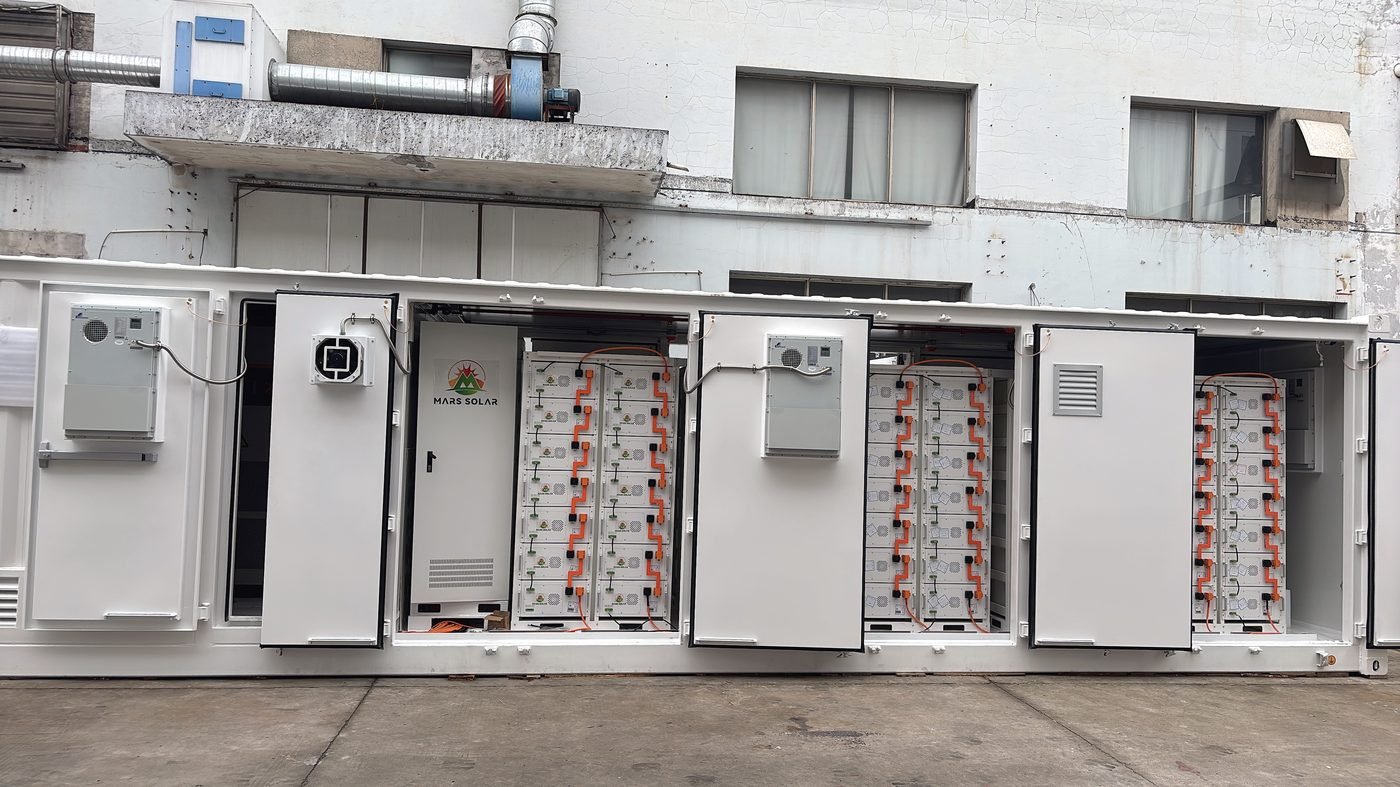
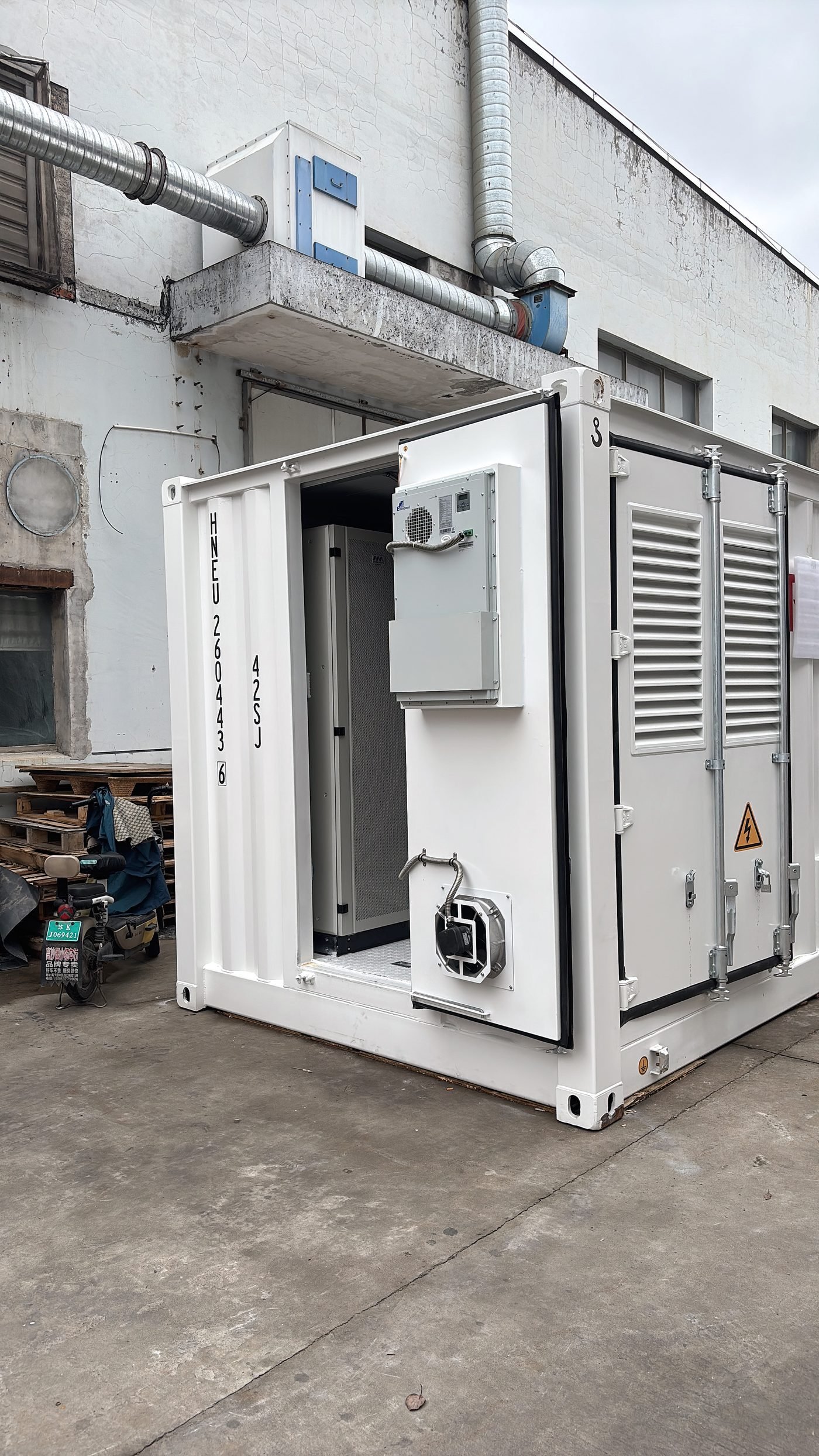
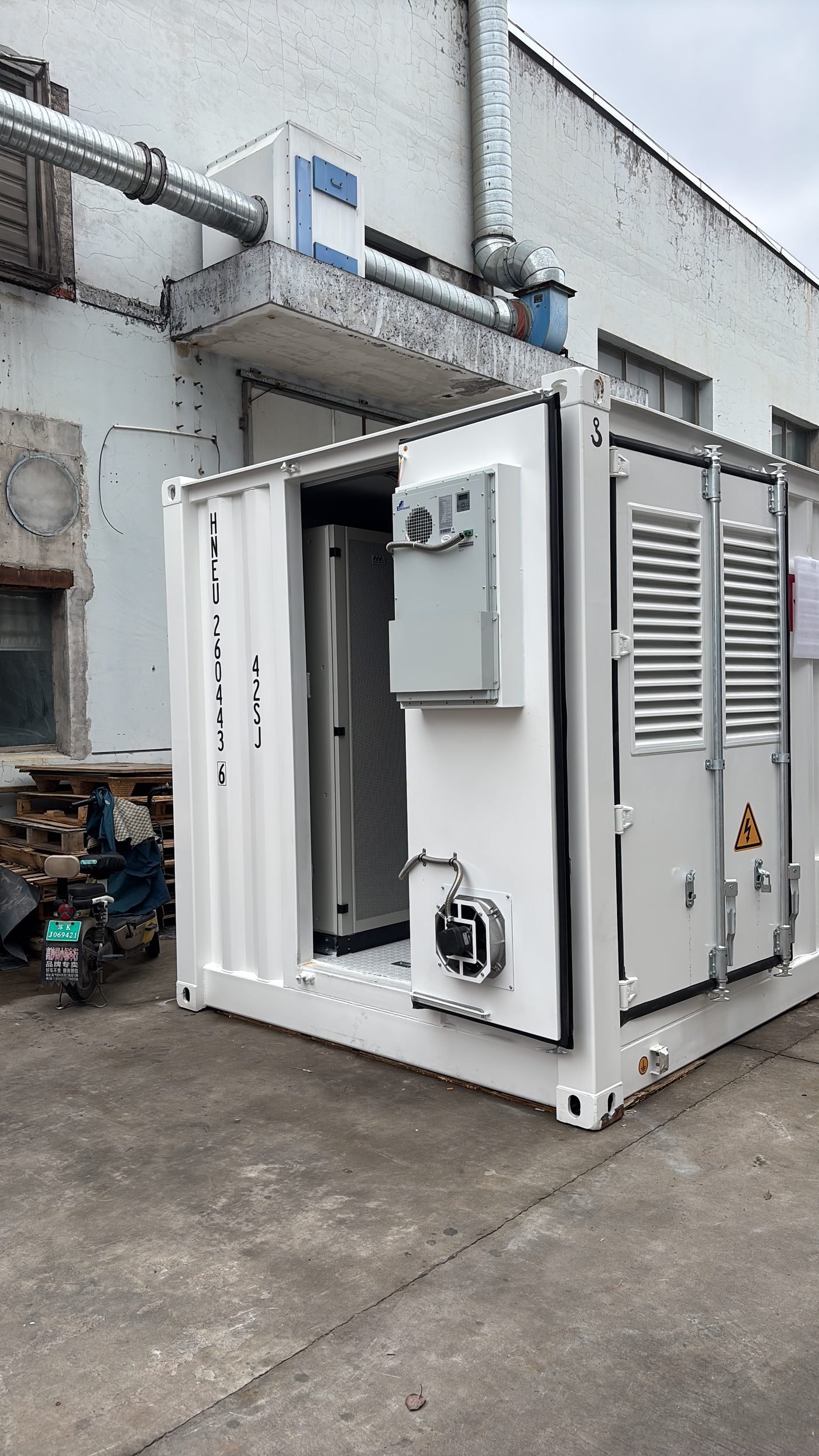
Mars Solar engineered a grid-tied solar power system with battery energy storage (BESS) sized to shave peak demand and carry critical loads through outages. The system was delivered in containerized, factory-pre-tested blocks — each cabinet passed a 72-hour full-load bload burn-in test before shipment.
| Solar PV Capacity | 6 MW (13,340 Tier-1 bifacial modules) |
|---|---|
| Battery Energy Storage | 20 MWh LFP (Lithium Iron Phosphate) |
| Inverters | Grid-tied hybrid inverters, 6 × 1MW units |
| System Type | Grid-tied with peak shaving + backup |
| Monitoring | IoT platform, remote diagnostics |
| Installation | Mars Solar engineers on-site, 45 days |
The system now supplies 78% of the facility's annual electricity demand. Monthly electricity costs dropped from over $140,000 to under $32,000 — a sa saving of $108,000+ every month. Grid outages no longer interrupt production: the BESS delivers seamless transfer in under 20 milliseconds. Diesel generator runtime dropped 92%.
| Monthly savings | $108,000+ |
|---|---|
| Annual savings | $1.29M+ |
| Payback period | ~24 months |
| CO₂ reduction | 4,900 tons/year |
| Diesel displacement | 92% of backup runtime |
“Mars Solar's engineering team delivered exactly what was promised. The ROI calculations they presented during the proposal phase matched the actual performance within 5%.”
— Facility Director, Lagos Industrial Complex

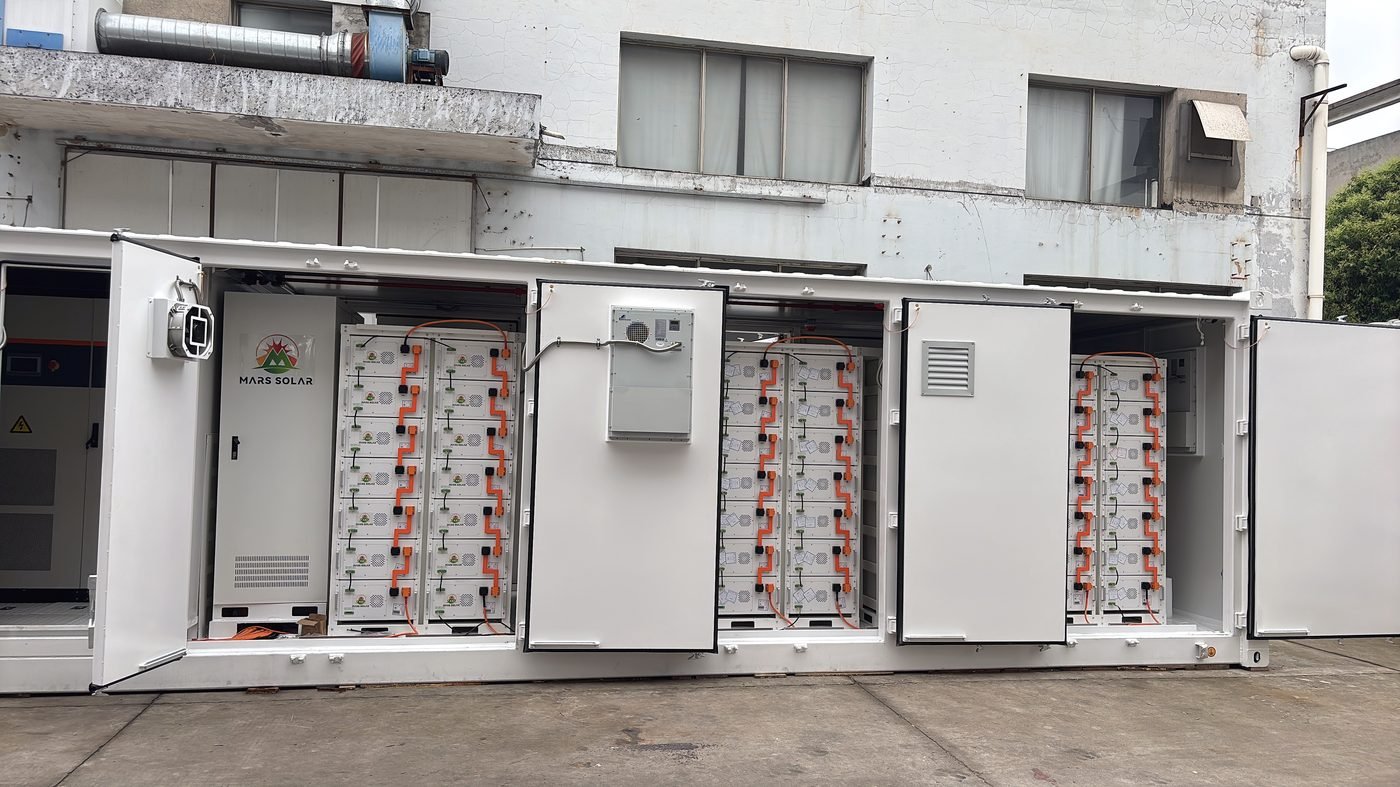
At 6 MW the design question stops being "how much capacity" and becomes "how much of the complex's demand curve can we reshape". Twenty megawatt-hours against six megawattt six megawatts is roughly 3.3 hours at rated array output (20 MWh ÷ 6 MW) — enough to shift the evening peak and carry critical loads through a grid event, but not enough, and not intended, to run the complex off-grid.
Two choices did most of the work. Bifacial modules were specified across 13,340 units, and the plant was split across six 1 MW inverter units so that a single unit outage costs a sixth of production rather than all of it. Remote diagnostics matter just as much at this scale: 92% of backup runtime has moved off diesel, and that number is only maintainable if faults are caught before they become downtime.
It depends on whether you are buying peak shaving or backup. This plant uses 20 MWh, which is about 3.3 hours at rated array output (20 MWh ÷ 6 MW) — enough to shift the evening peak and ride through grid events, not enough to run the complex off-grid.
Failure granularity and serviceability. One unit out of service costs a sixth of output, and a 1 MW unit can be swapped or serviced without taking the plant down.
92% of backup runtime has moved to the battery. The remaining generator hours cover events longer than the storage window.
Forty-five days of on-site installation by Mars Solar engineers, after manufacturing and factory testing. The long-lead items are modules, containers and grid-interconnection approval — not the installation itself.
The 4,900 tons of CO₂ a year is a displaced-diesel and displaced-grid calculation. Grid emission factors vary by country, so ask for the assumed factor before comparing it against another project's number.
At 6MW and 20MWh the economics shift from tariff savings to production continuity: this Lagos complex was losing power 15–20 times a month and paying $0.45/kWh for diesel backup, on top of monthly grid spend above $140,000. A 6MW solar storage system of this size is engineered as a containerized plant — parallel BESS cabinets, synchronised inverters and EMS dispatch — and remains our flagship reference for multi-MW industrial sites where a 6MW solar storage system replaces both grid draw and generator runtime.
Free system design and ROI estimate within 24 hours — based on your actual electricity bills.