
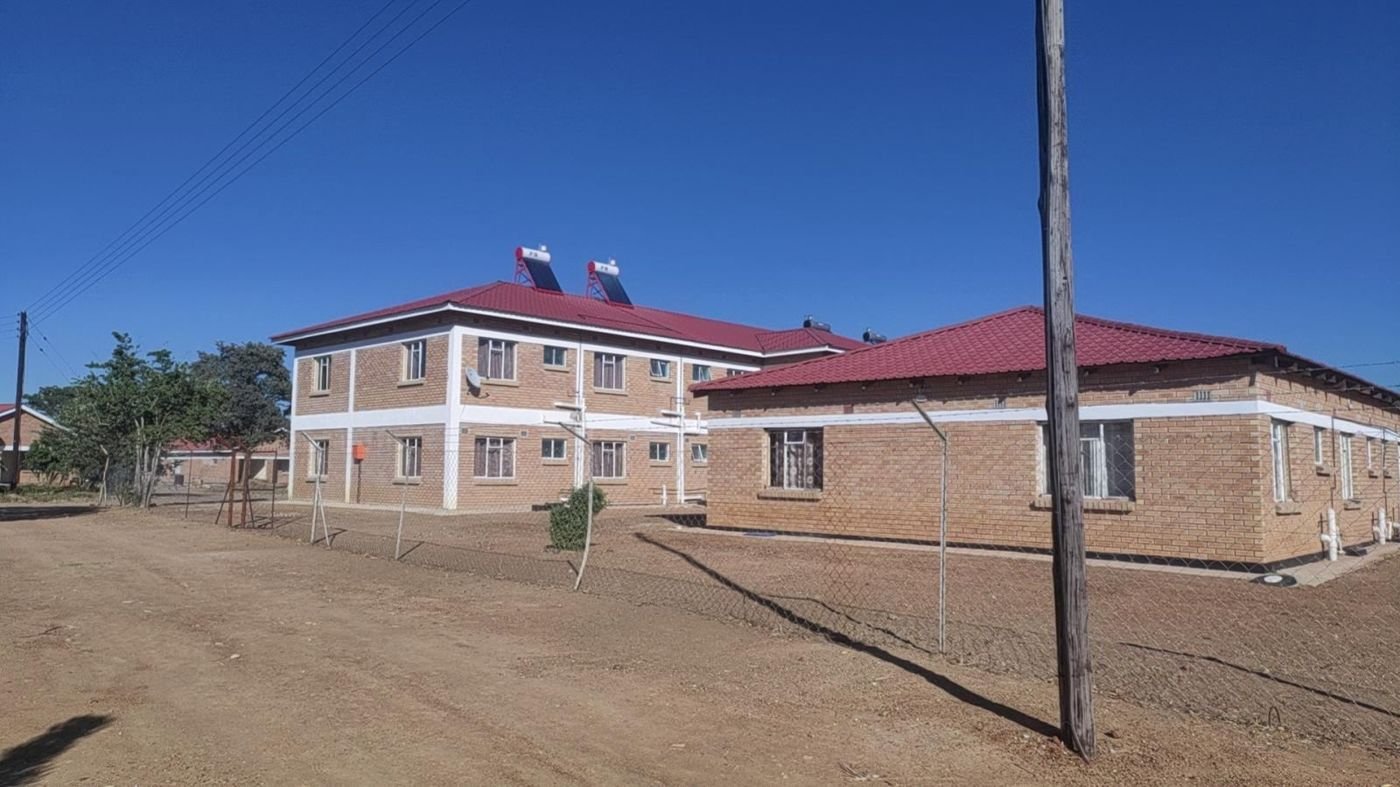
This school in northern Zimbabwe serves more than 600 students — with classrooms, science laboratories, a computer lab, and dormitories. The unreliable rural grid supplied power only a few hours per day, and evening study sessions were regularly cancelled. Boarding students studied by flashlight.
The school needed stable electricity for classroom lighting, laboratory equipment, computers, water pumping, and evening study. Grid extensions were not planned for the region. A diesel generator was too expensive to run for the required hours.
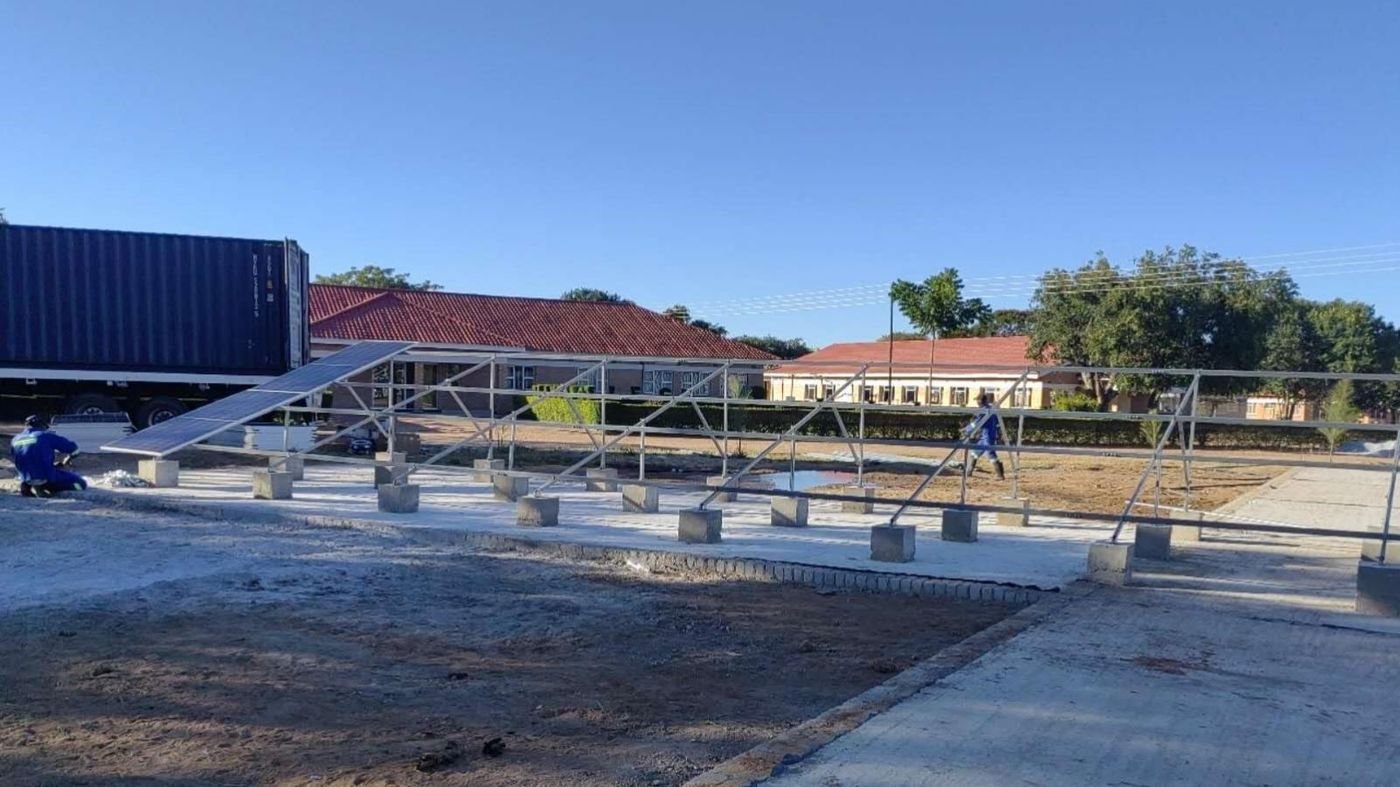
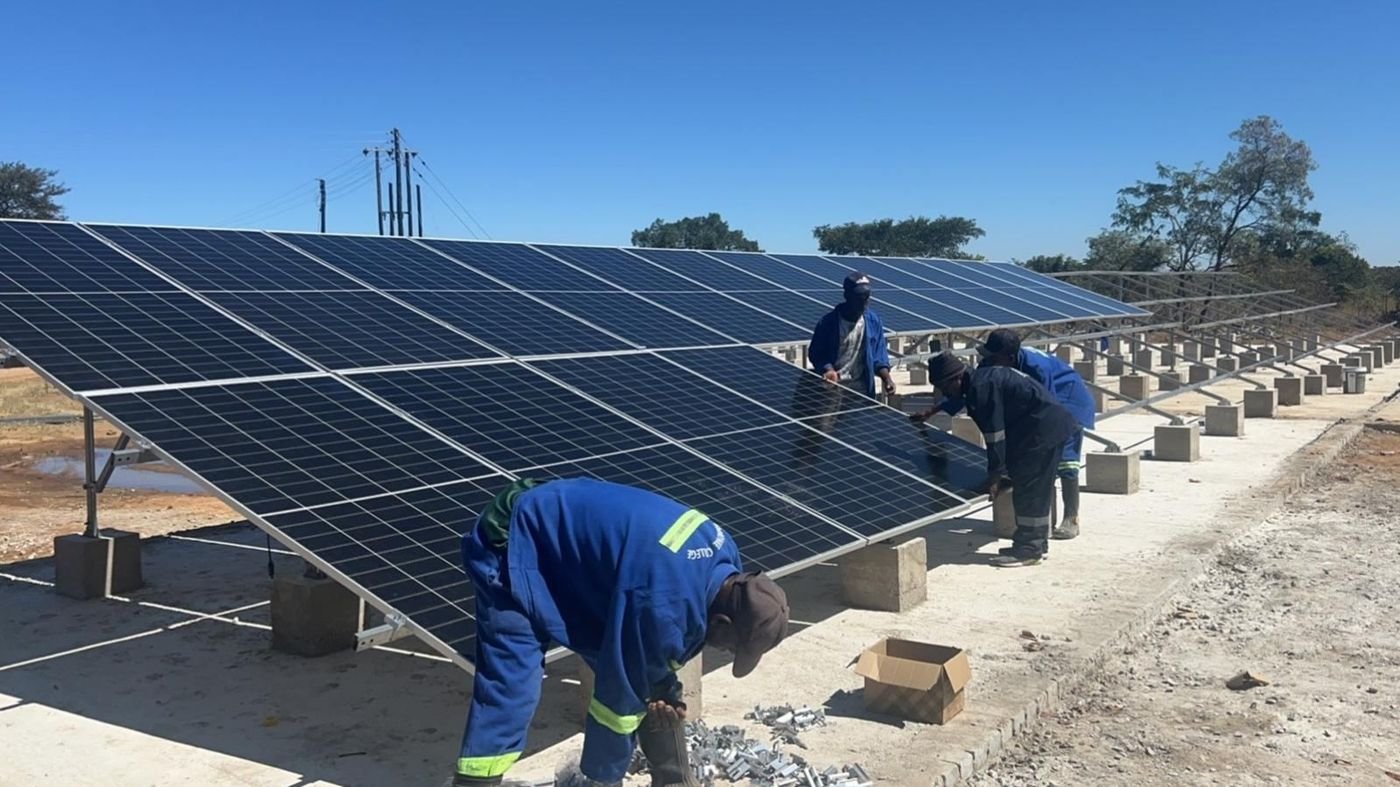
Mars Solar designed an off-grid solar power system with battery storage for full campus energy independence. The 200kWh LFP battery bank stores daytime solar for night use. Mars Solar engineers flew to Zimbabwe for installation and trained the school's maintenance staff — every inverter and battery carries a serial number for lifetime support.
| Solar PV Capacity | 100 kW off-ground mounting |
|---|---|
| Battery Energy Storage | 200 kWh LFP |
| Inverters | Off-grid hybrid, 3-phase |
| System Type | Fully off-grid, zero diesel |
| Loads covered | Classrooms, labs, computers, pumping, dorms |
| Installation | 5 days + staff training, April 2024 |
The campus now runs entirely on solar. Evening study sessions run every night, the computer lab operates full-time, and water pumping is no longer rationed. Against the previous combined grid + diesel spend, the system saves $4,500+ monthly and paid back in 13 months. The school has become a regional reference for educational electrification.
| Monthly savings | $4,500+ (vs grid + diesel mix) |
|---|---|
| Payback period | 13 months |
| Students served | 600+ |
| Evening study sessions | Every night, restored |
| Diesel usage | Zero |
“Our students now study under proper light every evening. The laboratories work, the computers run, and the school has become a point of pride for the community.”
— School Principal, Northern Zimbabwe
Remote campuses are the hardest off-grid case: there is no grid to fall back on, so the array and battery must carry the full daily load plus a reserve for cloudy days. A solar system for school sites is sized from the term-time load profile, with battery autonomy measured in days rather than hours. We also train local staff on routine maintenance, so a solar system for school duty keeps running long after our engineers have left the site.
Free system design and ROI estimate within 24 hours — based on your actual electricity bills.