
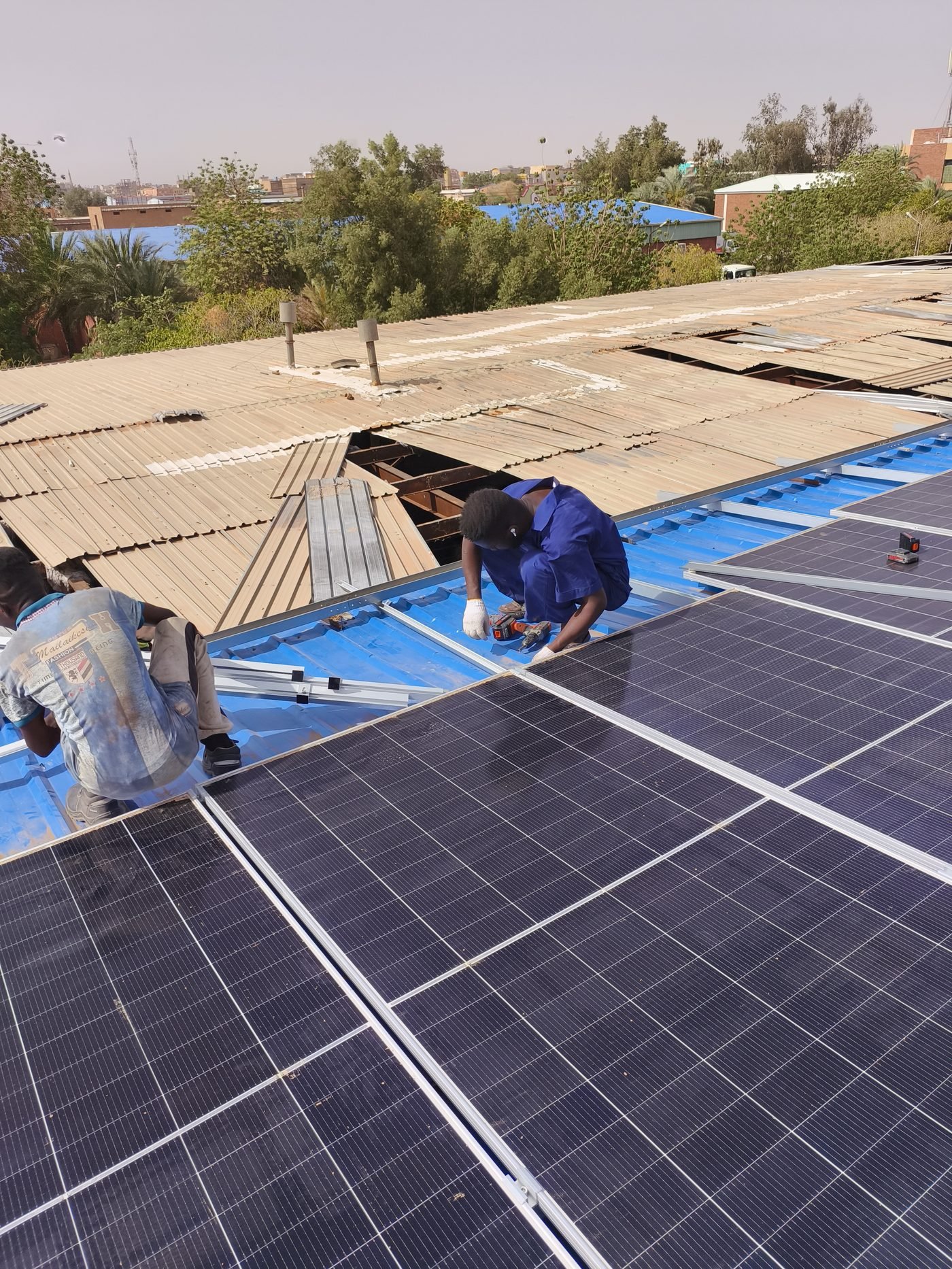
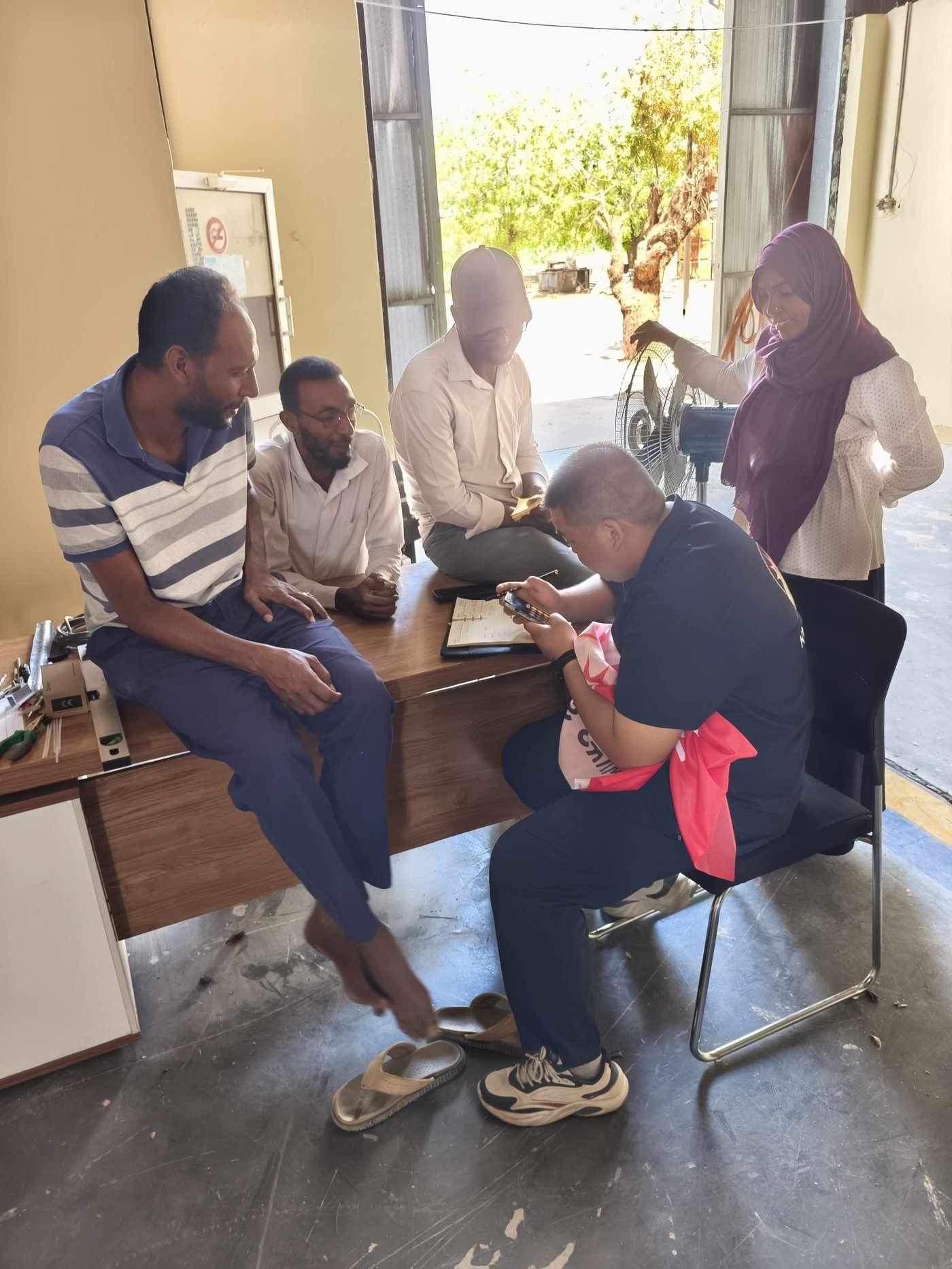
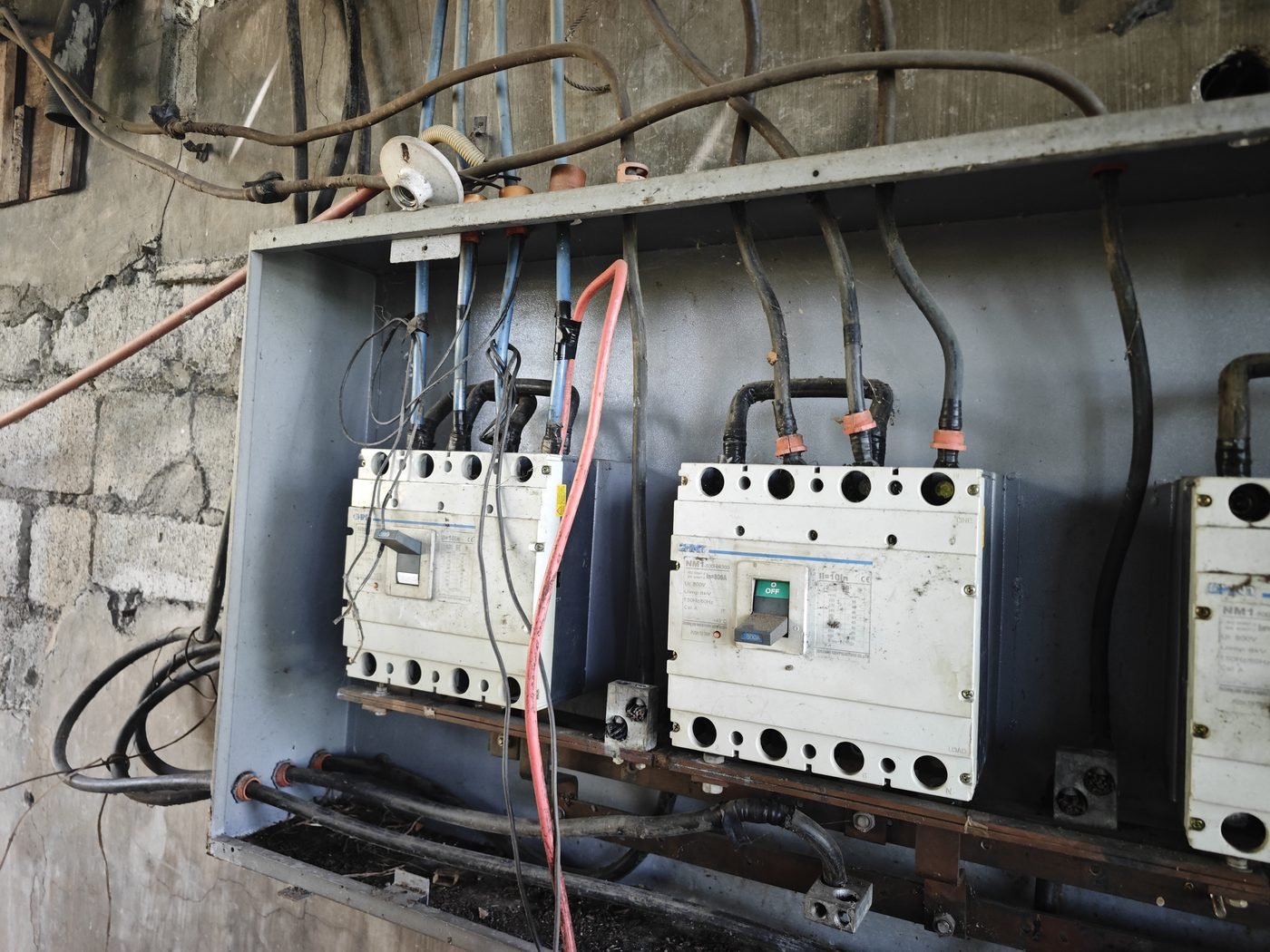
This municipal wastewater treatment facility in Sudan runs continuous aeration pumps, filtration systems, and chemical dosing equipment. Energy is the plant's largest operating cost, and the facility previously drew 100% of its power from the national grid at commercial tariffs — with daily interruptions requiring diesel backup.
Treatment processes cannot stop: an interruption of more than 4 hours risks process upset and regulatory violations. The plant needed to cut energy costs while adding resilience against grid failures — all within a municipal budget.
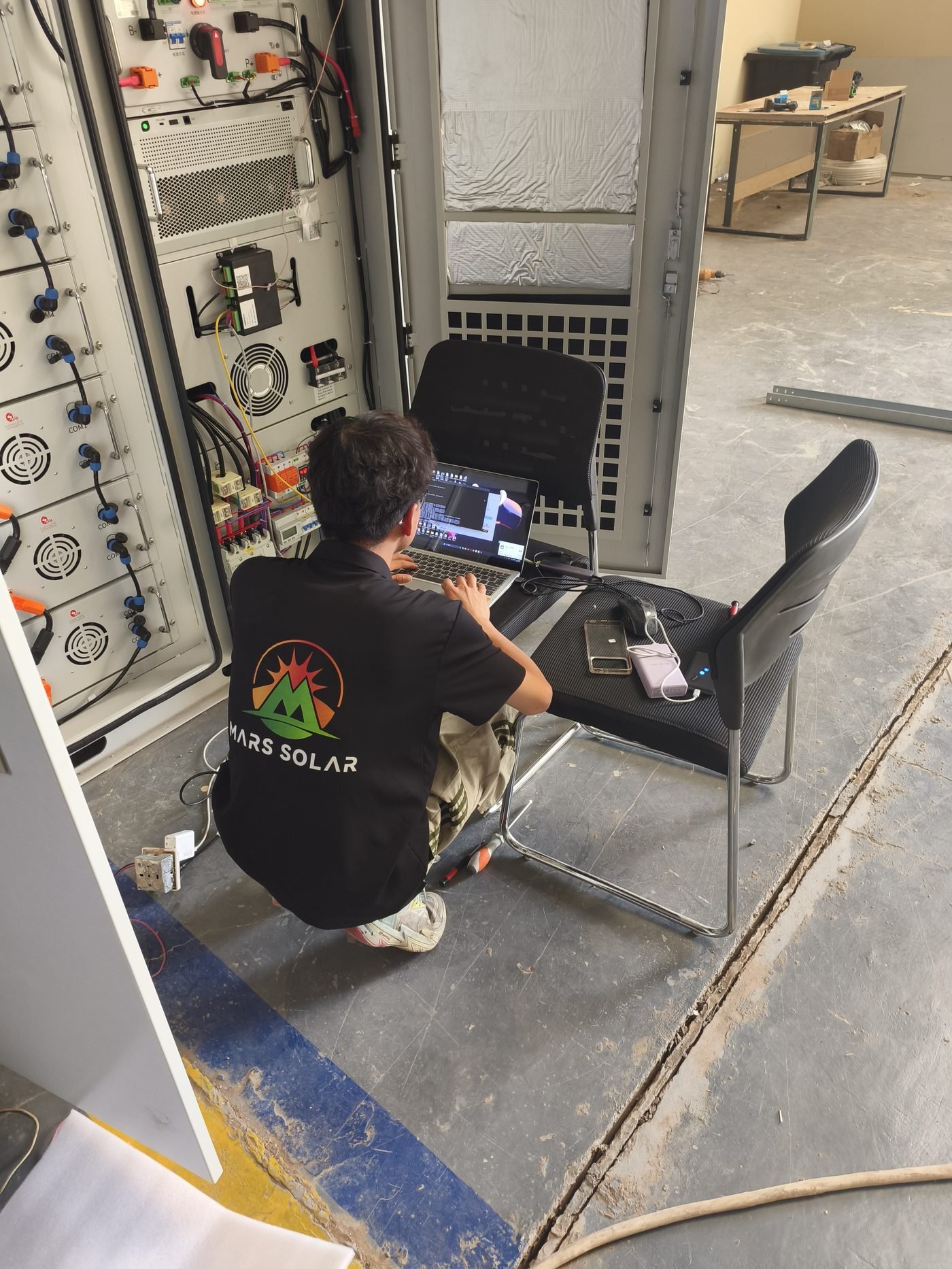
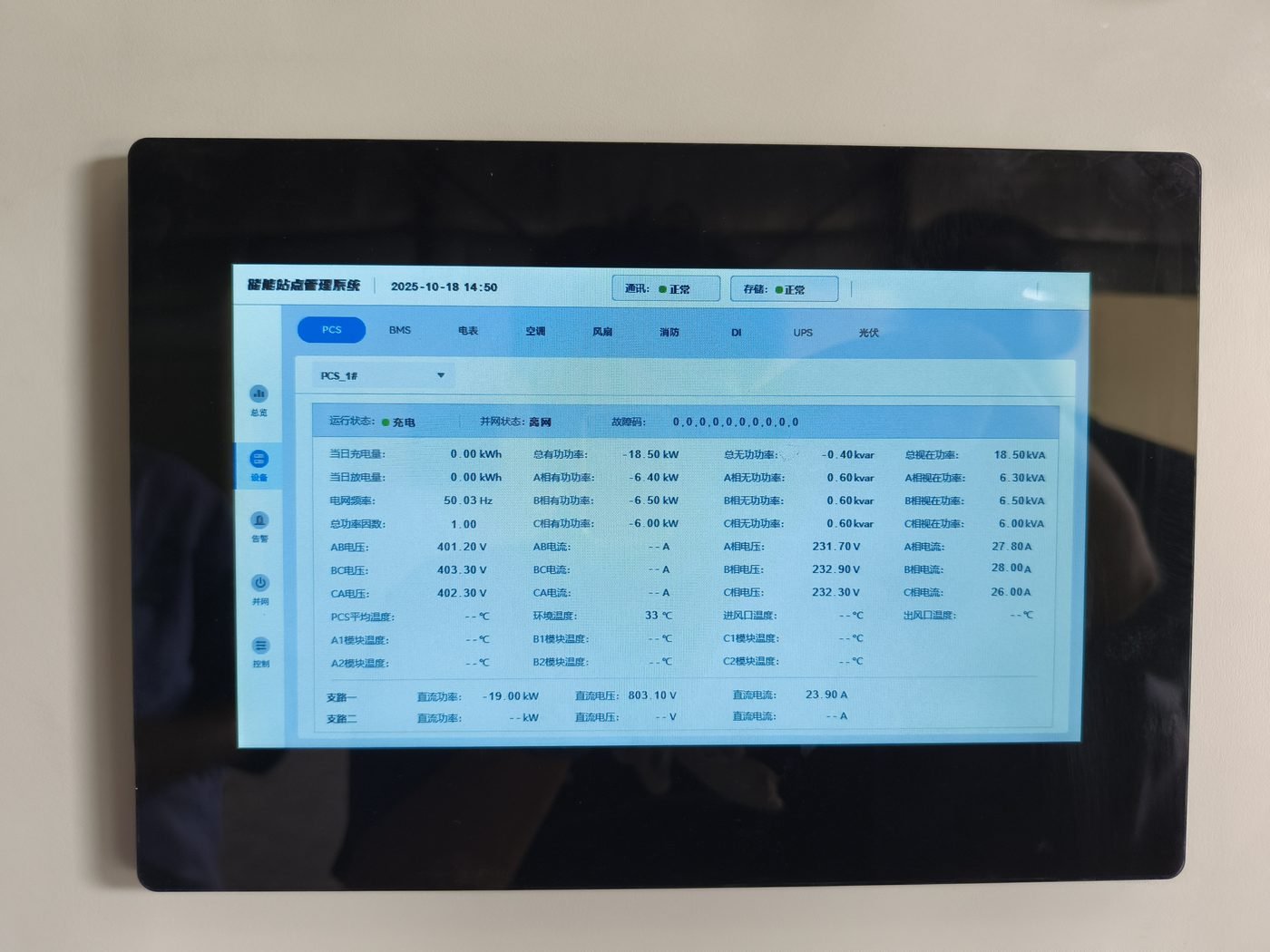
Mars Solar delivered a solar power system with battery energy storage that runs aeration and pumping loads on solar during daylight hours, stores surplus energy in the 215kWh LFP battery bank, and discharges through the evening peak. The system was engineered for Sudan's high-ambient-temperature environment with enhanced thermal management.
| Solar PV Capacity | 100 kW (high-temperature rated modules) |
|---|---|
| Battery Energy Storage | 215 kWh LFP with thermal management |
| Inverters | Hybrid, 3-phase, dust-protected enclosures |
| System Type | Grid-tied hybrid with peak shaving |
| Monitoring | Remote SCADA integration |
| Installation | 12 days, Mars Solar engineers on-site |
Solar now supplies 70% of daytime treatment loads. Monthly energy costs dropped by $7,000, and the facility achieved full payback in 12 months — one of the fastest ROIs in our West Africa portfolio. Grid interruptions no longer affect treatment continuity.
| Monthly savings | $7,000 |
|---|---|
| Annual savings | $84,000 |
| Payback period | 12 months |
| Solar share of daytime load | 70% |
| Process downtime | Zero since commissioning |
“The engineering was precise. Mars Solar's team understood our process loads and designed around them — the system performs exactly as modeled.”
— Plant Engineer, Khartoum
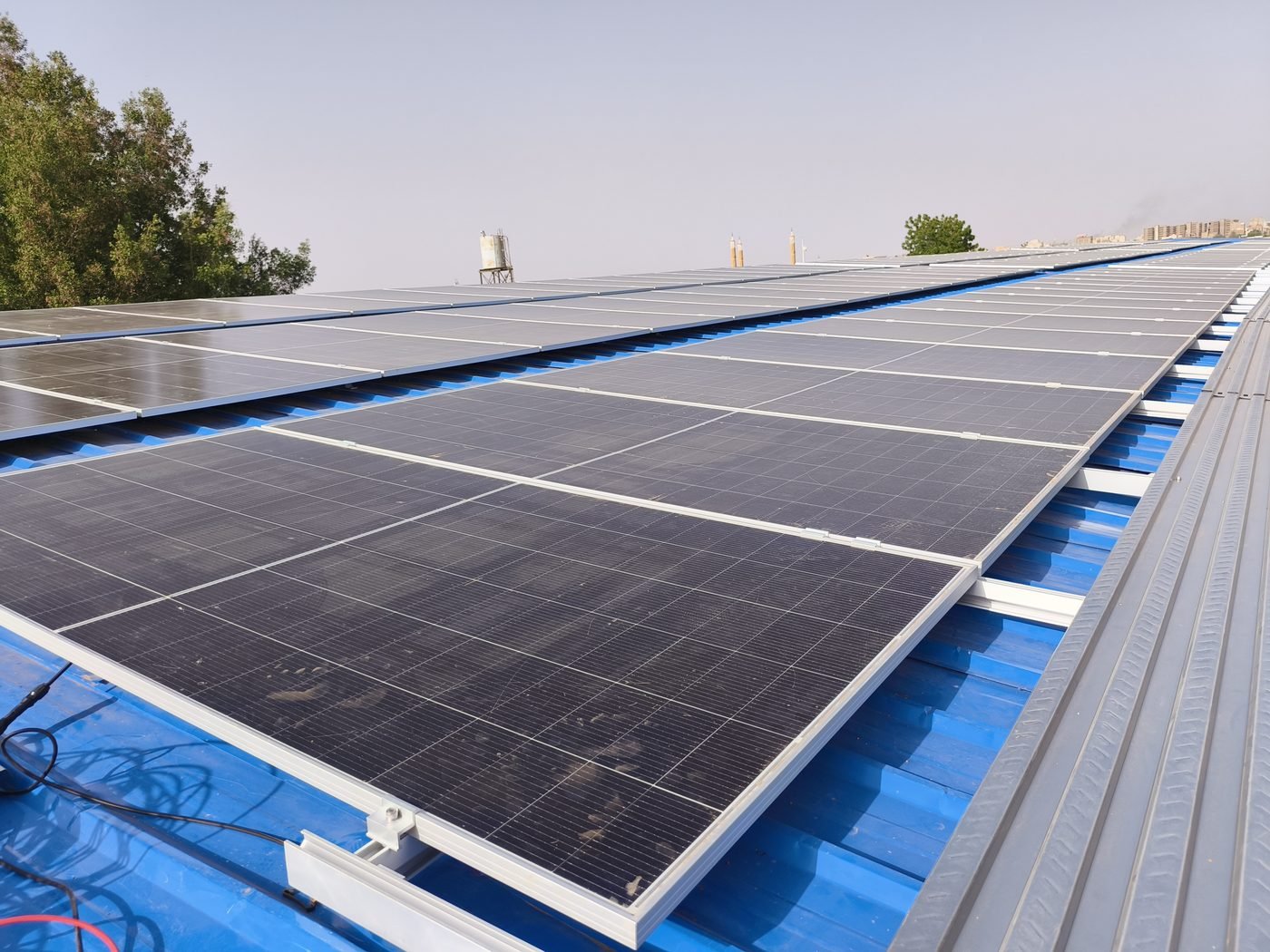
Treatment plants run continuous aeration, pumping and dosing loads, and an interruption of more than four hours risks process upset. A solar system for wastewater plant duty is therefore engineered for continuity first: the array covers daytime load while the 215kWh LFP bank rides through grid failures without a generator start. This Khartoum facility cut roughly $7,000 a month and confirmed payback at 12 months, which is what makes a solar system for wastewater plant duty one of the fastest-returning municipal projects we build. If you are costing a solar system for wastewater plant, send us your load profile and your latest electricity or fuel bills — we return a sized design, a landed quote and a payback model within 24 hours.
Free system design and ROI estimate within 24 hours — based on your actual electricity bills.