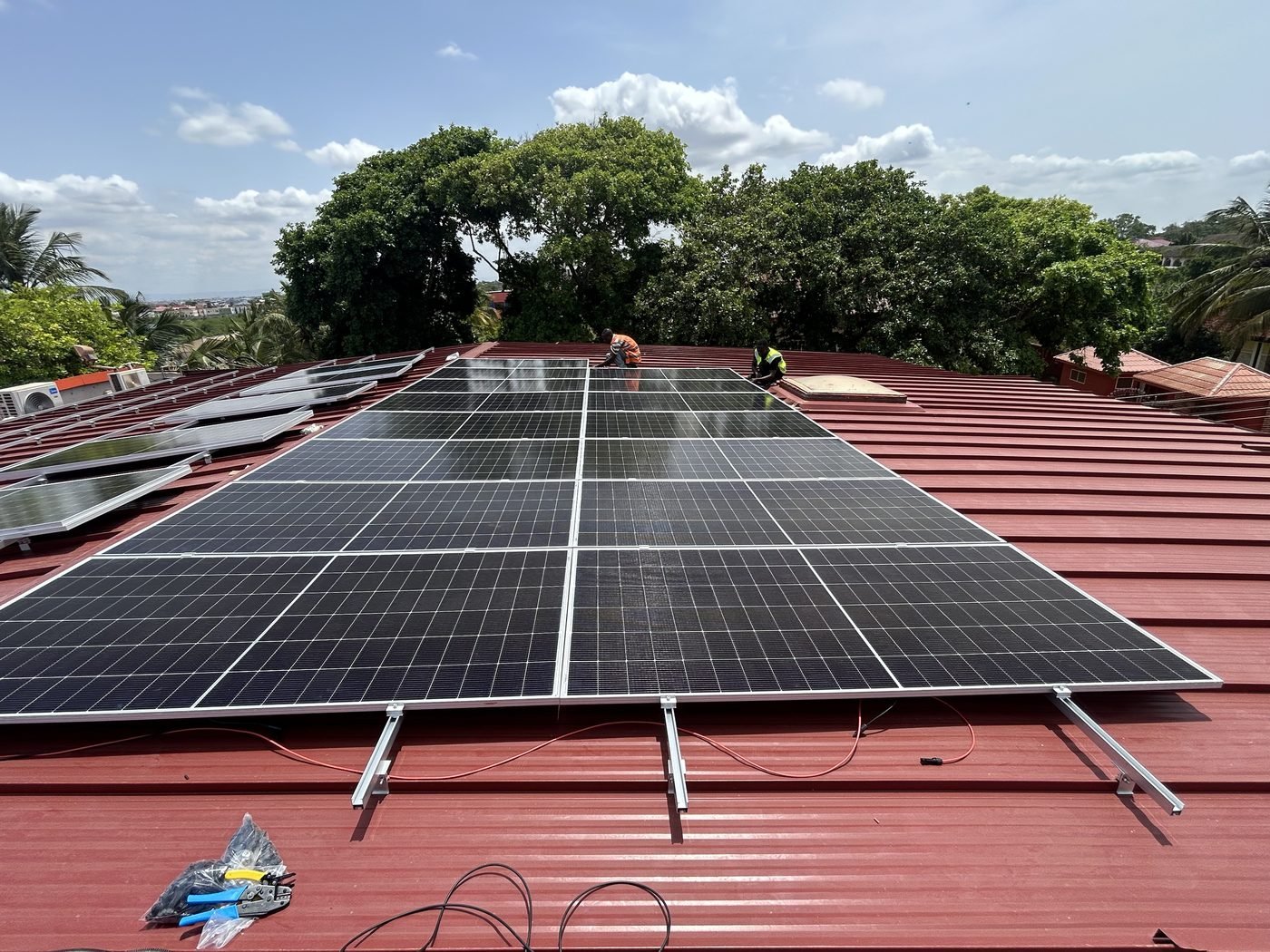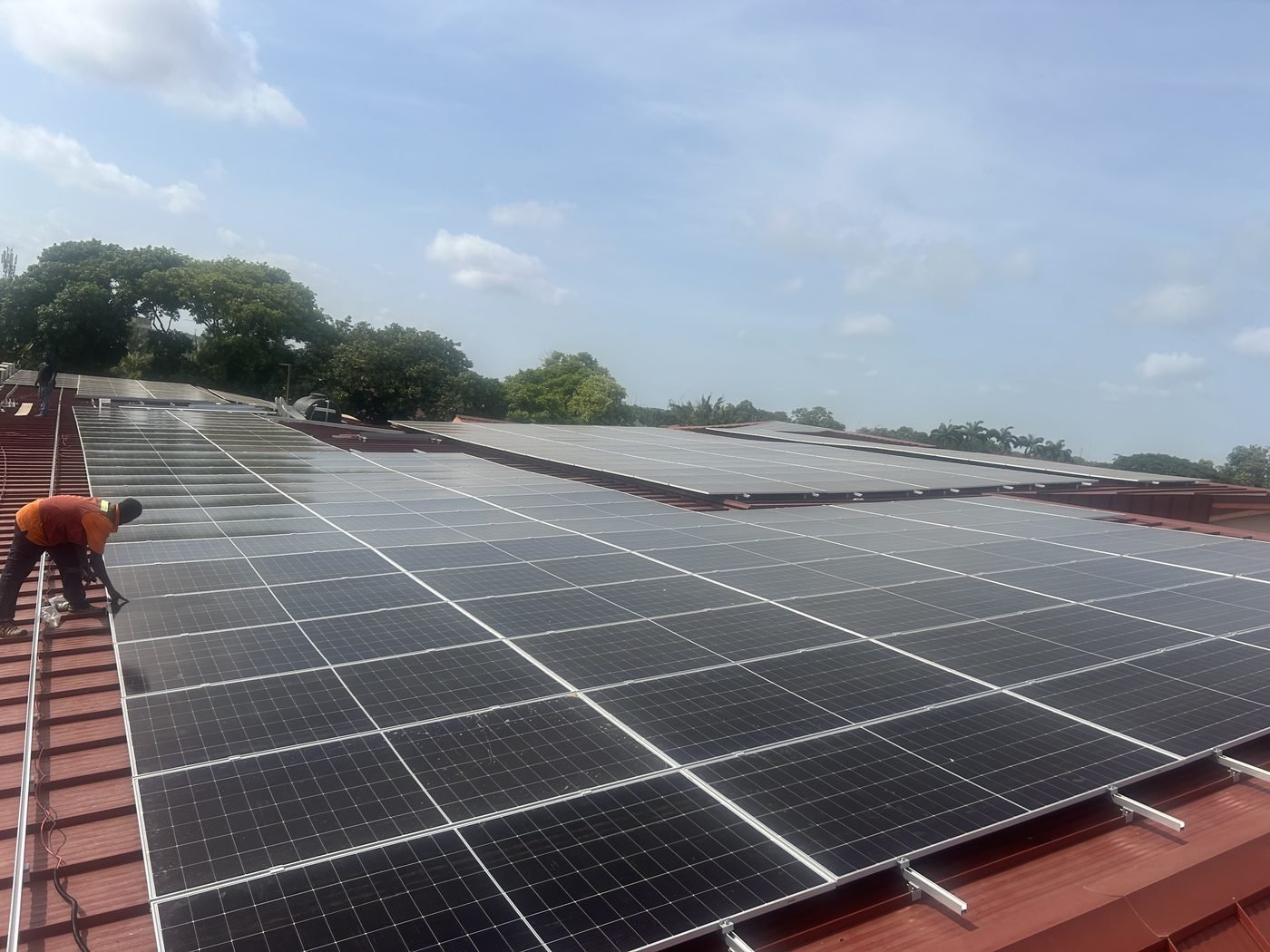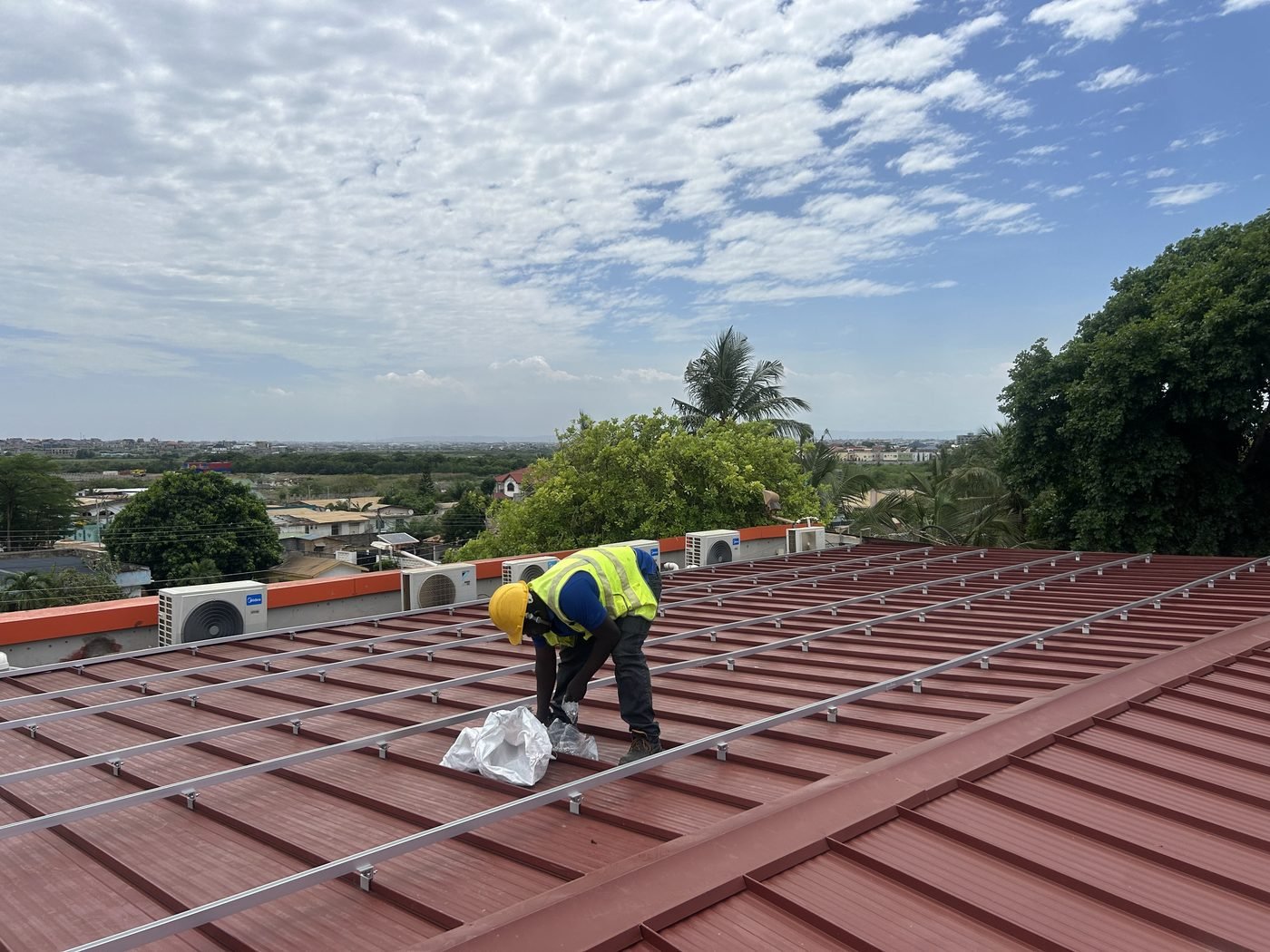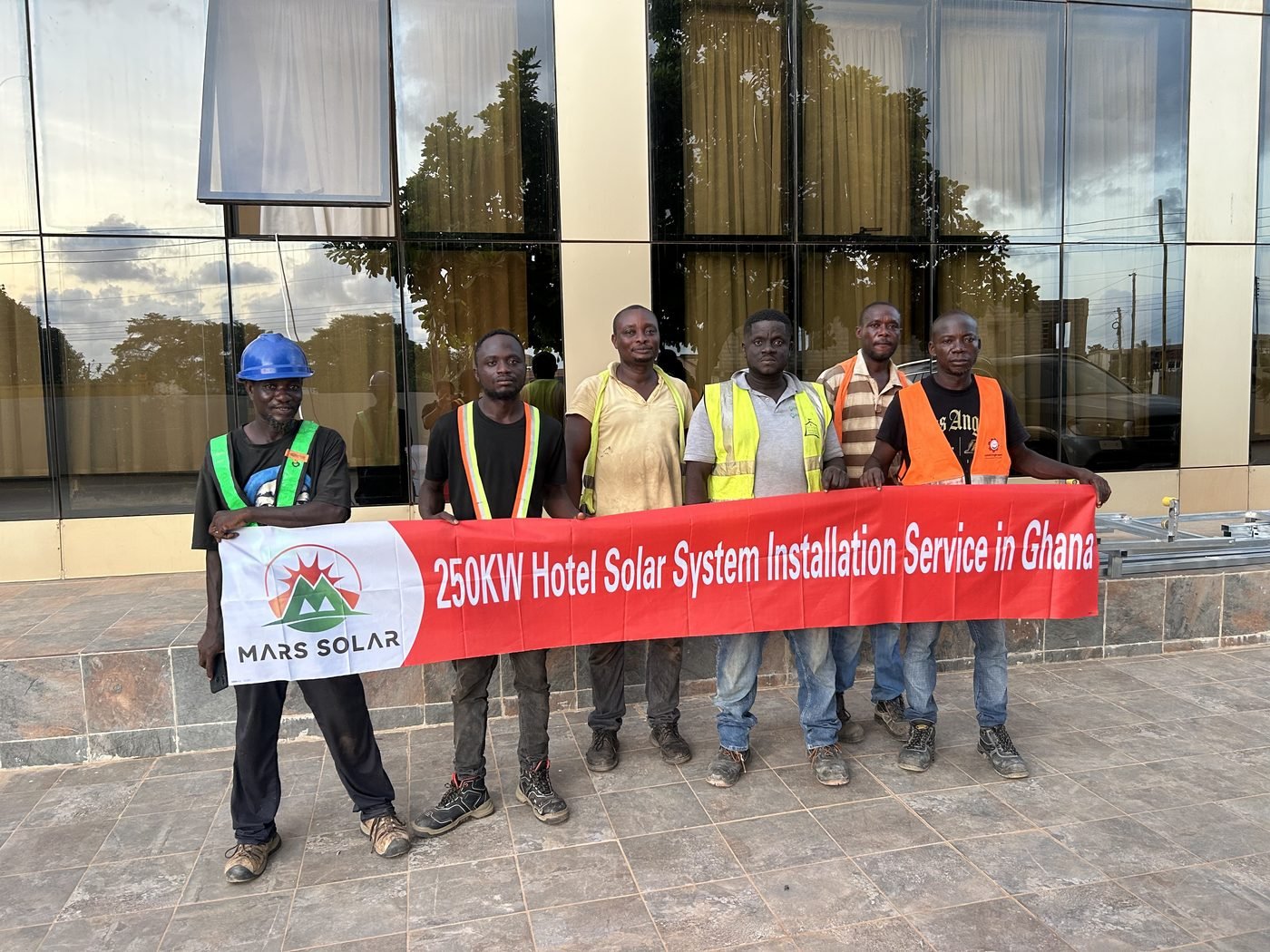
Ghana's businesses pay some of West Africa's highest effective power costs. ECG commercial tariffs run roughly GHS 2.5–3.5 per kWh (US$0.15–0.22) — and that is when the grid is actually on. Add the "dumsor" load-shedding years nobody wants to relive, and most serious businesses still keep a diesel generator: at today's fuel prices a generator produces electricity at $0.28–0.45 per kWh once you count fuel, oil, filters and overhauls. That gap is the whole business case for solar in Ghana, and it is why we ship complete systems to Tema every month. Below we break down the real solar system cost in Ghana for 2026, line by line.
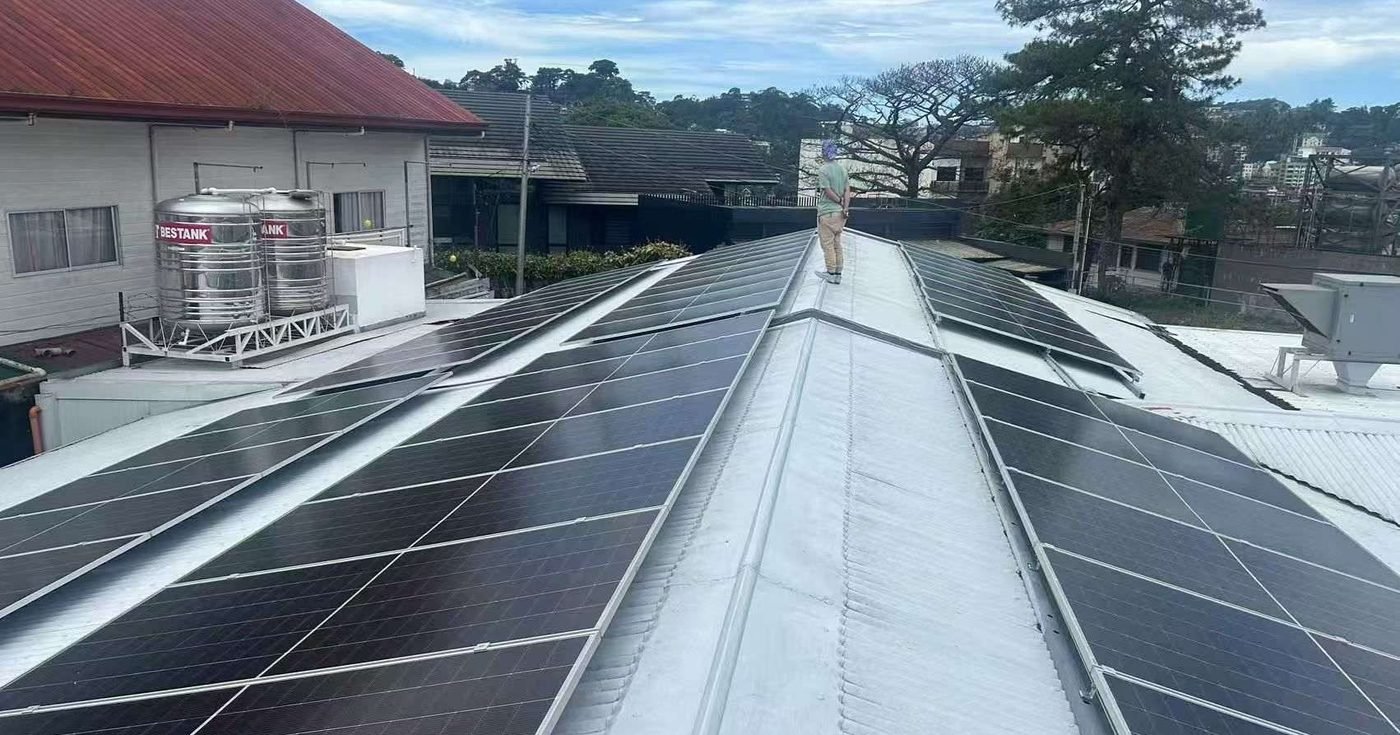
Solar System Cost in Ghana 2026: the Real Price Table
All prices are for complete, factory-tested systems — panels, hybrid inverter(s), LiFePO4 battery bank, mounting, cables and protection — from a Chinese manufacturer. "Landed + installed" adds sea freight to Tema, clearing and local installation labour. Treat these as 2026 planning estimates; your final quote depends on the load profile and battery autonomy you choose.
| System size | Panels (approx.) | EXW China price | Landed + installed (Accra/Tema) | Suits |
|---|---|---|---|---|
| 10kW | 18–20 × 550W | $5,500–7,500 | $8,500–11,500 | Shop, small office, borehole pump |
| 30kW | ~55 × 550W | $15,000–20,000 | $21,000–28,000 | Guesthouse, cold store |
| 50kW | ~90 × 550W | $24,000–32,000 | $33,000–43,000 | Bank branch, clinic, small hotel |
| 100kW | ~180 × 550W | $42,000–58,000 | $55,000–75,000 | Factory line, 40-room hotel, farm |
| 250kW | ~450 × 550W | $100,000–130,000 | $135,000–175,000 | Rice mill, cold storage, resort |
| 500kW | ~900 × 550W | $195,000–255,000 | $260,000–335,000 | Industrial plant |
Battery capacity is the biggest lever on that price: a system sized for daytime-plus-evening critical loads costs far less than one that must run your entire site through the night. A 50kW bank branch system like our Liberia 50kW bank project — same West African coastal climate, same duty profile — is a useful reference point for what a right-sized system looks like. As a rule of thumb, the solar system cost in Ghana at the 100kW level works out to $550–750 per kW installed.
What Drives the Price: the Cost Anatomy
For a typical 100kW hybrid system with one day of battery autonomy, expect the budget to split roughly like this:
| Component | Share of EXW cost | Notes |
|---|---|---|
| LiFePO4 battery bank | ~30% | The single biggest line item — and the one where fakes are most common |
| Solar panels | ~20% | Grade-A TOPCon mono cells; insist on flash-test reports |
| Hybrid inverter(s) | ~12% | Must match your 3-phase loads and generator input |
| Mounting + cables + protection | ~18% | Wind-rated structure; Ghana's coastal salt air demands the right finish |
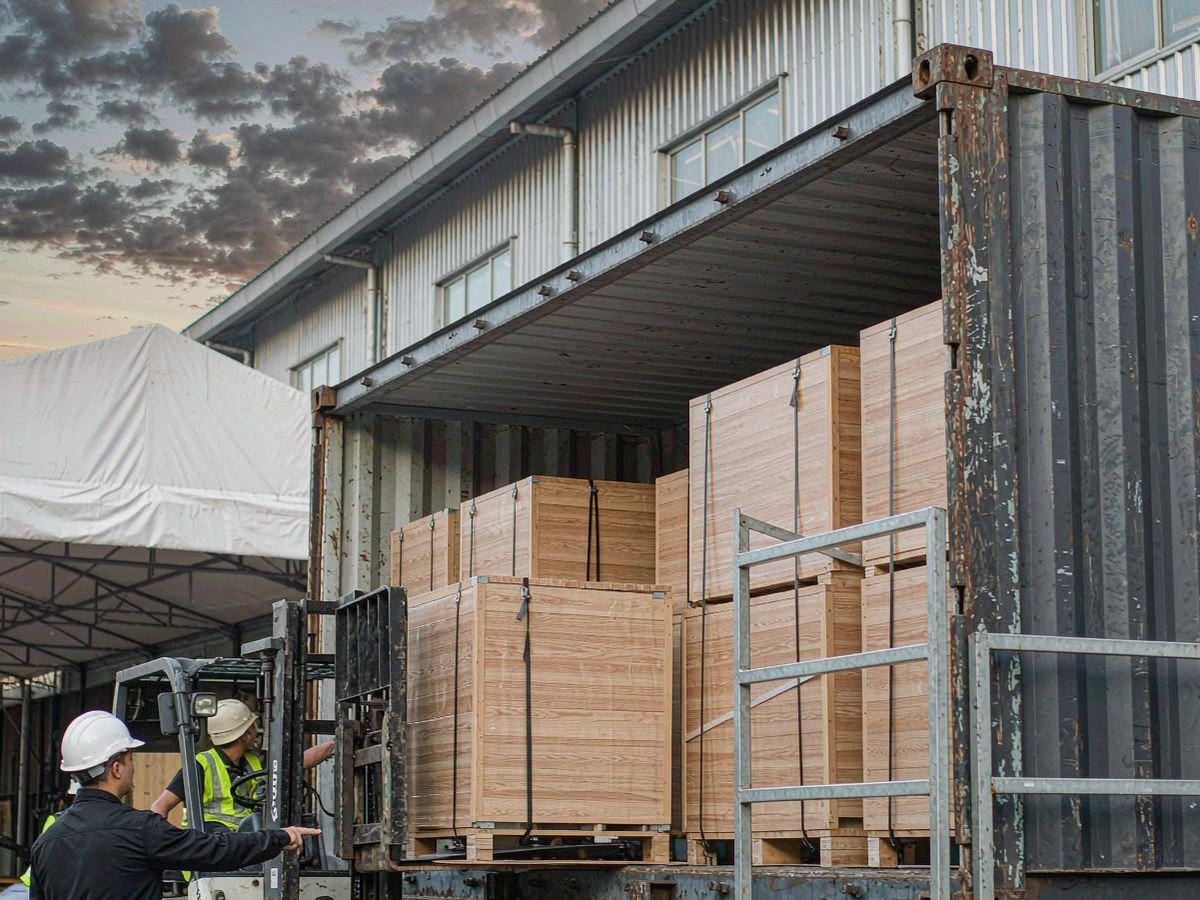
| Sea freight + clearing | ~12% | 20ft container to Tema, typical 4–6 weeks transit |
| Installation + commissioning | ~8% | Local electrical contractor with remote engineering support |
Import Duty and VAT: the Ghana Paperwork
Ghana has kept import duty at 0% on solar panels under its renewable-energy incentives (HS 8541.43), with inverters typically at 0–5% and batteries at 10–20% depending on classification. VAT treatment on solar equipment has changed several times since 2023 — so before you budget, confirm the current rates with a licensed clearing agent. What you can control from the factory side: clean HS coding, a commercial invoice that matches the packing list, and IEC test reports attached to the shipment. Mis-declared equipment is the number-one cause of clearance delays at Tema.
Solar vs Diesel in Ghana: the Actual Math
Take a 100kW system in Accra (about 4.8–5.0 peak sun hours): it generates roughly 150,000 kWh per year. If it displaces 70% of a diesel-dominated load, the numbers look like this — and they show why the solar system cost in Ghana is recovered so quickly against diesel:
| Line | Diesel generator | Hybrid solar + battery |
|---|---|---|
| Cost per kWh produced | $0.28–0.45 | $0.04–0.06 amortized over 25 years |
| Annual energy cost (105,000 kWh displaced) | $29,000–47,000 | $4,000–6,500 |
| Fuel logistics | Weekly deliveries, price spikes | None |
| Maintenance | Oil, filters, overhauls every run-hours | Panel wash-down, annual inspection |
| Payback on a $55,000–75,000 system | — | Typically 2–4 years |
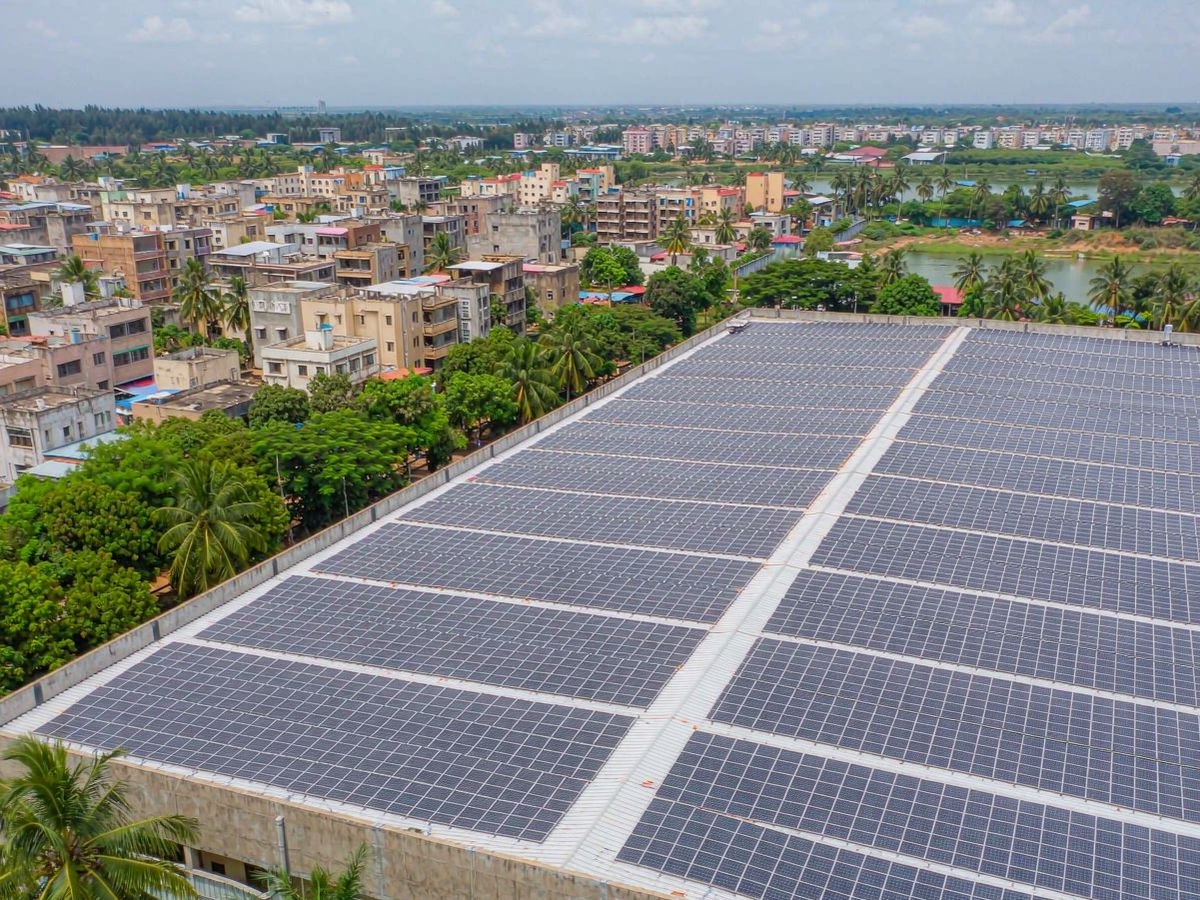
After payback, the system keeps producing for another 15–20 years at near-zero marginal cost. Panels carry a 25-year linear power warranty; quality LiFePO4 banks are rated 6,000+ cycles at 80% depth of discharge — about 12–16 years of daily cycling before they still hold 80% capacity.
Battery or No Battery?
A grid-tied system is cheapest per kW but does nothing during an outage — a poor fit where outages are the reason you bought solar in the first place. A hybrid system with a LiFePO4 bank costs 25–40% more and covers you through dumsor-style interruptions, with your existing generator demoted to last-resort backup that the inverter starts and stops automatically. For most Ghanaian businesses the hybrid configuration is the right call — we compared the three architectures in detail in Off-Grid vs Hybrid vs On-Grid Solar, and the logic holds across the border. If you are weighing battery-heavy designs, our BESS cost and import guide walks through battery sizing and pricing line by line.
Timeline: From Order to Commissioning
- Week 1 — Load audit and design. Send 12 months of bills or a generator fuel log; engineering returns a system design and ROI model within 24–48 hours.
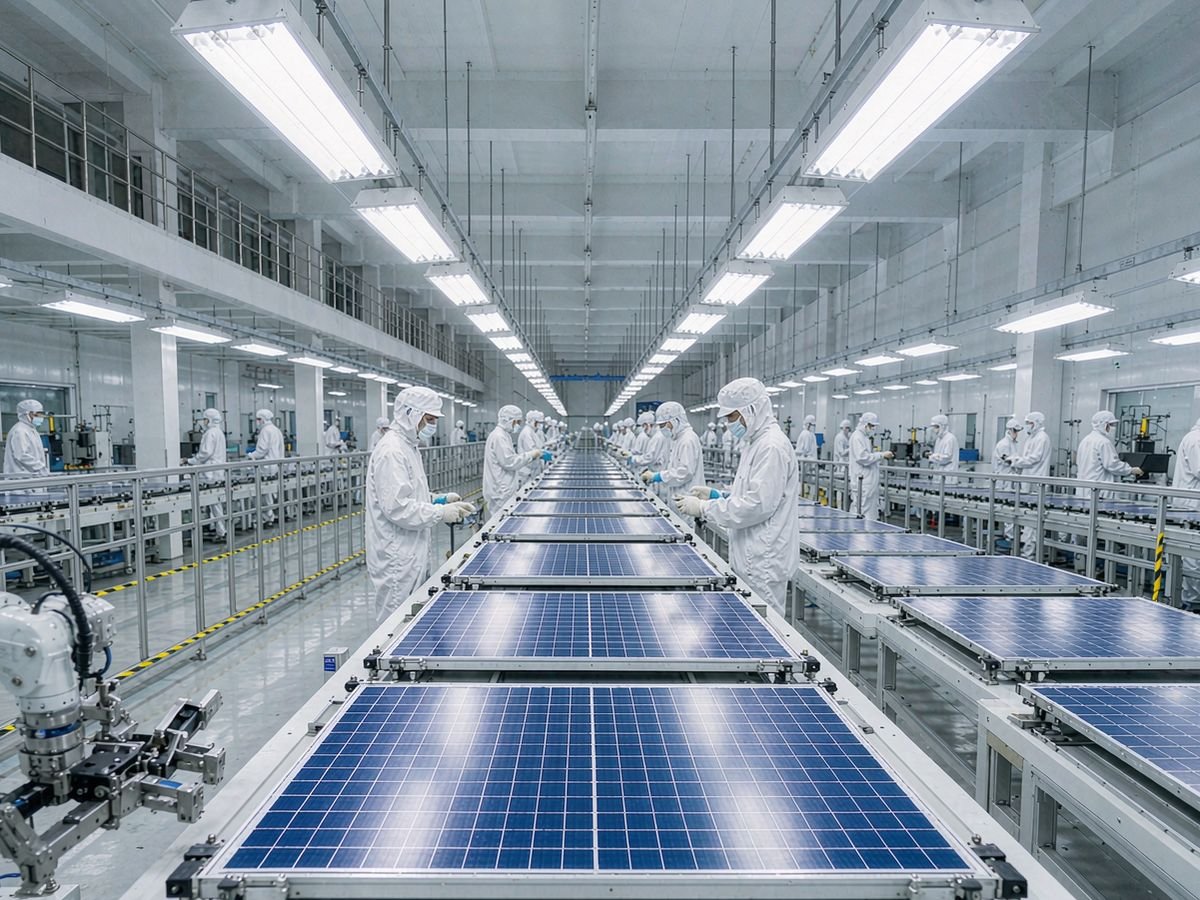
- Weeks 2–5 — Production and testing. Assembly plus a 72-hour full-system burn-in test before packing; you get test photos and videos.
- Weeks 5–10 — Shipping and clearing. Sea freight to Tema 4–6 weeks, clearing 1–2 weeks with a broker.
- Weeks 10–14 — Installation and commissioning. Two to four weeks of installation with remote engineering support, then handover with monitoring access.
Three Classic Ghana Import Mistakes (and How to Avoid Them)
- Ghost-capacity batteries. Batteries labeled 200Ah that deliver 60Ah. Demand cycle-life test reports and, ideally, third-party verification — this is exactly what our 7-step factory audit checklist is for.
- Recycled-cell panels sold as Grade A at 20% below market. If a price looks too good, ask for the flash-test data sheet per module.
- No installation plan before shipment. The hardware is half the project; line up your electrical contractor and roof/structure assessment before the container leaves China. Our supplier selection guide covers which commitments to get in writing.
If you want the numbers run on your own building, send your latest ECG bill or a month of generator fuel logs — we size the system, model the diesel savings and quote complete 50–500kW systems with landed-to-Tema pricing, free of charge. That way you get the exact solar system cost in Ghana for your site, not a generic estimate, within 24 hours.