
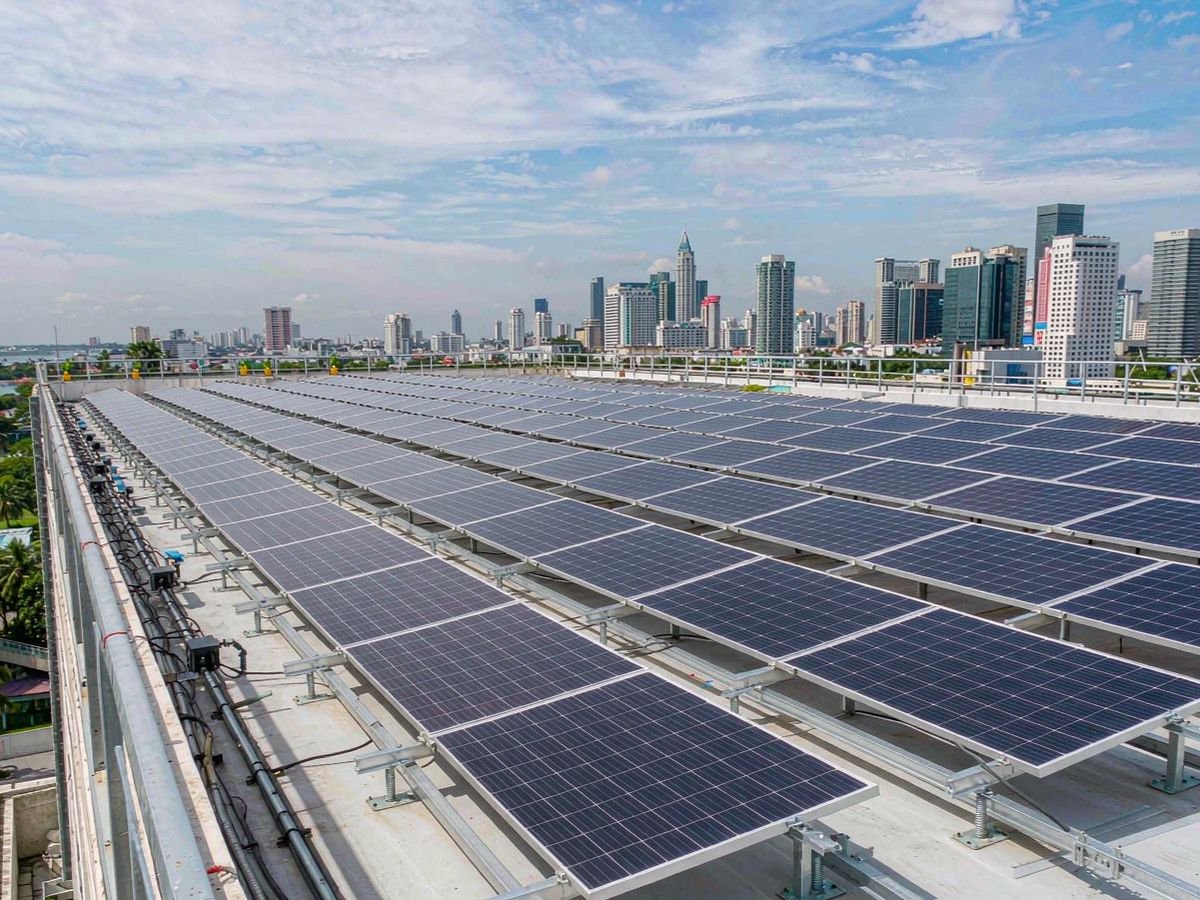
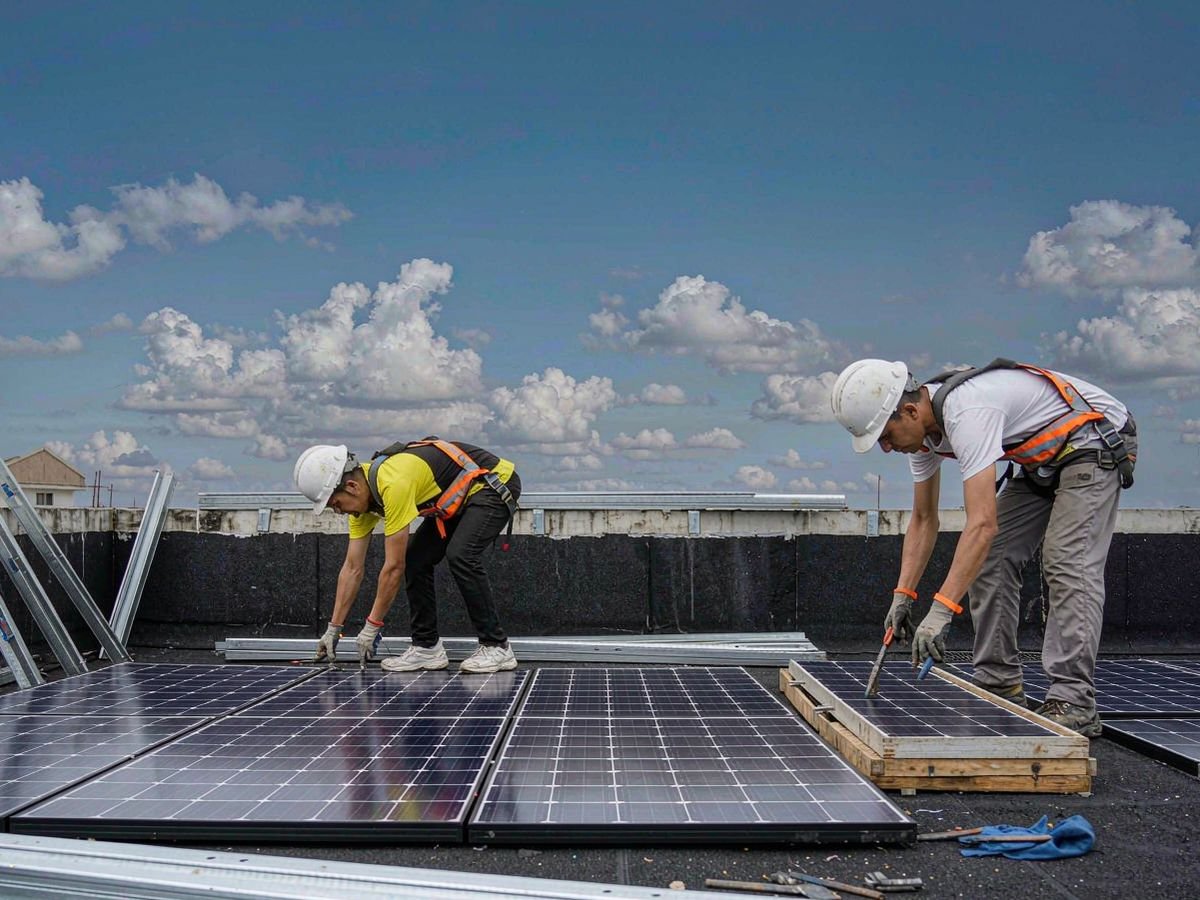
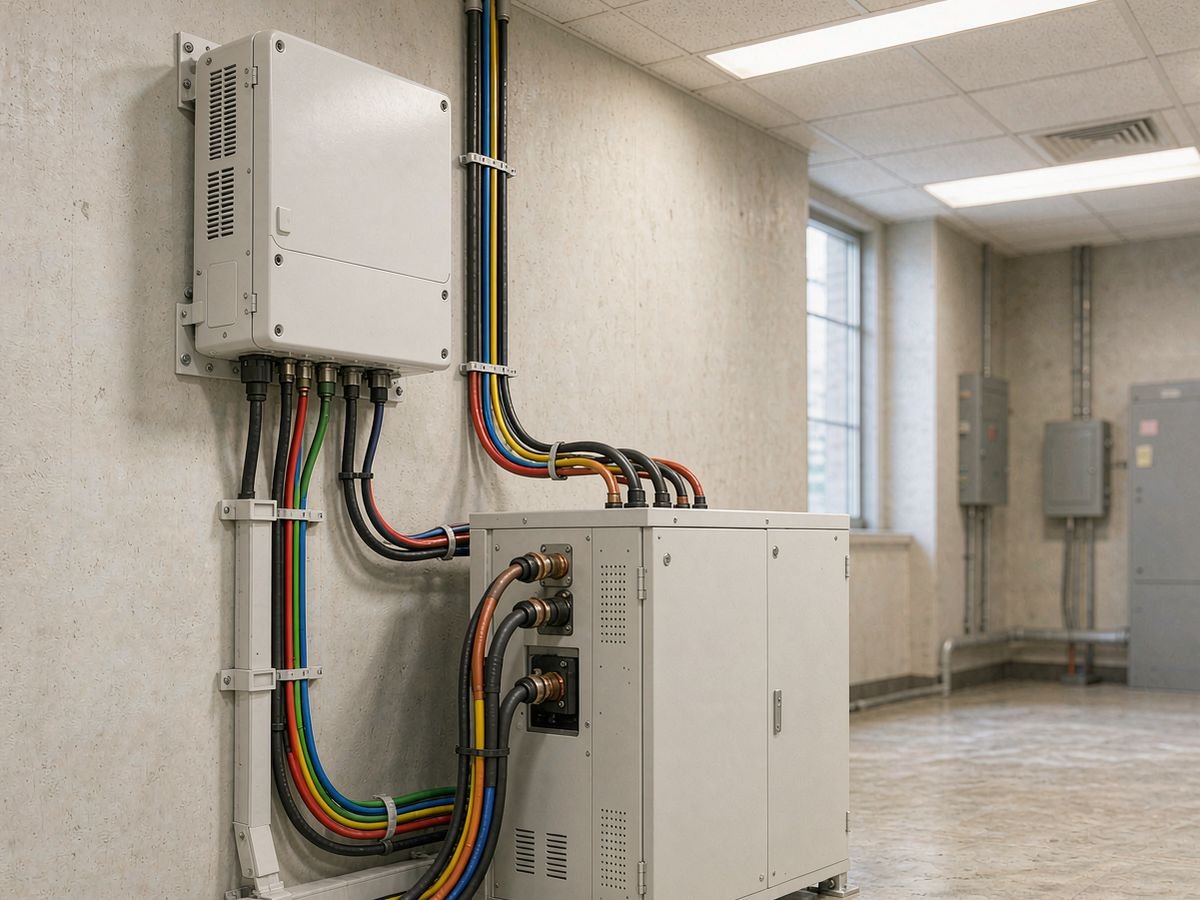
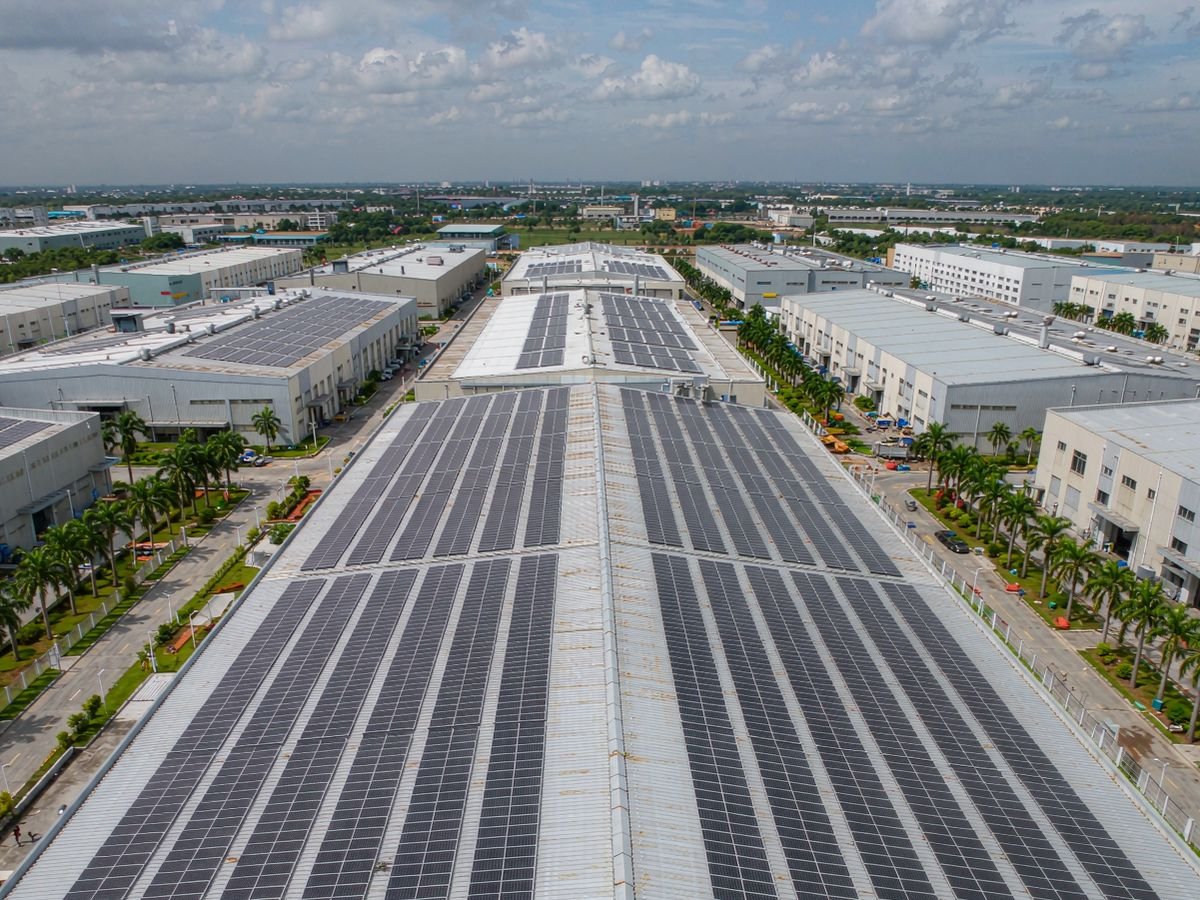
A 100kW commercial solar power system in the Philippines costs ₱4.5M–6.5M turnkey in 2026 — ₱33,500–38,000 per kW installed — and pays back in 2–4 years. That is a grid-tied system sized against Meralco's ₱14.78/kWh, with net metering approval now inside 10 working days. Below: the solar power system price in the Philippines by size, the costs that stay out of a quotation, and how to verify a supplier's numbers before signing.
Three forces collided in 2025–2026: the Philippines now has the highest electricity prices in Southeast Asia (Meralco's rate rose from ₱12.95 to ₱14.78/kWh in eight months), global panel oversupply pushed hardware to historic lows, and the April 2026 DOE circular cut net metering approval to 10 working days while lifting the commercial cap from 100kW to 1MW.
Solar Power System Price in the Philippines by Size (2026)
These are grid-tied turnkey figures (panels, inverter, mounting, permits, commissioning), compiled from real installer quotes. Metro Manila runs 10–15% above the provinces — but Meralco's rates are also the highest, so payback is fastest there.
| System Size | Typical Installed Cost | Best For |
|---|---|---|
| 20–30kW SME | ₱750,000 – ₱1.5M | Clinics, schools, SMEs |
| 50–100kW commercial | ₱2M – ₱4.5M | Warehouses, factories |
| 100kW – 1MW industrial | ₱4.5M – ₱6.5M per 100kW | Large factories, malls, condos |
If a quote looks unusually cheap, check what was left out — mounting quality, protection devices and permit processing are the three most common omissions.
Costs That Hide in a Commercial Solar Quotation
Two quotes for the same array size can still diverge sharply. Four line items are the usual reason:
- Grid application and net metering paperwork. The April 2026 circular compressed approval to 10 working days, but only for a complete package — drawings, single-line diagram, inverter certification and LGU/CFEI clearances. Professional fees sit outside the per-kW figure.
- Structural reinforcement. An older warehouse roof in a typhoon belt may need purlin bracing or re-roofing — civil work, not PV hardware.
- Operations and maintenance. Cleaning in a humid, dusty climate, string monitoring and inverter servicing recur every year.
- Insurance and warranty logistics. Typhoon and fire cover, plus freight for warranty claims, rarely appear in the first quote.
Ask for each as a separate, itemised line. A supplier that prices them openly is almost always cheaper than one that discovers them after signing.
Why Philippine Rates Make Solar Pay Back Fast
The Philippines runs on imported coal and gas, so your bill tracks global fuel prices and the peso-dollar rate. Brent touching $119.50/barrel in March 2026 and the peso weakening past ₱60/USD fed directly into the 14.2% rate climb. Provincial cooperatives in diesel-dependent areas charge ₱14–16/kWh or more. Every peso the grid rate climbs shortens your payback — and that pressure is exactly why the solar power system price in the Philippines keeps beating the grid.
The 2026 Net Metering Rule That Changed Everything
| Item | Before | After (Apr 2026) |
|---|---|---|
| Utility approval | 30–90 days, no deadline | 10 working days, else deemed approved |
| LGU permit / CFEI | 2–4 weeks | 3 working days |
| Commercial capacity cap | 100kW | 1MW (tenfold) |
One caution: exports are credited at the blended generation rate (~₱9.25/kWh), not retail (~₱14.83/kWh). A self-consumed kWh is worth close to double an exported one — size the system to your daytime load, or add a BESS to shift solar into the evening. Our 60kW + 120kWh Palawan resort project cut its monthly bill from ₱145,000 to ₱25,000 — an 83% reduction.
Net Metering Timeline and Document Checklist
The April 2026 circular turned net metering from an open-ended wait into a schedule. For a commercial grid-tied project the sequence now runs like this:
- Day 0–3: LGU permit and CFEI processed within 3 working days.
- Day 0–10: utility reviews the application; if the window is missed, the application is deemed approved.
- Before energisation: inverter certification, test reports, single-line diagram and the metering arrangement signed off.
- After commissioning: bidirectional meter installed and export credits applied at the blended generation rate (~₱9.25/kWh).
Package checklist: signed application form, system design and single-line diagram, module and inverter datasheets with certification, electrical and structural clearances, proof of LGU/CFEI permit, and the licensed electrician's sign-off. An incomplete package is the single most common reason the 10-day clock restarts.
How to Verify a Supplier's Quote Before You Sign
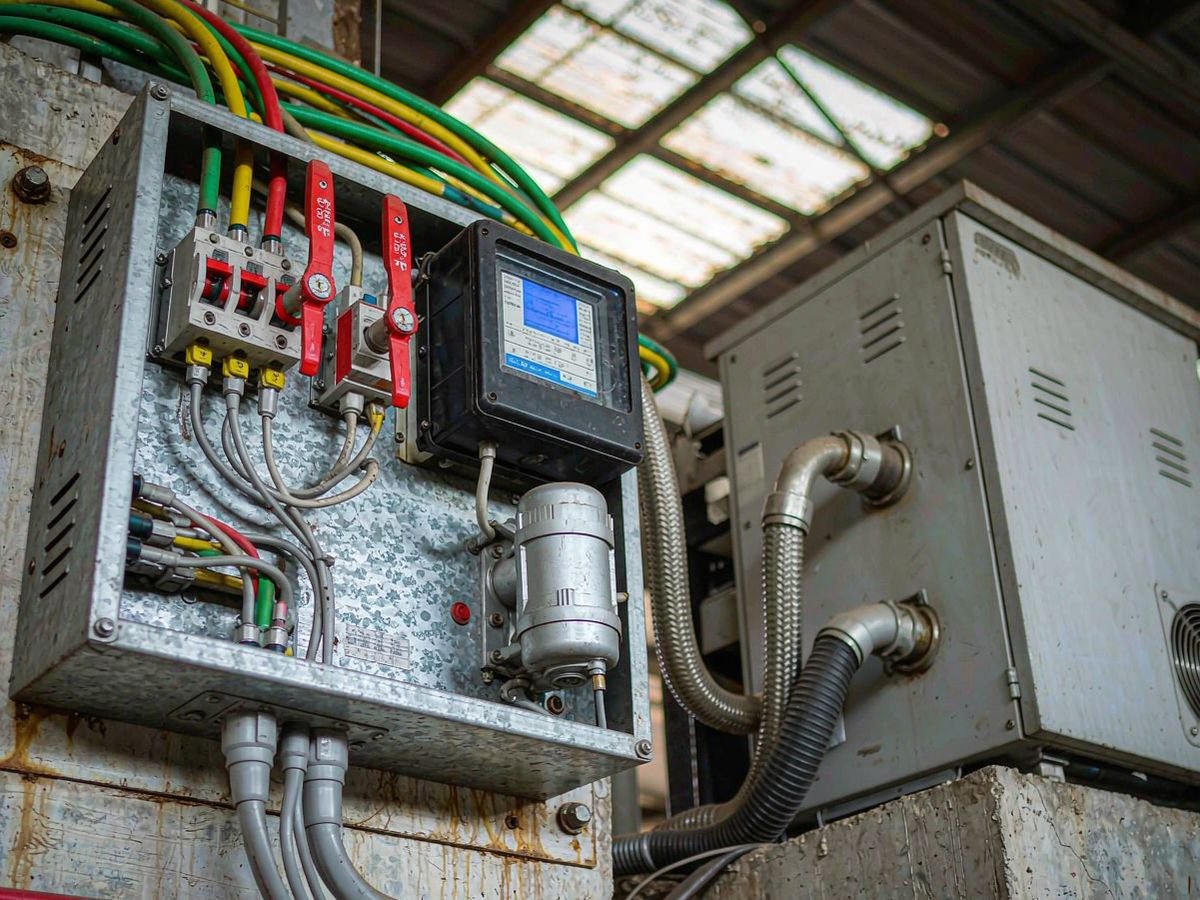
A credible turnkey number can be checked line by line. Start with the configuration list: array size in kWp, module count, inverter model and rating, mounting, cable sizes, protection devices and the metering interface. When two quotes differ sharply, the gap usually sits in that list rather than in module prices.
Then confirm four things in writing:
- Exact models, not brand names. Verify the inverter carries the certification your utility accepts for grid connection.
- A single-line diagram that matches the physical layout you will receive — string configuration, combiner boxes, isolation points.
- Warranty terms. Product and workmanship years, who pays freight, and response time for a site visit.
- Scope boundaries. Who files the net metering application and the LGU permit, and what is excluded.
Our 7-point supplier audit covers procurement, the commercial sizing guide shows how to check the proposed array against your load profile, and the solar import guide covers duties and compliance if you bring in hardware yourself.
Payback You Can Expect
- Commercial: 2–4 years (2.3-year average in 2026, down from 3.0)
- Industrial: 3.1-year average, improving with every rate rise
- Rooftop capacity nearly doubled from ~721MW (early 2025) to ~1,300MW (April 2026) — the market has already voted.