
Rice mills, feed plants and cold rooms are the fastest-payback solar projects in Nigeria — not because the equipment is cheaper, but because these loads run in daylight and currently burn diesel to do it. This guide covers how to size a solar system for agro-processing, what it costs in 2026, and the import paperwork that stops projects stalling at the port.
Three things set agro-processing apart from a typical commercial building. First, the load is heavy and mechanical — huskers, hammer mills, pelletizers and compressors — so the electricity bill is a production cost, not an overhead. Second, most of that load runs between 8am and 6pm, which is exactly when a solar array produces. Third, the alternative is diesel at roughly $0.30–0.60 per kWh all-in, several times the cost of solar output.
That combination is why a solar system for agro-processing pays back in months rather than years. Our Abuja rice mill project replaced $5,000–11,000 of monthly diesel with sunlight and stored energy and confirmed payback at 14 months. A cold room or poultry house, where the load never stops, shows a similar curve — the compressor simply runs off the array by day and the battery at night.
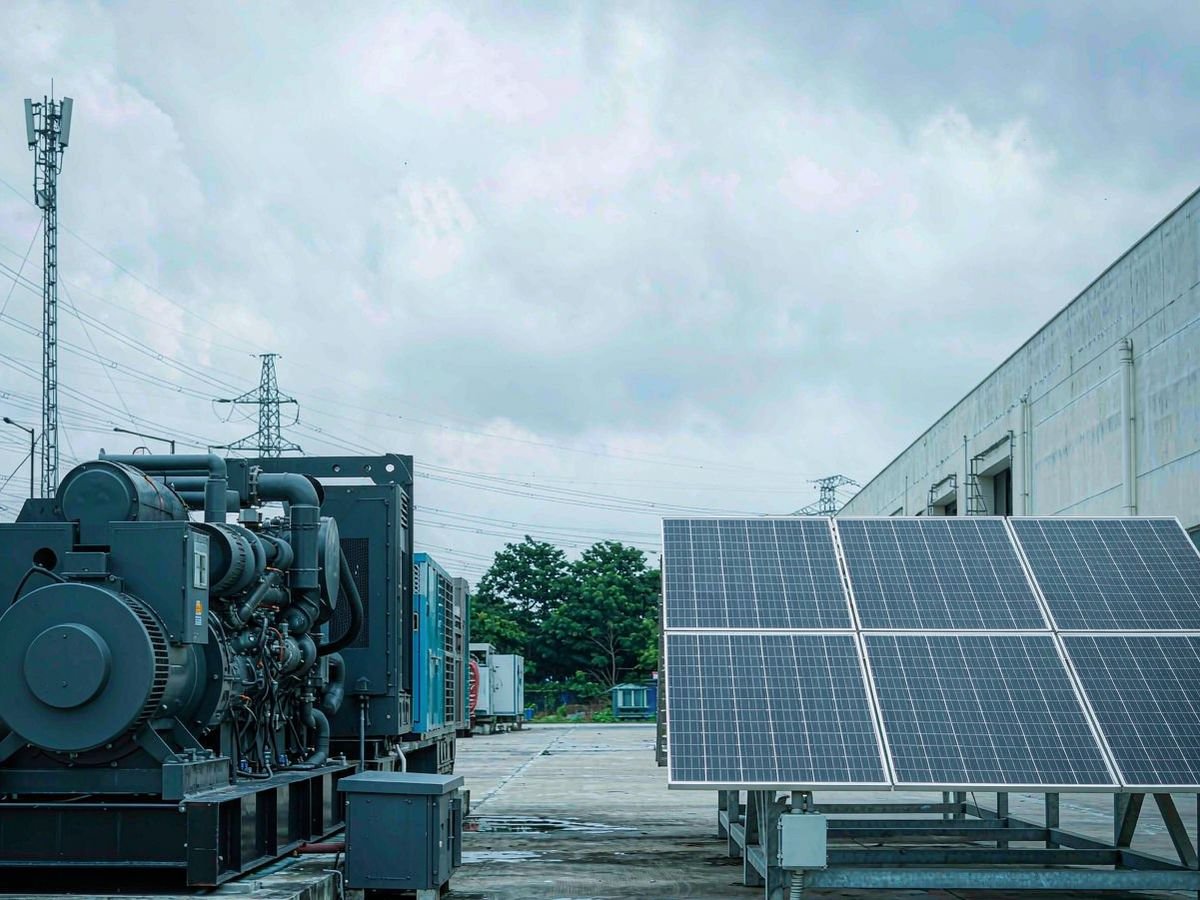
A solar system for agro-processing is not sized from floor area or from the nameplate on the biggest motor. It is sized from three numbers: running load, motor starting demand, and how long the process has to keep going after sunset. Here is how the main agro-processing loads compare.
| Facility | Dominant loads | Operating window | Storage need |
|---|---|---|---|
| Rice mill | Huskers, polishers, destoners, dryers | 8–12 h, mostly daytime | 3–5 h evening shift |
| Feed mill | Hammer mills, mixers, pelletizers, conveyors | 8–10 h daytime | Motor-starting support, short autonomy |
| Cold room / cold store | Compressors, condensers, evaporator fans | 24 h, continuous | 8–12 h overnight |
| Poultry / hatchery | Brooders, fans, pumps, feed lines | 24 h, climate-critical | 6–10 h plus generator backup |
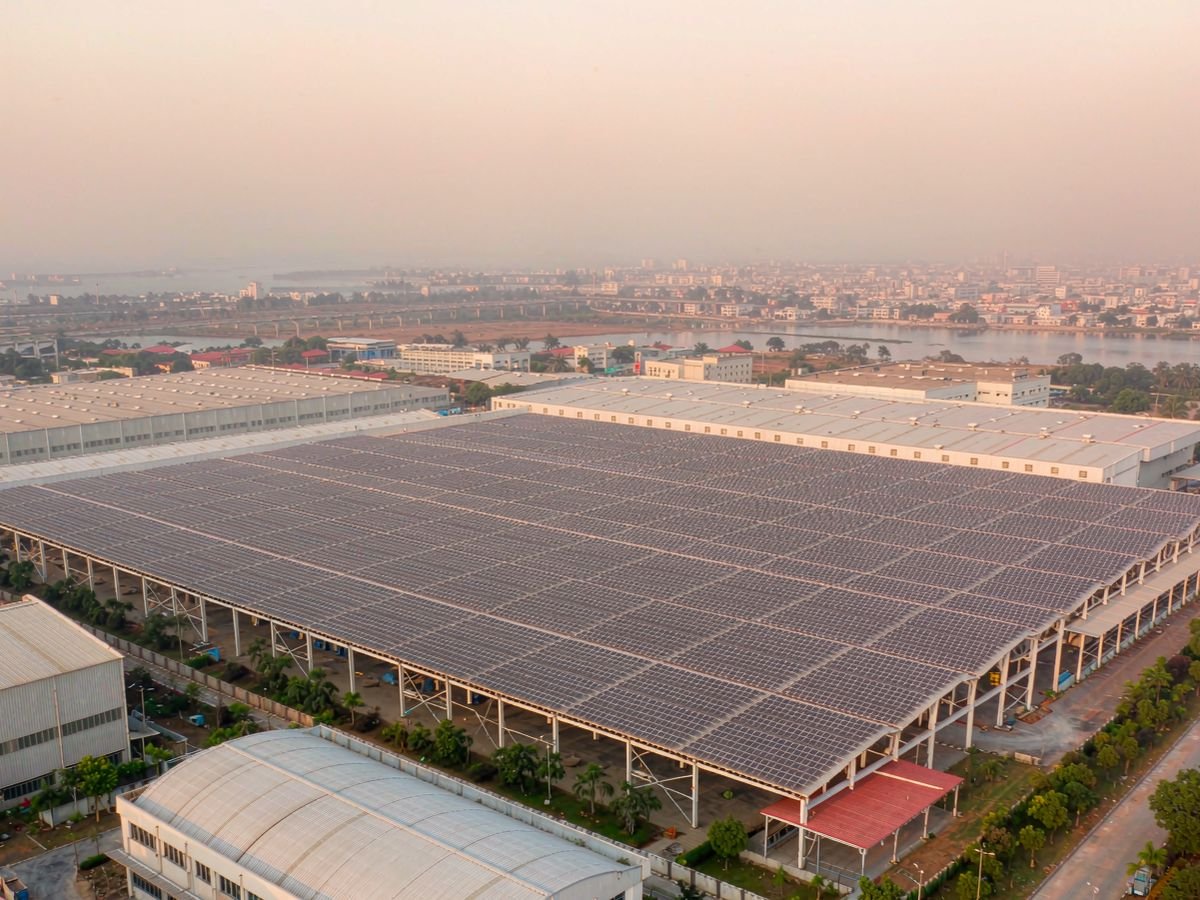
Done properly, a solar system for agro-processing is specified against a load profile rather than a rule of thumb — which is also why two quotes for the same "100kW" can differ by 40%.
| Cost factor | Typical figure (2026) |
|---|---|
| Solar modules | $0.28–0.48 per watt FOB, tier-1 supply |
| Sea freight & landed cost | Typically +20–35% over FOB to Lagos |
| Storage share | 35–50% of total system cost where batteries are included |
| Verified reference: 100kW + 215kWh | CIF $88,000–115,000 |
| Verified reference: 500kW + 1MWh | CIF $390,000–480,000 |
| Payback | Under 18 months replacing diesel; 3–5 years against grid power |
The payback math for agro-processing is unusually simple, because the baseline is visible: take the monthly diesel bill, subtract the cost of grid or solar energy for the same output, and the difference services the investment. At the Abuja rice mill that difference averaged over $8,000 a month against a $5,000–11,000 fuel bill.
For country-level landed-cost math, read the BESS import and payback guide for Nigeria, and see the diesel vs solar cost breakdown for how the same hardware behaves on industrial cycles.
Agro-processing sites are hard on equipment: dust, humidity, insects and a rainy season that runs for months. Three specifications matter more than brand names.
| Item | What to insist on |
|---|---|
| Inverter | Rated for motor starting, 3-phase output, diesel-genset compatible on the AC input |
| Battery | LFP cells with 6,000+ cycles at 80% DoD, integrated BMS with CAN/RS485 and temperature protection |
| Enclosure | IP-rated cabinets and air cooling; for coastal sites, IEC 61701 salt-mist certified modules |
| Documentation | IEC 61215 / 62619 certificates, UN38.3 transport reports, MSDS and test reports with the shipment |
A solar system for agro-processing built on those four lines lasts through the wet season; one built on price alone usually shows its first rusted connector and failed BMS before the first rainy season ends. Certification details are covered in the solar certification explainer.
SONCAP certification has to be arranged before shipment, not after arrival. Get it wrong and the container sits at the port accruing demurrage while the mill keeps buying diesel. The rest of the file is routine: commercial invoice, packing list, bill of lading, and UN38.3 reports plus MSDS for the battery cabinet.
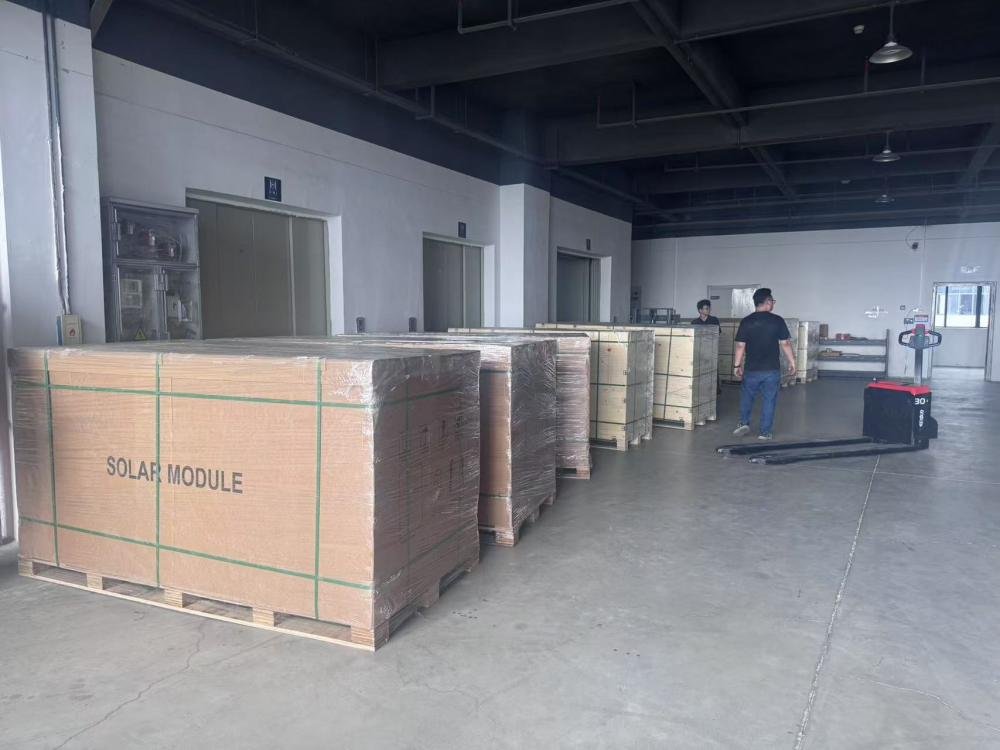
Panels, inverters, mounting and battery cabinets are commonly consolidated into one container to spread freight cost, with batteries packed to UN38.3 requirements. Sea freight to Lagos runs 20–35 days, and the whole order-to-commissioning window is typically 4–12 weeks including a 72-hour continuous test on the BESS before it leaves the factory.
Sizing from nameplate power. A 200kW of connected motors rarely draws 200kW. The inverse mistake — sizing on kWh alone and ignoring starting current — is more common and more expensive, because the inverters trip whenever the mill starts.
Under-budgeting storage for the rainy season. Battery autonomy is usually calculated on a good solar day. Plan for consecutive cloudy days and the system keeps working in August as well as January.
Comparing headline price instead of bill of materials. Module class, inverter brand, mounting and cable spec are where two "identical" quotes diverge. Ask for the datasheets — the sizing guide walks through the comparison.
Get those three right and a solar system for agro-processing becomes the least interesting item on the balance sheet: it simply produces power at a fixed cost for the next two decades. For a worked sizing example, see our 200kW rice mill case study.
For global module price direction, the IEA solar PV market track is a neutral reference.
Free system design and ROI estimate within 24 hours — based on your actual electricity and fuel bills.