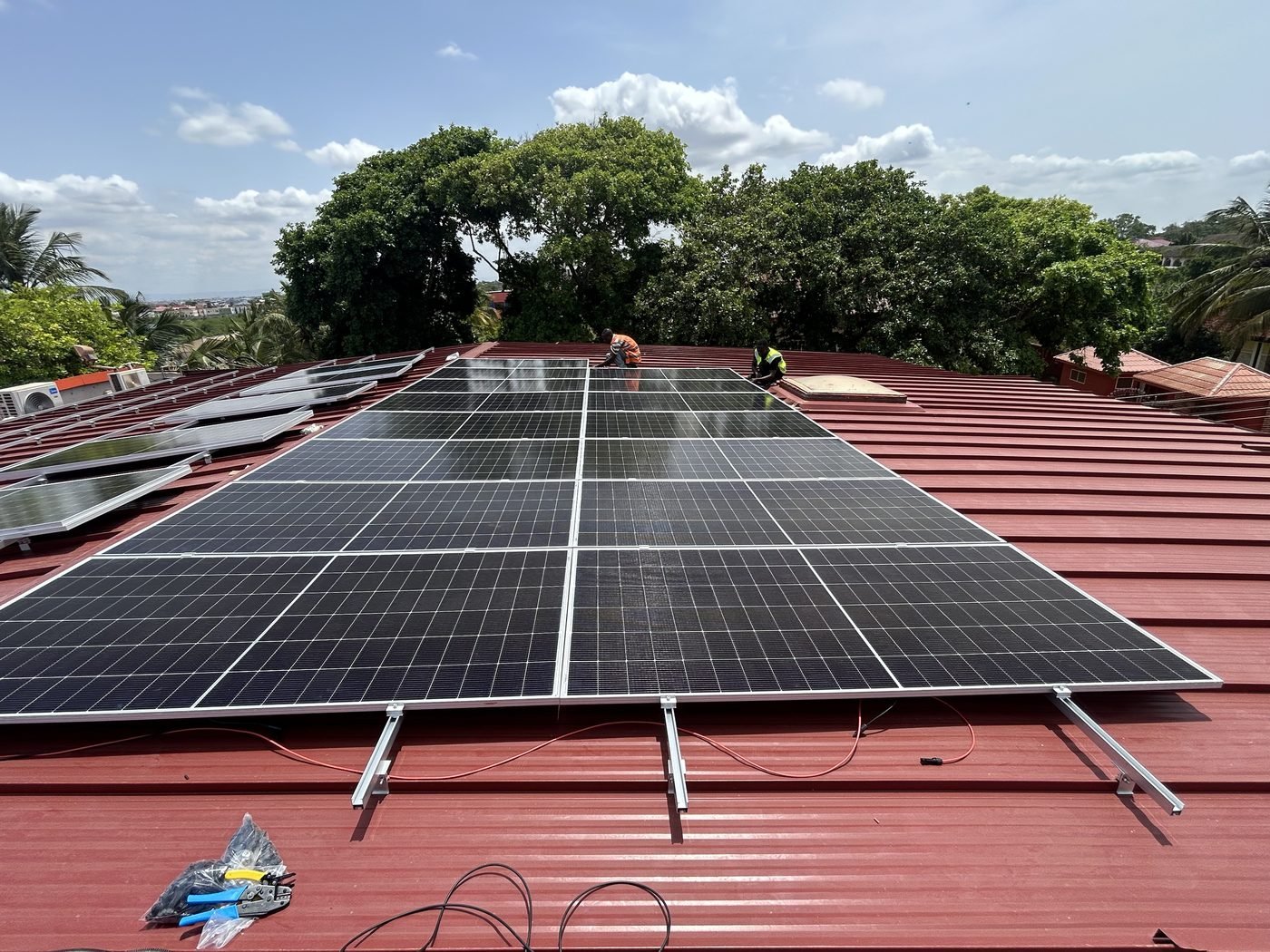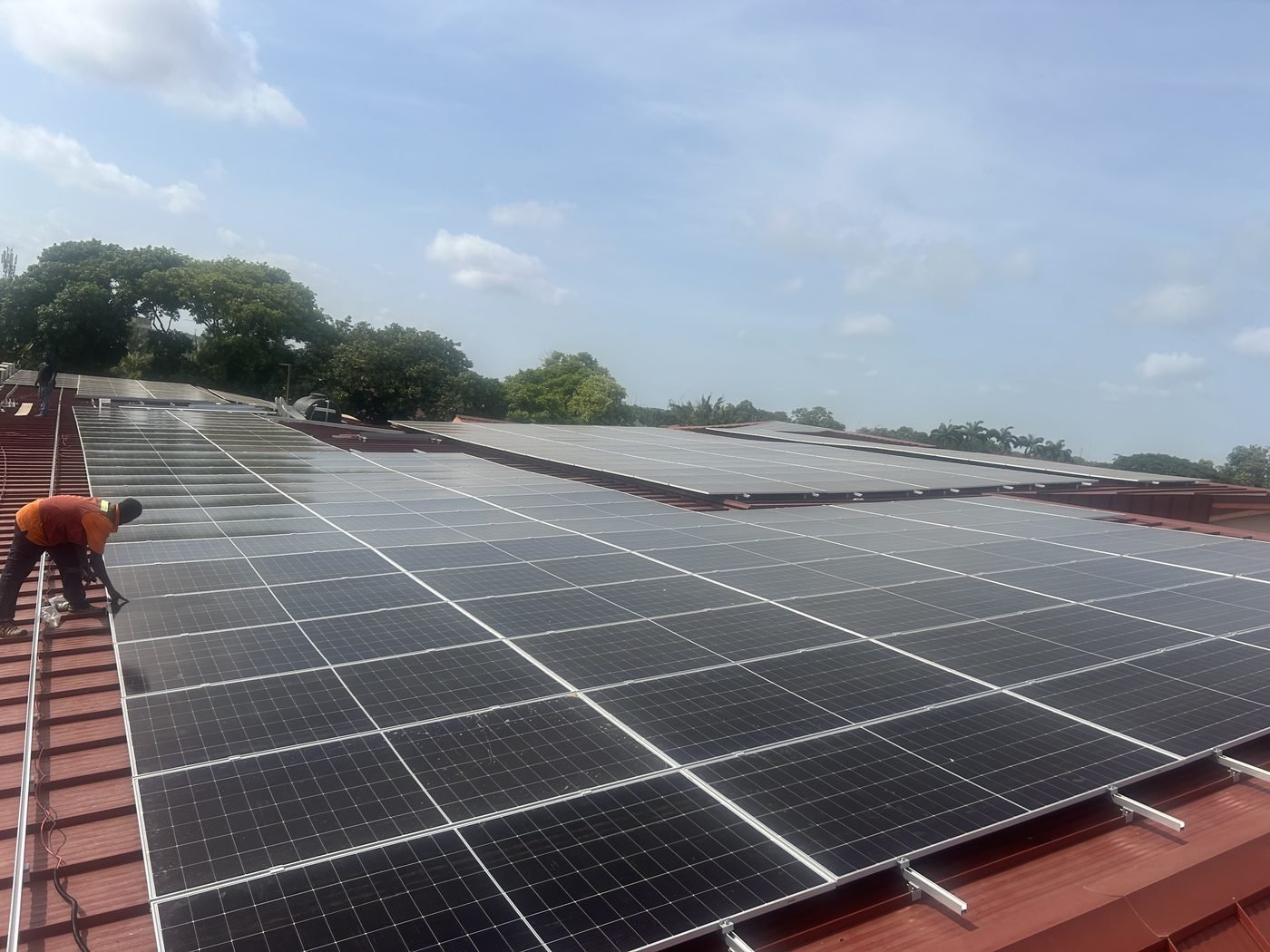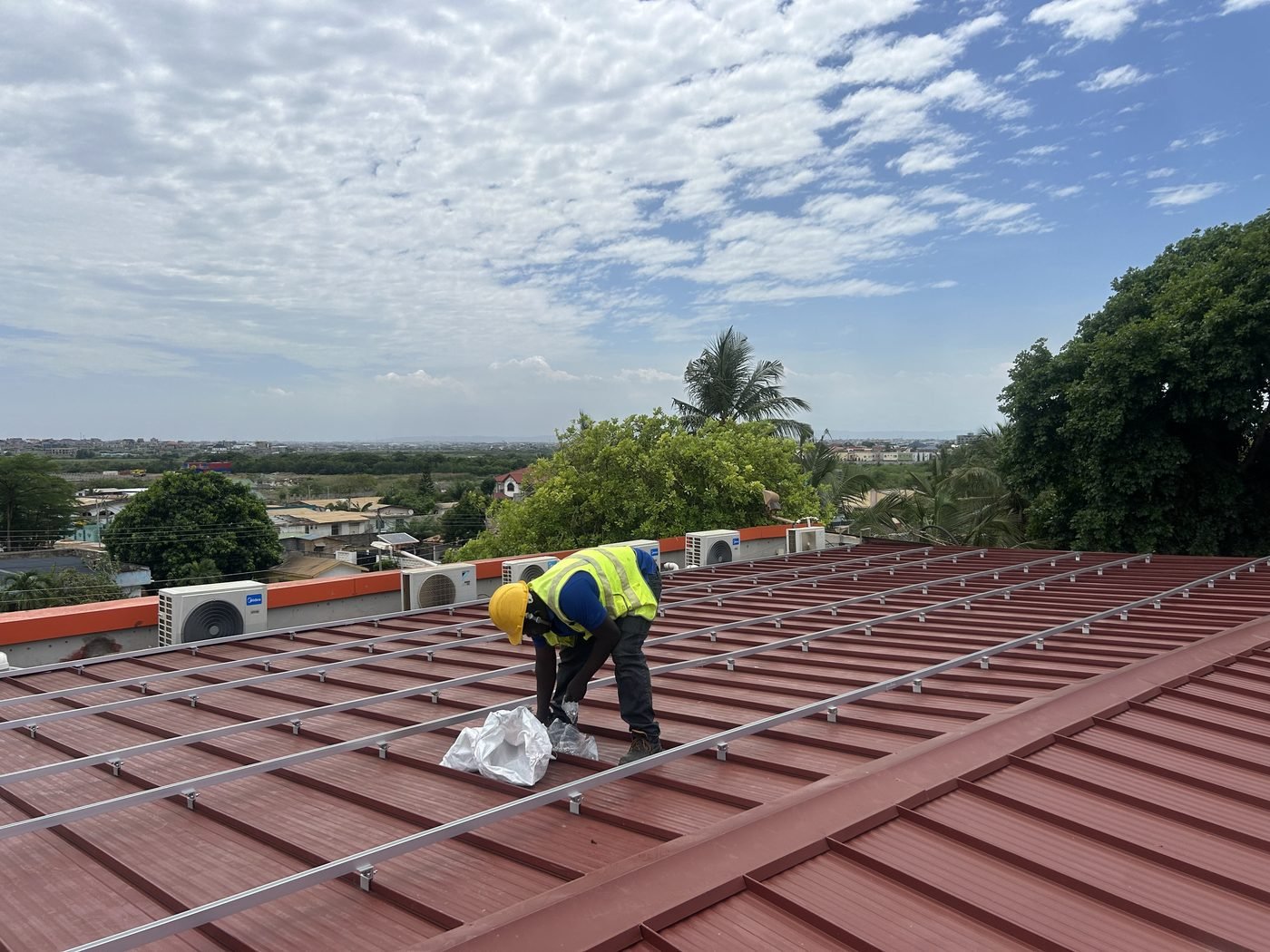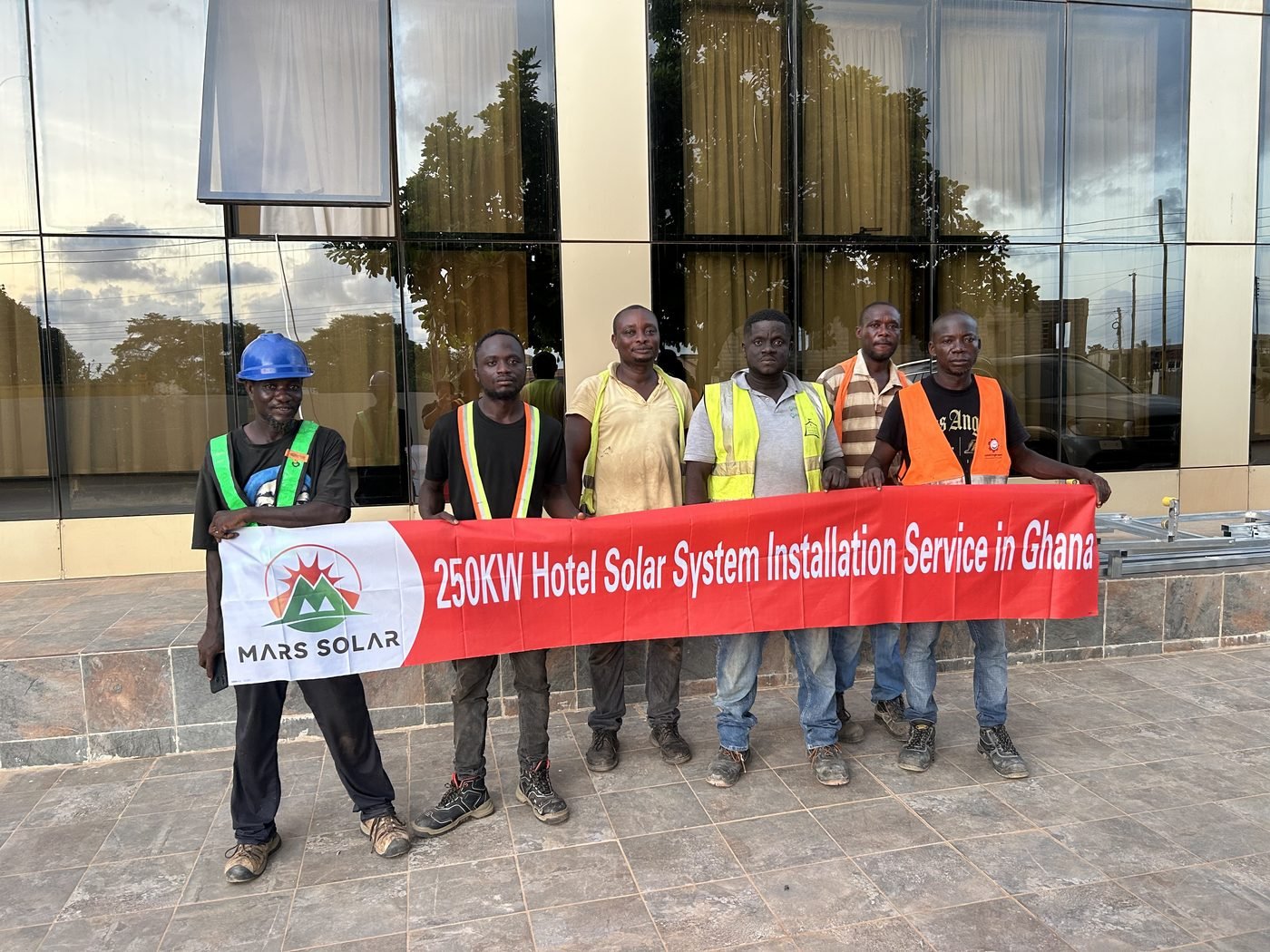
Hotels are, frankly, the best solar customers in the world — and most of them don't know it yet. Your single biggest operating cost after salaries is energy, your peak demand (air-conditioning, pool pumps, laundry, kitchens) lands exactly when the sun is strongest, and your guests have already paid for the silence that solar delivers. If your property runs partially on diesel today, you are paying $0.30–0.50 per kWh to produce noise, fumes and complaints. This guide covers what a solar power system for hotels costs in 2026, how to size it and when it pays back.
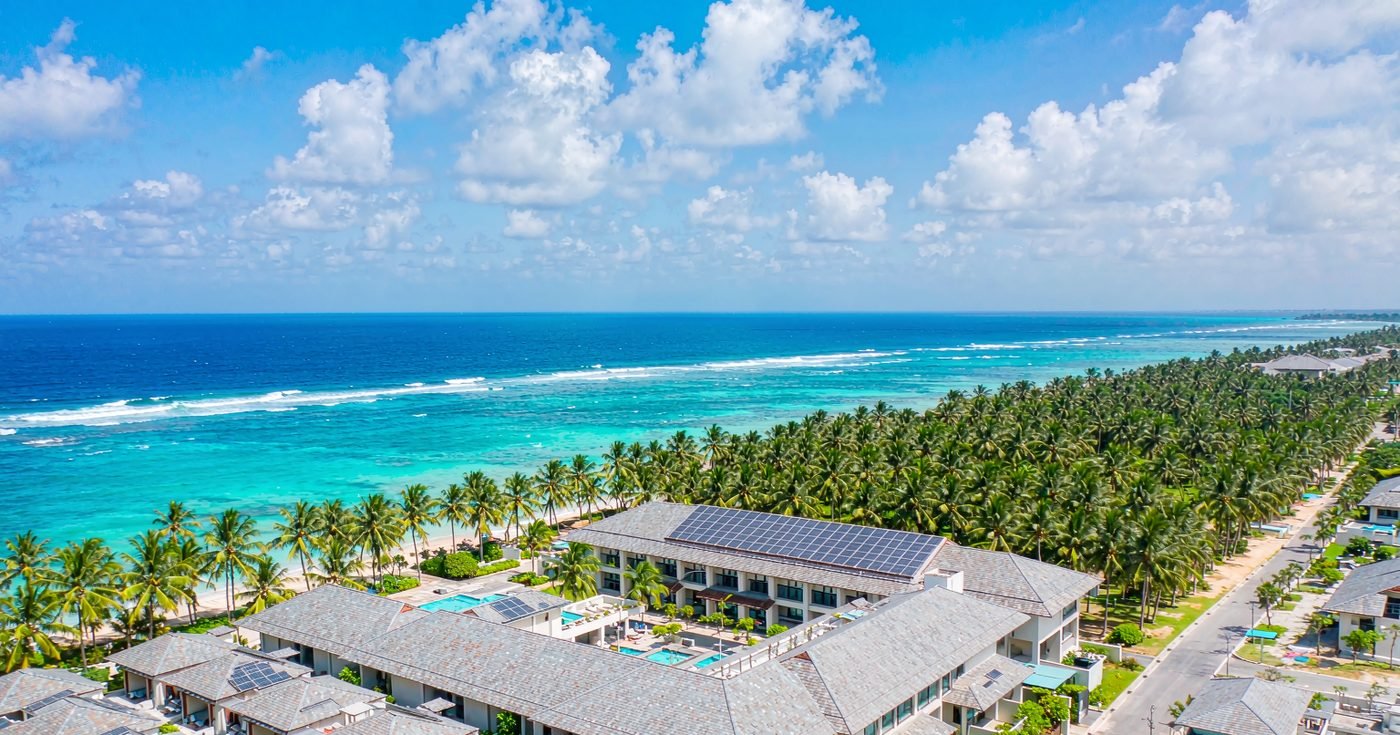
Why a Solar Power System for Hotels Matches the Load Curve
Occupancy-driven loads — AC, chilled water, pool circulation, restaurant and laundry — ramp up mid-morning and peak through the afternoon, which is almost exactly the solar generation curve. That overlap means high self-consumption: most hotels we design for consume 70–90% of their solar energy on-site, in real time, without needing to export anything. The battery's job is narrower than people assume: carry lighting, elevators, refrigeration, water pumps, IT and a few guest-room circuits through the evening and night — not run the whole resort on sunshine after dark.
Sizing by Room Count: the 2026 Table
Actual sizing must come from your load profile — 12 months of bills or a generator fuel log — but these ranges hold for tropical properties with AC-heavy loads:
| Property | Typical peak load | Solar array | Battery (LiFePO4) | Covers |
|---|---|---|---|---|
| 20–30 rooms / small boutique | 40–60kW | 50–60kW | 80–120kWh | Daytime loads + night critical circuits |
| 40–60 rooms / mid-size resort | 100–150kW | 120–150kW | 200–300kWh | 60–80% of total consumption |
| 80–120 rooms / full-service resort | 200–300kW | 250–300kW | 400–600kWh | 50–70% of total consumption |
| 150+ rooms / large resort or island property | 300–500kW | 350–500kW | 600kWh–1MWh | Utility-displacement at scale |
If your property also wants behind-the-meter resilience for a week of bad weather, size the battery for critical loads only — typically 20–30% of peak demand — and keep the existing generator as an automatic third layer. The full engineering method is in our commercial solar sizing guide.
What It Costs and What It Saves
As a planning envelope, complete hybrid systems from a Chinese manufacturer run $420–580 per kW installed-equivalent EXW at the 100–300kW scale, plus $130–180 per kWh of battery. A 120kW + 240kWh resort package lands around $95,000–125,000 EXW before freight. Working the savings side: a 50-room beach resort paying $12,000/month across grid and diesel, where solar + battery displaces 65% of that spend, saves roughly $90,000–95,000 a year — a 3–5 year payback on a normal grid, faster (18 months–3 years) on island grids and diesel-heavy properties. After that, the system runs essentially free for another 15–20 years.
For a worked example at exactly this scale, read our Philippines commercial price guide — same tropical profile, tariff detail spelled out line by line. That is the realistic solar power system for hotels price range at the 100–300kW scale.
Real Project: 60kW + 120kWh Island Resort
We built a 60kW solar + 120kWh battery system for a Palawan island resort whose grid was unreliable and whose generator ran long hours daily. The result: an 83% reduction in monthly electricity cost, silent nights, and a site that rides through outages without guests ever noticing. The battery bank carries the resort through the evening; the inverter starts the backup generator only if the bank drops below its reserve threshold after multiple overcast days — in practice, a handful of times a year.
The Guest-Experience Dividend
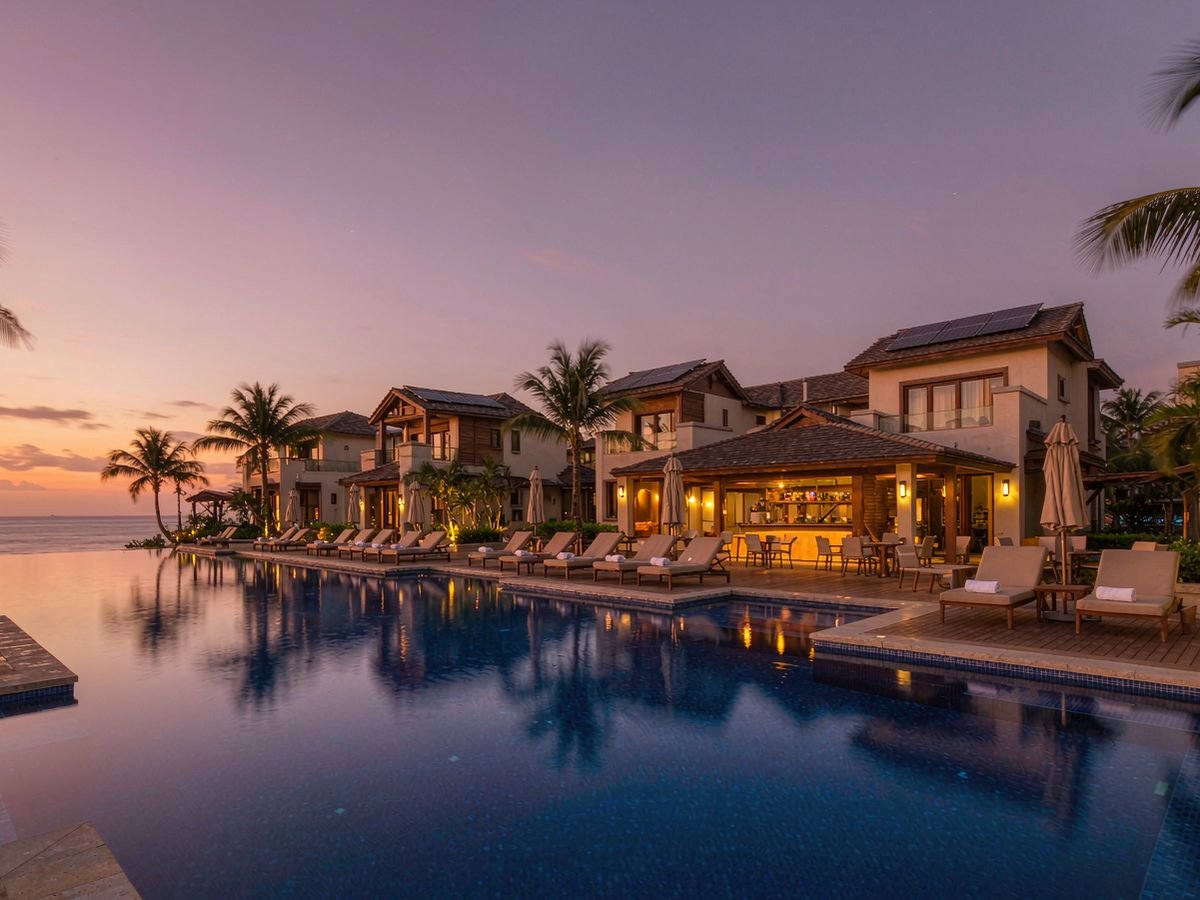
The economics alone justify the project, but hoteliers who install solar report a second benefit that shows up in reviews: silence. A generator that no longer runs through dinner and the night removes the single most common physical complaint in tropical-property reviews. Add the marketing side — sustainability badges on booking platforms, corporate MICE clients asking for your carbon data, eco-certification schemes that reward on-site renewables — and the system does double duty as a revenue tool.
Equipment: What Actually Goes In
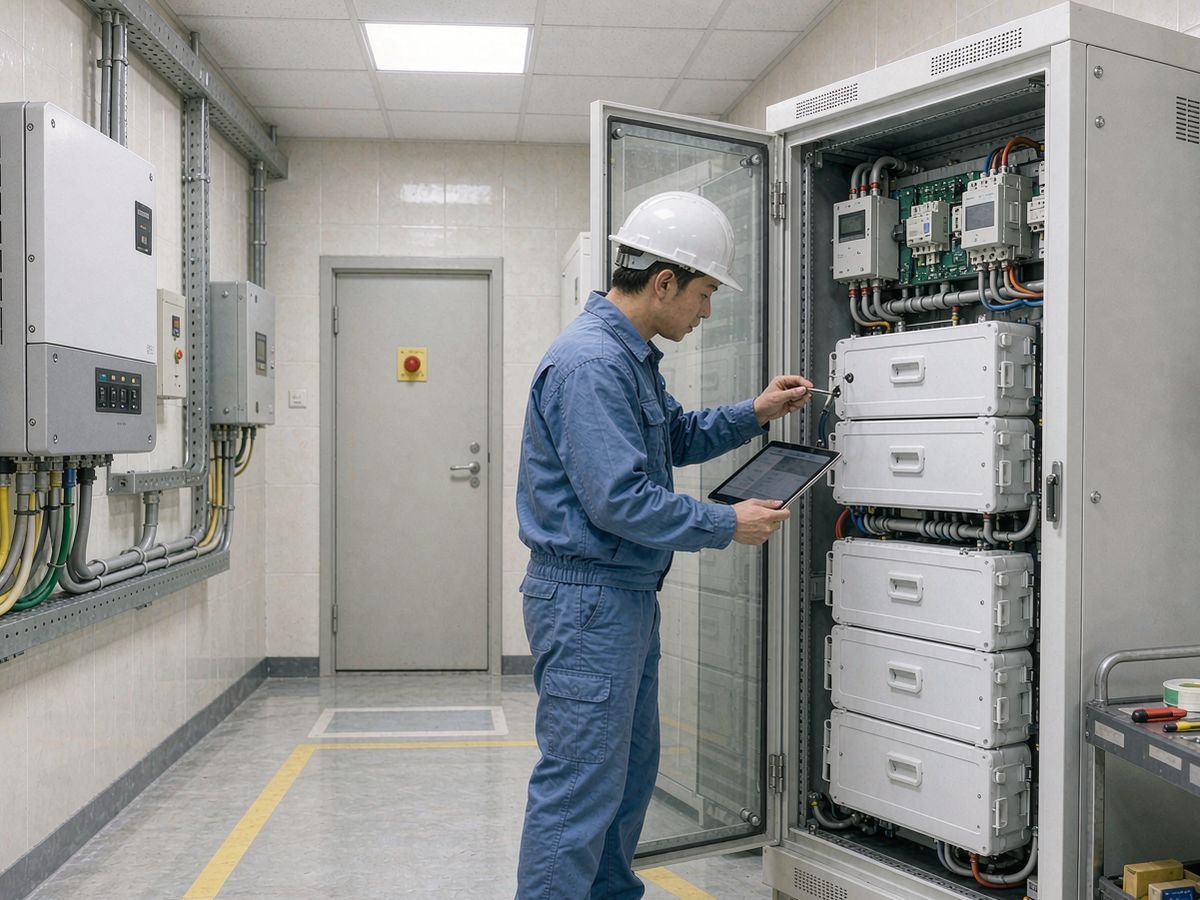
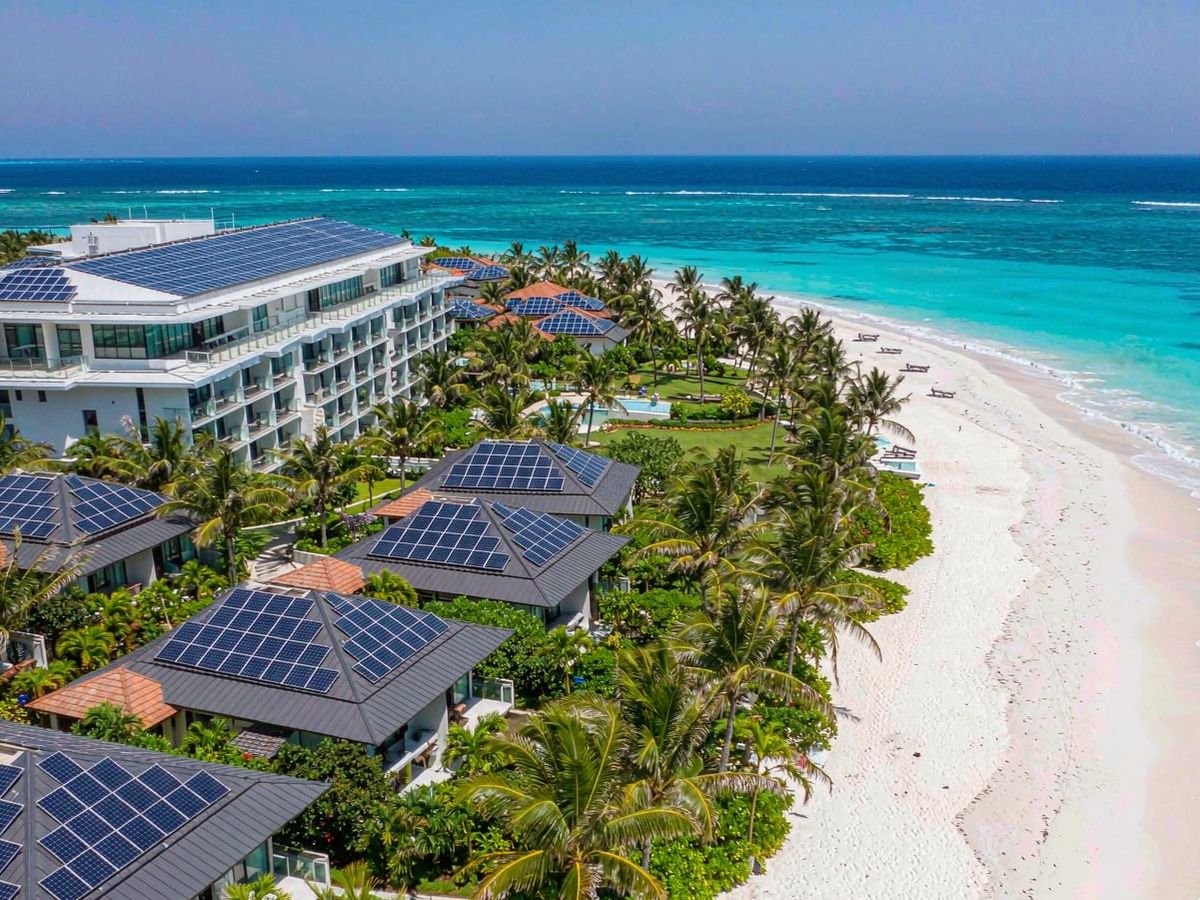
A resort package is straightforward: Tier-1 TOPCon panels on the main building and villa roofs (or a ground array on spare land), a three-phase hybrid inverter + LiFePO4 battery cabinet sized to your night load, and an automatic generator input so your existing genset integrates without replacement. Everything is factory-assembled and burn-in tested for 72 hours before shipping, which matters when your site is a boat ride or a small airstrip away from the nearest hardware store. A well-sized solar power system for hotels is the fastest single upgrade you can make to both your P&L and your guest reviews.
Timeline: From First Message to First Silent Night
- Day 1–2: Send 12 months of electricity bills and photos of your main distribution board; receive a system design and ROI model within 24 hours of our engineers having the data.
- Weeks 2–5: Production, 72-hour full-system testing, packing with installation drawings in the container.
- Weeks 5–10: Sea freight and clearing to your port.
- Weeks 10–16: Installation around your occupancy — most resorts stage work building by building and never close rooms. Commissioning includes monitoring access your engineering team can see from anywhere.
If you manage a property and want the numbers modeled on your own bills, send them over — the design and ROI estimate are free, and they'll tell you within a day whether solar makes sense for your resort. If you are starting from scratch as a developer, our supplier selection checklist covers the questions worth asking any manufacturer before you wire a deposit.