
See how this project fits the wider market in our commercial solar Philippines guide — local tariffs, typhoon-rated specification and a worked 100 kWp payback.
This beach resort in Palawan ran 180 air conditioning units, pool systems, and kitchen equipment on an island grid with frequent outages. Monthly electricity bills reached ₱145,000 — the resort's largest operating expense ang expense after payroll. Typhoon season regularly knocked out power for days.
Guests expect 24/7 comfort: air conditioning, hot water, and Wi-Fi cannot fail. The resort needed to cut costs dramatically and guarantee power through typhoon outages, without visible generators disturbing the beachfront atmosphere.
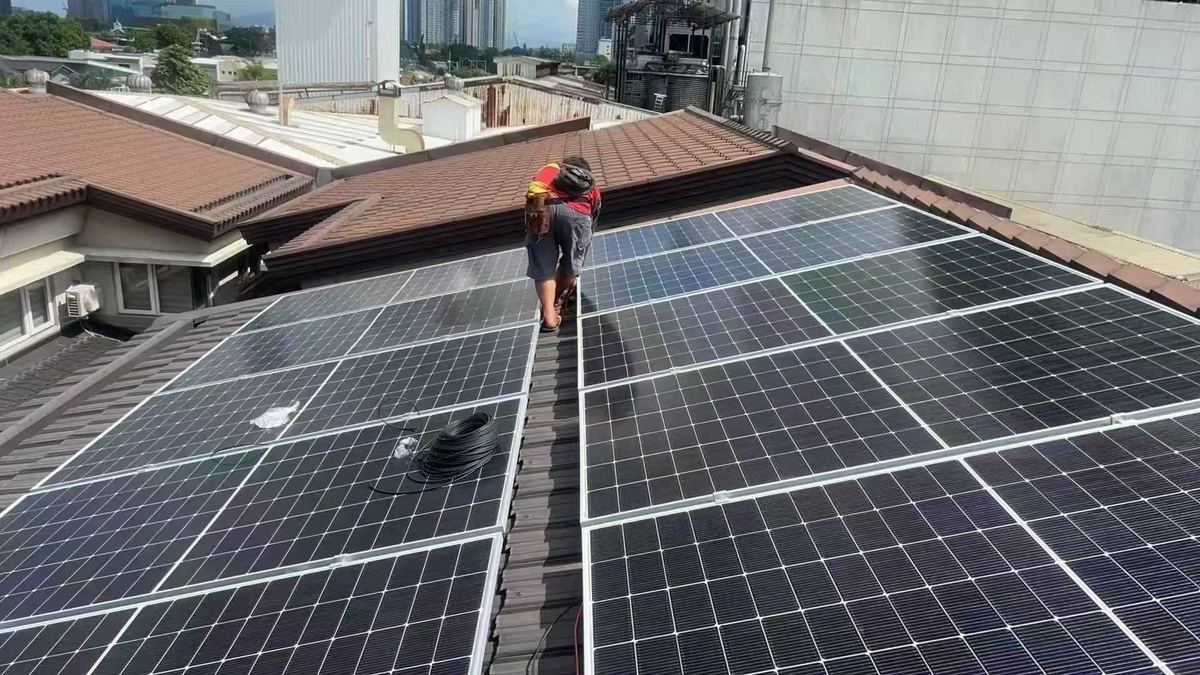
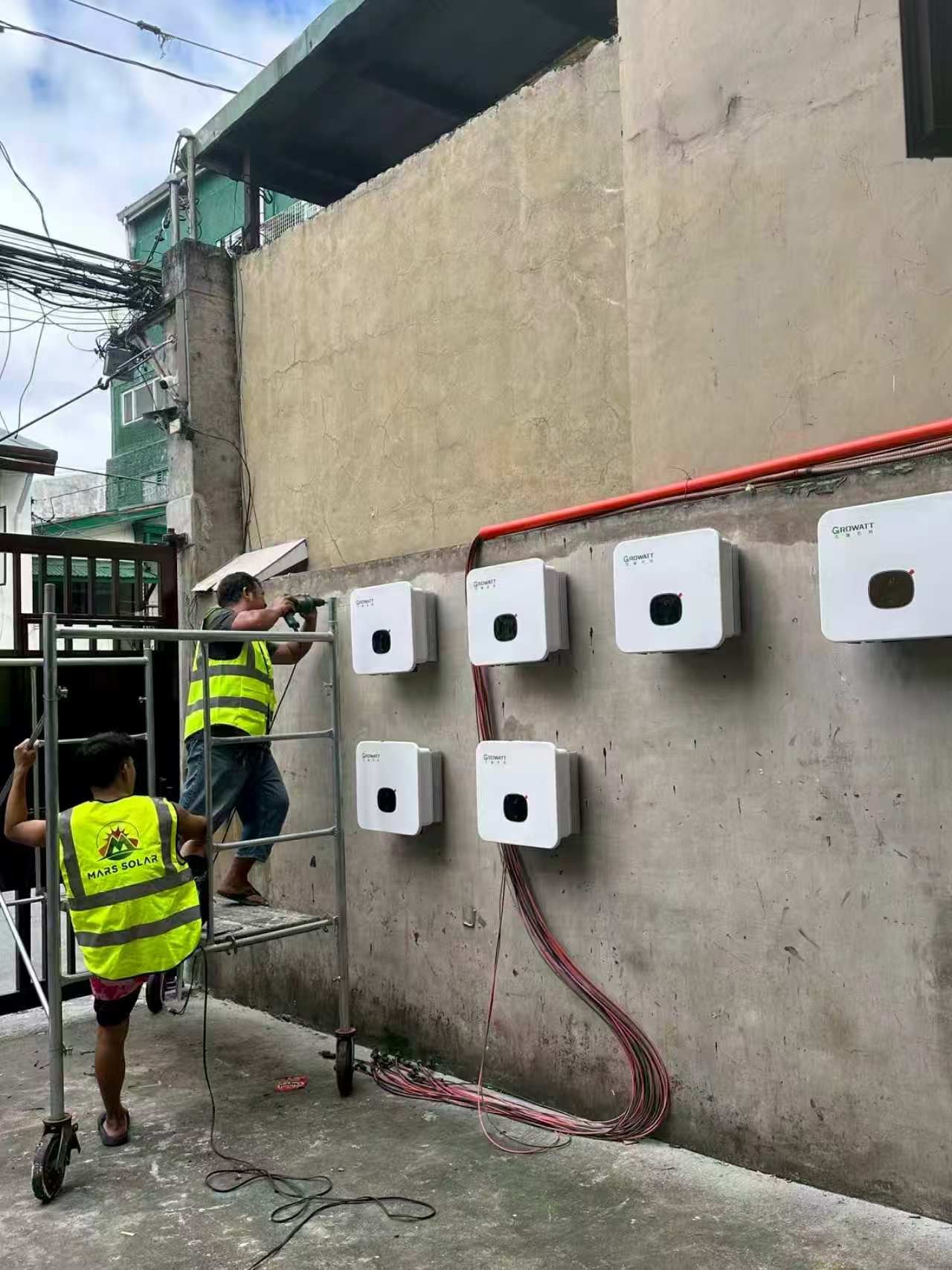
Mars Solar designed a hybrid solar power system with lithium battery storage that silently carries the resort through nights and outages. Installation was completed in 5 days between guest checkout windows. The system is engineered to typhoon standards, and smart monitoring optimizes energy flow in real time.
| Solar PV Capacity | 60 kW (high-humidity rated modules) |
|---|---|
| Battery Energy Storage | 120 kWh LFP |
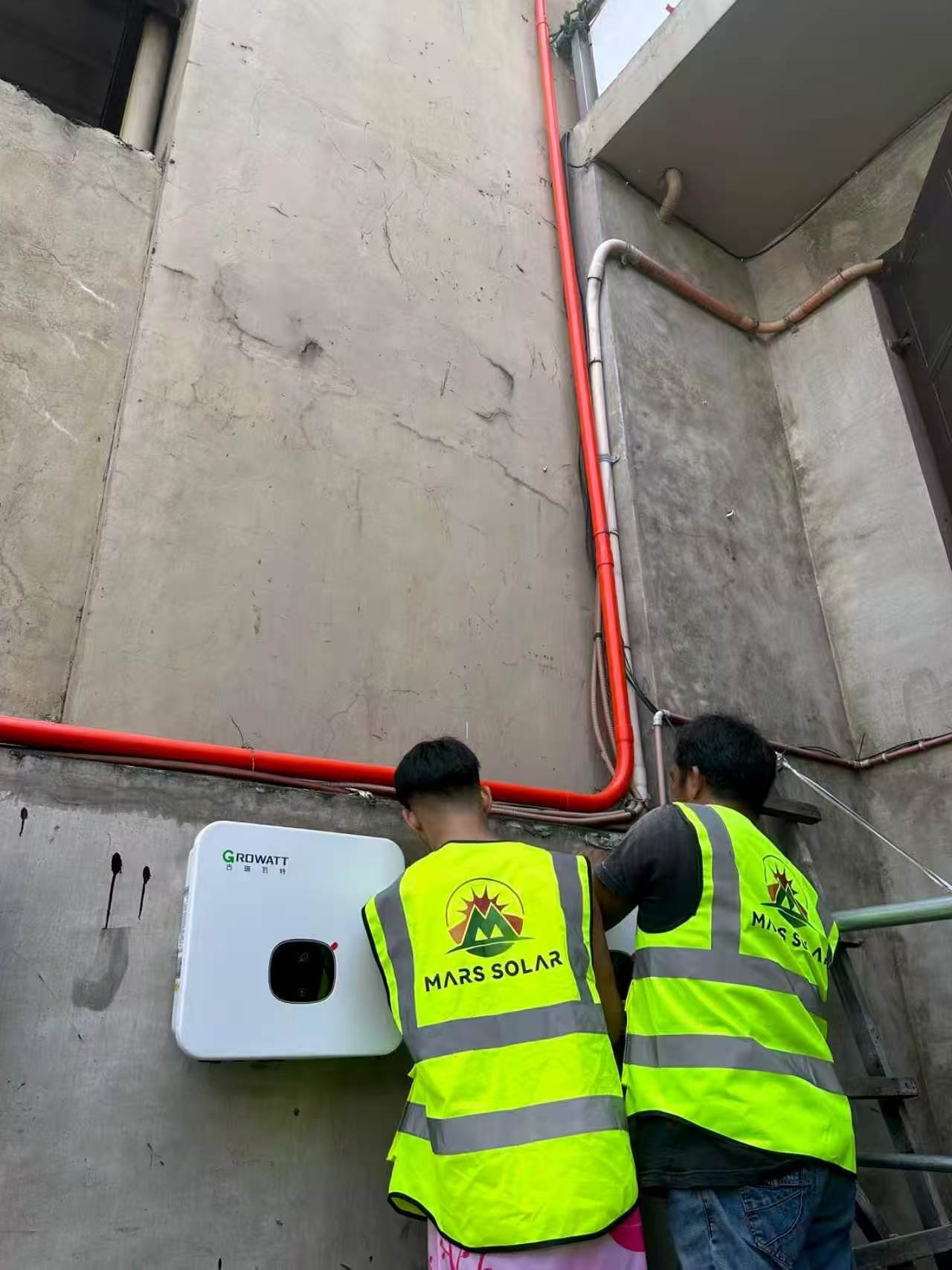
| Inverters | Hybrid, 3-phase, typhoon-rated mounting |
| System Type | Hybrid: grid + solar + battery |
| Installation | 5 days between guest windows |
| Monitoring | Smart platform, real-time optimization |
Monthly electricity bills dropped from ₱145,000 to ₱25,000 — an 83% reduction. The system rode through Typhoon Egay without interruption. The resort is now planning a second installation for its new villa wing, and reports improved guest reviews citing quiet nights and uninterrupted amenities.
| Monthly savings | ₱100,000+ |
|---|---|
| Bill reduction | 83% (₱145,000 → ₱25,000) |
| Payback period | 15 months |
| Outage resilience | Full load through typhoons |
| Installation time | 5 days |
“Our monthly electricity bill dropped from ₱145,000 to ₱25,000 — an 83% reduction. The installation team completed everything in 5 days, and the system handled Typhoon Egay without any issues.”
— Ricardo Santos, Owner, Palawan Beach Resort
Resort load is occupancy-driven and peaks in the evening — guests return, air conditioning and kitchen loads come on together, and that is exactly when the array has stopped producing. That is the whole argument for the battery on this site: 120 kWh is not there to store the day's surplus, it is there to cover the evening peak the array cannot.
The second constraint was the site itself. Palawan is typhoon-exposed and salt-laden, so module and mounting selection were driven by winven by wind load and corrosion rather than by efficiency: typhoon-rated mounting for the array, and hardware specified for continuous high humidity. Installation was scheduled into a five-day gap between guest windows, which only works if the whole system ships pre-configured.
On this site the bill went from about ₱145,000 to about ₱25,000 a month — an 83% reduction, or ₱100,000+ saved monthly, with payback in 15 months. Your number depends on occupancy profile and on how much of the load is air conditioning.
Because the resort's peak is in the evening. Two hours of full-load coverage (120 kWh ÷ 60 kW = 2 h) is enough to carry the post-sunset peak; a bigger pack would mostly sit idle.
The system is designed to carry full load through typhoon outages, so a grid event should not be visible to guests. That is a configuration setting — which circuits sit behind the battery — not a property of the hardware.
Philippine distribution utilities offer net metering for qualifying installations, but the economics here came from self-consumption and displaced generator hours rather than from exported energy.
Yes, if the inverter cabinet and roof area were sized for it from the start. Adding panels later is cheap; replacing the inverter later is not.
80 kW commercial solar system · 50 kW + 112 kWh BESS · solar for hotels and resorts · hurricane-resistant solar design
Resorts buy solar for two reasons: island tariffs, and guest experience — a generator starting during dinner is not acceptable at a beach property. A solar system for beach resort sites is thererefore sized so the battery carries the whole evening peak rather than a token few hours, and mounting is engineered to local typhoon wind loads. Send us your occupancy curve and we will size the solar system for beach resort duty against your actual night-time load. If you are costing a solar system for beach resort, send us your load profile and your latest electricity or fuel bills — we return a sized design, a landed quote and a payback model within 24 hours.
Free system design and ROI estimate within 24 hours — based on your actual electricity bills.