
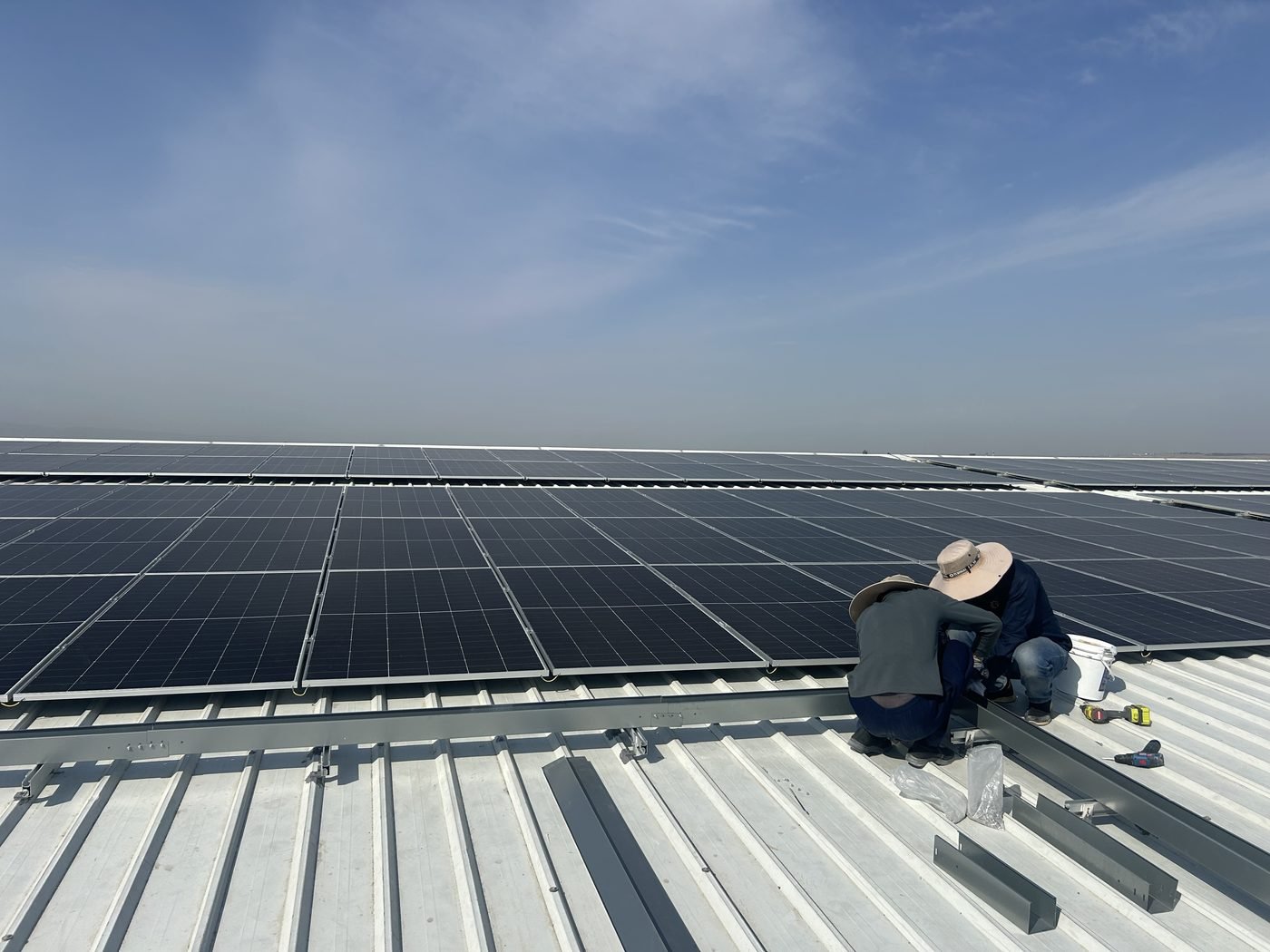
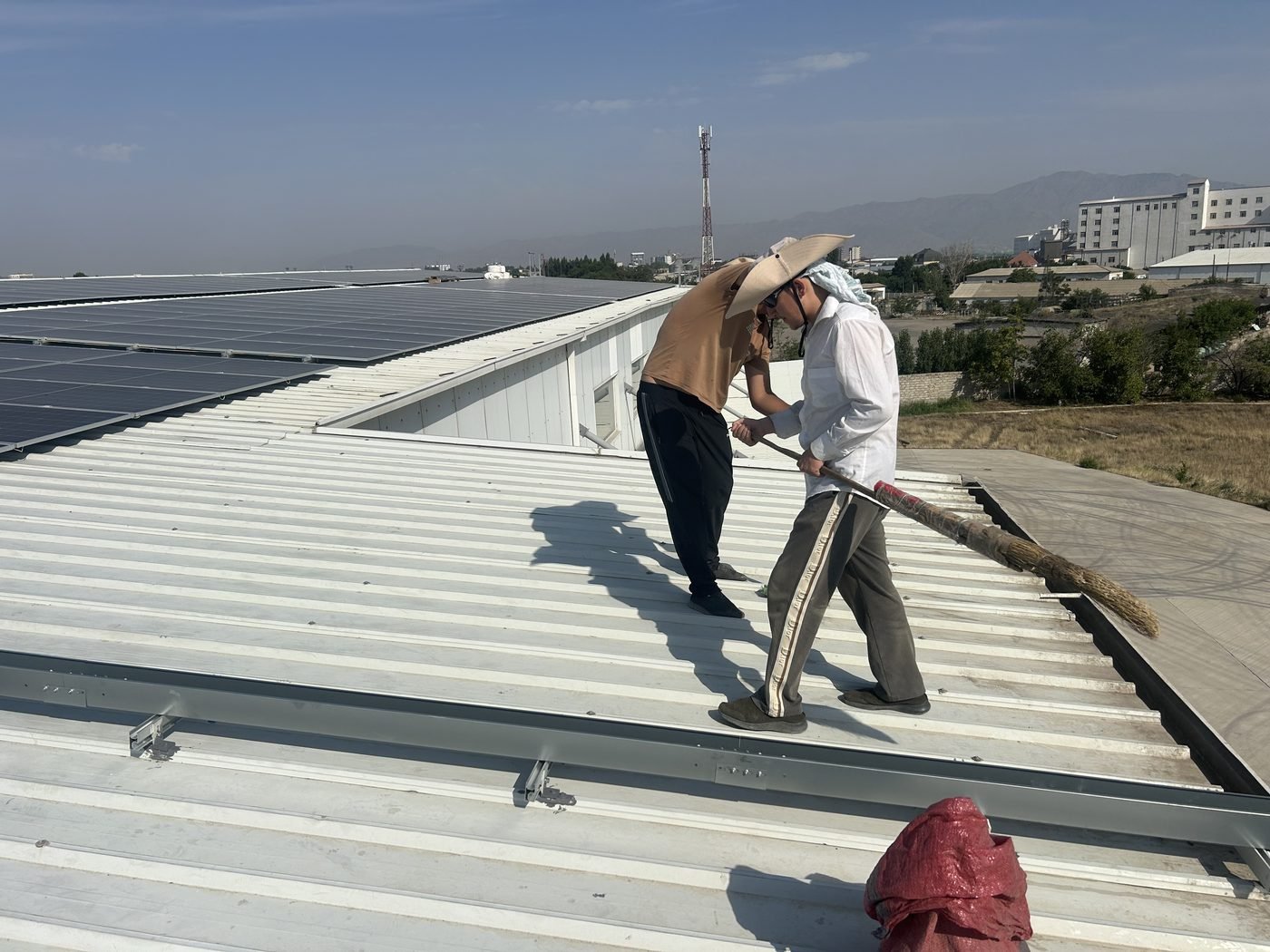
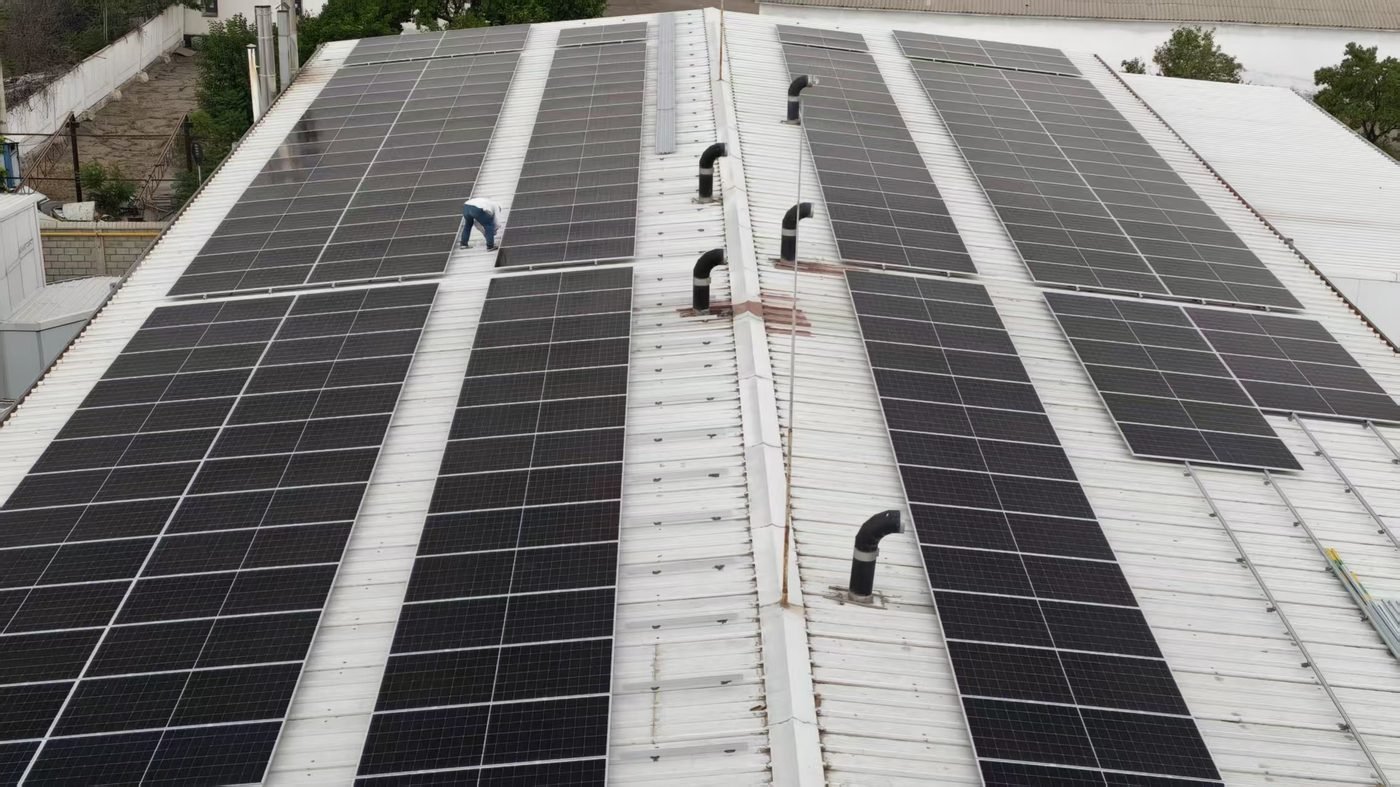
This fruit processing facility in the Western Cape faced South Africa's load-shedding crisis: scheduled grid blackouts of 4–8 hours daily. Cold storage of perishable fruit could not tolerate interruptions — every load-shedding event risked product loss worth more than the facility's monthly energy bill.
The factory ran cold storage at -0.5°C, processing lines, and packaging equipment. Diesel generators covered outages at $0.52/kWh — three times the grid rate. The facility needed a solar power system with battery storage large enough to carry production through load-shedding blocks.
Mars Solar delivered a megawatt-scale solar power system with a 2MWh BESS. The battery bank is sized to carry the cold storage and critical processing loads through the longest load-shedding blocks. The system charges from solar during the day and from the grid during off-peak windows, discharging during outages and tariff peaks.
| Solar PV Capacity | 1 MW ground-mount + rooftop |
|---|---|
| Battery Energy Storage | 2 MWh LFP, containerized |
| Inverters | Hybrid, grid-interactive |
| System Type | Grid-tied + load-shedding backup |
| Critical load backup | Cold storage + processing lines |
| Installation | Mars Solar engineers, 6 weeks |
The system eliminates load-shedding losses entirely and cuts monthly energy costs by $18,000+. Solar supplies 65% of daytime production energy. The factory has reported zero inventory loss since commissioning. Against South Africa's rising tariffs, the savings grow every year.
| Monthly savings | $18,000+ |
|---|---|
| Annual savings | $216,000+ |
| Payback period | 32 months |
| Solar share of daytime load | 65% |
| Inventory losses since install | Zero |
“Load-shedding no longer affects us. The system paid for itself faster than projected as tariffs kept rising.”
— Operations Director, Western Cape Fruit Processor
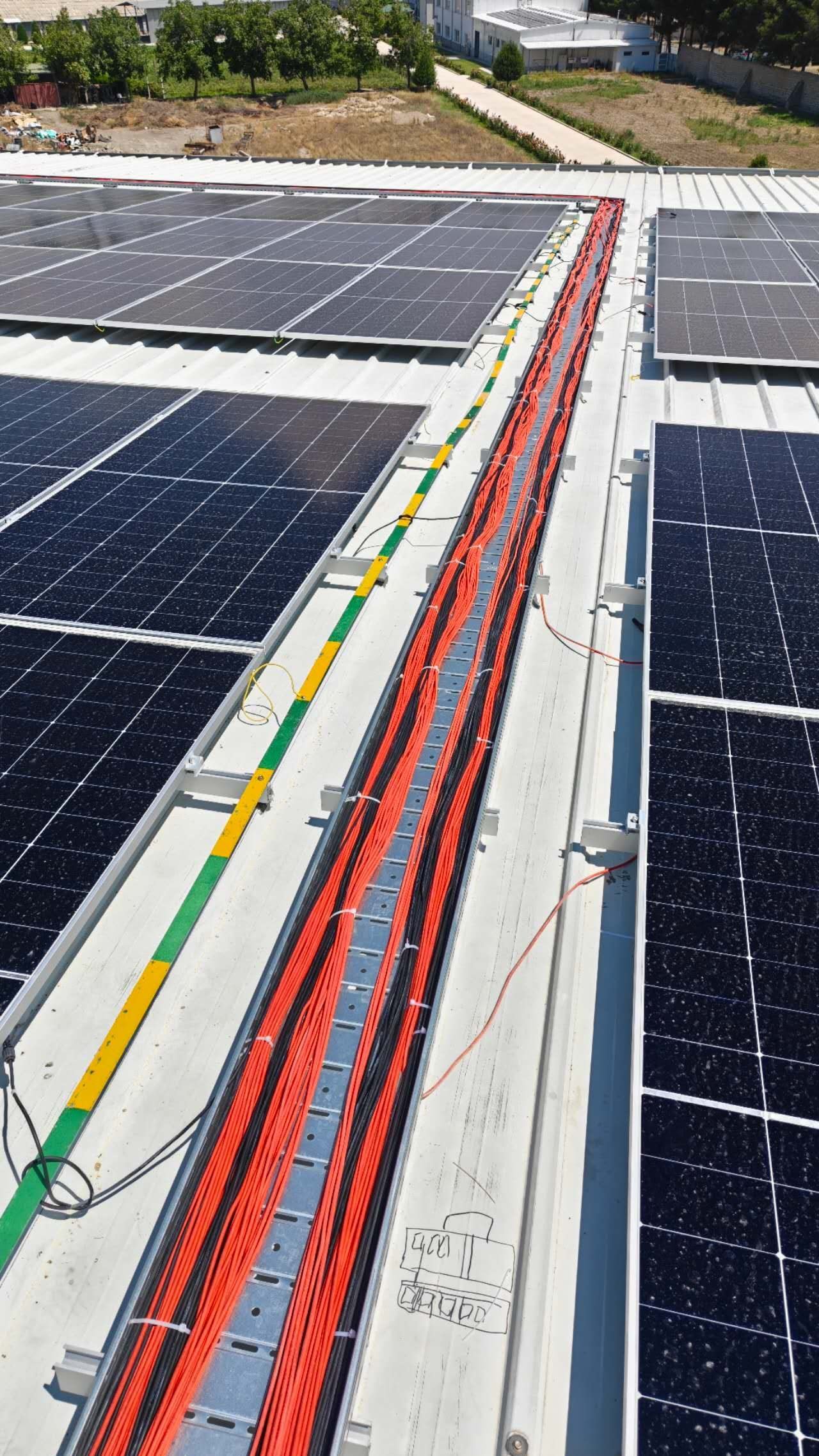
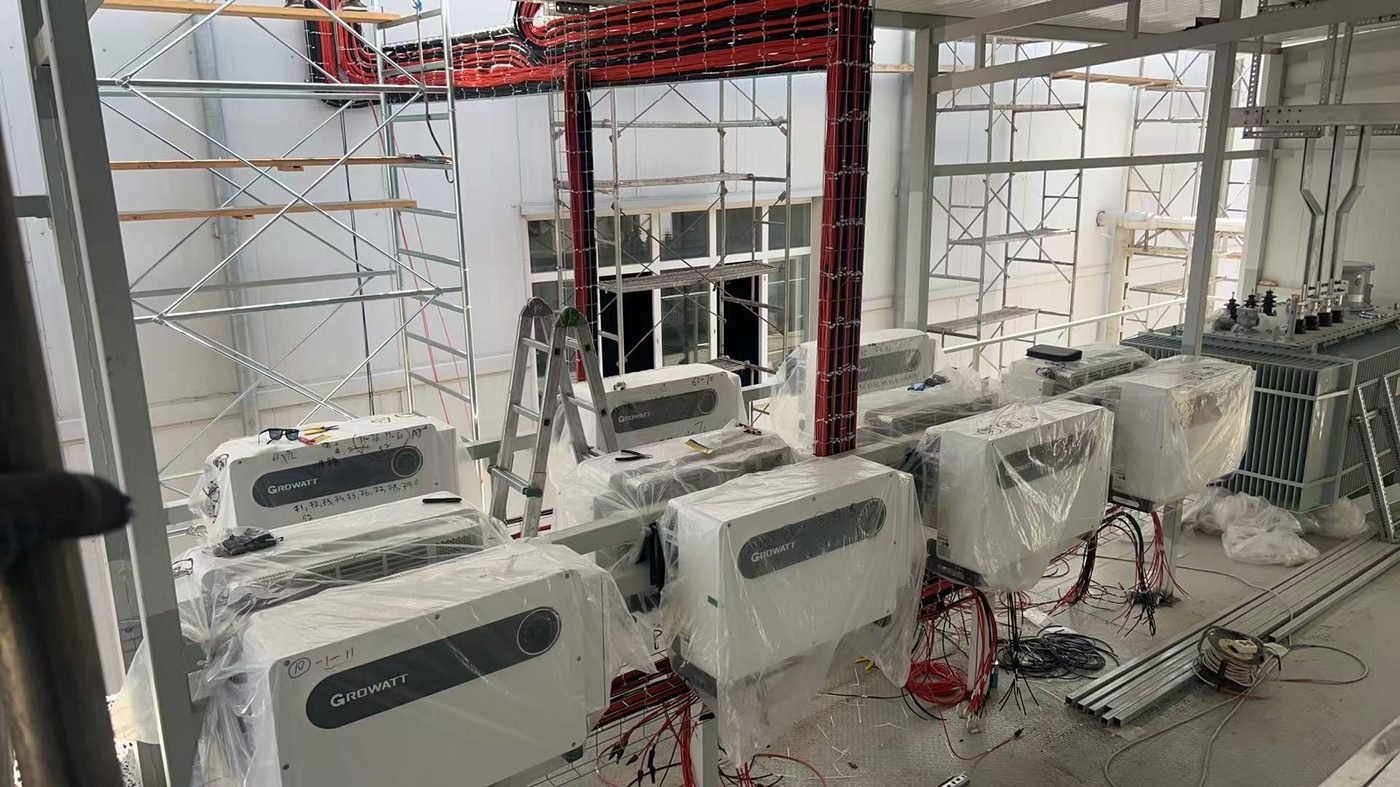
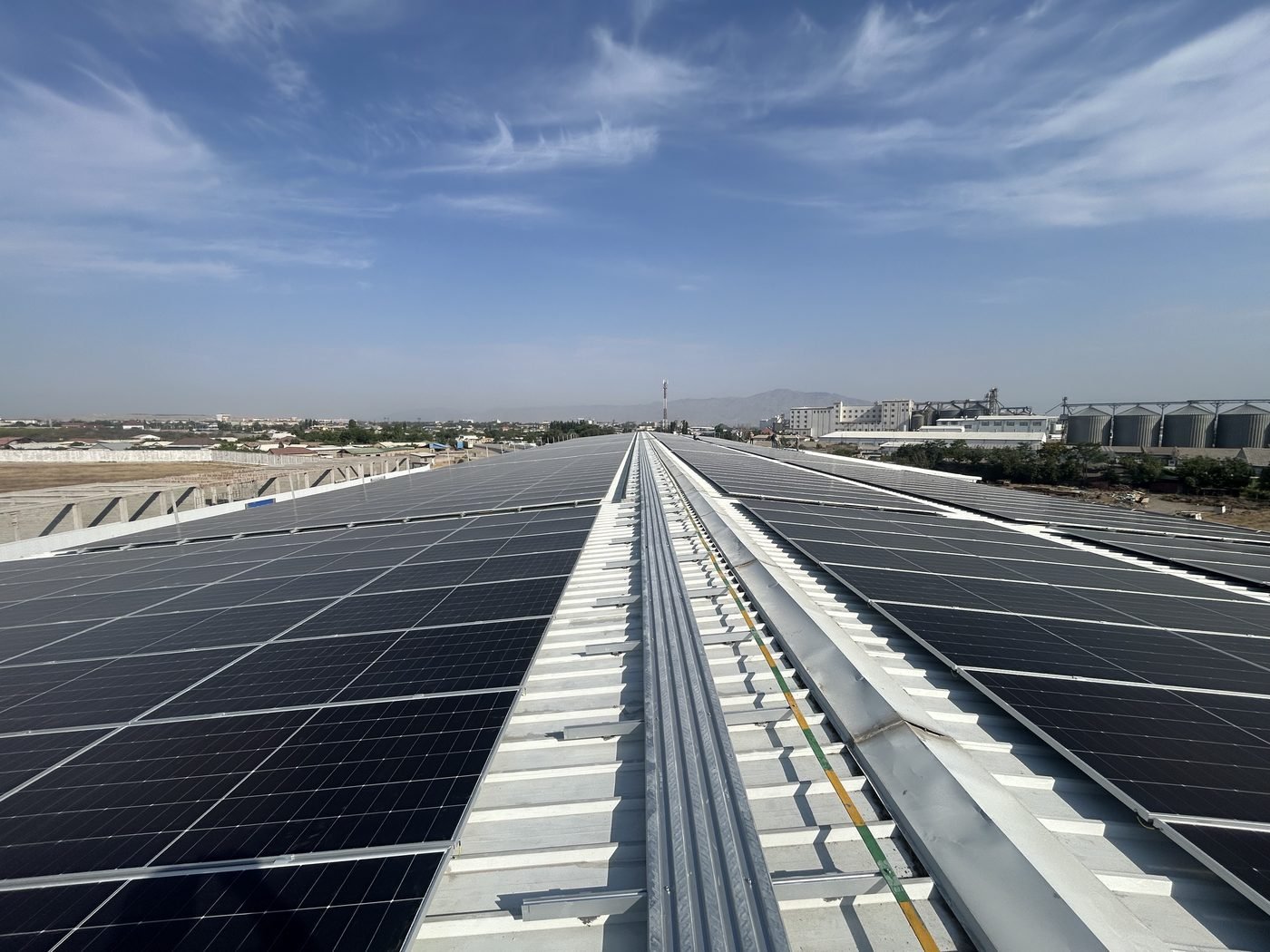
Fruit processing has a seasonal load and a cold chain that cannot be interrupted, and the two pull the design in different directions. A 1 MW array produces most in summer while the plant's heaviest months follow the harvest and packing season, so the array was split between ground-mount and rooftop to reach capacity without waiting for a single ideal surface.
The 2 MWh battery is specified against load shedding, not against daily arbitrage. Two megawatt-hours covers roughly two hours at rated plant load (2 MWh ÷ 1 MW), which is a deliberate match to the shed windows the plant has to survive: cold storage and the processing lines stay up, and the published result is zero inventory losses since commissioning. Payback at 32 months is longer than the African island and diesel projects on this site because South African grid tariffs are lower — the saving that matters here is product not lost.
Because the tariff is lower. South African commercial grid tariffs sit well below island-grid or diesel-generation costs, so the same hardware returns more slowly. The counterweight is that this plant's exposure was spoilage and load-shedding rather than energy price alone.
Around two hours at rated load (2 MWh ÷ 1 MW), targeted at the load-shedding windows. Cold storage and processing lines are on the critical bus; non-essential loads are not.
65% on this site. The remaining daytime draw comes from grid and battery, and the split moves with the season.
Two megawatt-hours of LFP needs thermal management, fire separation and service access. A container puts all three outside the production building and lets the pack be factory-tested before it ships.
Six weeks for a 1 MW plant with 2 MWh of storage, including ground works for the ground-mount portion. Manufacturing and shipping run before that.
Factories buy solar for tariff management as much as for volume: the array cuts daytime grid draw, while the battery shaves the evening peak and rides through short outages. A solar system for factory loads is sized from the shift pattern and motor starting currents, not from annual consumption alone. Above 200kW we dispatch 2–4 Mars Solar engineers for installation, commissioning and grid synchronization, so a solar system for factory duty is handed over running, not delivered as a kit. If you are costing a solar system for factory, send us your load profile and your latest electricity or fuel bills — we return a sized design, a landed quote and a payback model within 24 hours.
Free system design and ROI estimate within 24 hours — based on your actual electricity bills.