
Real numbers from real projects — pricing, payback math and engineering guides for commercial solar and battery storage, written by the team that builds the systems.
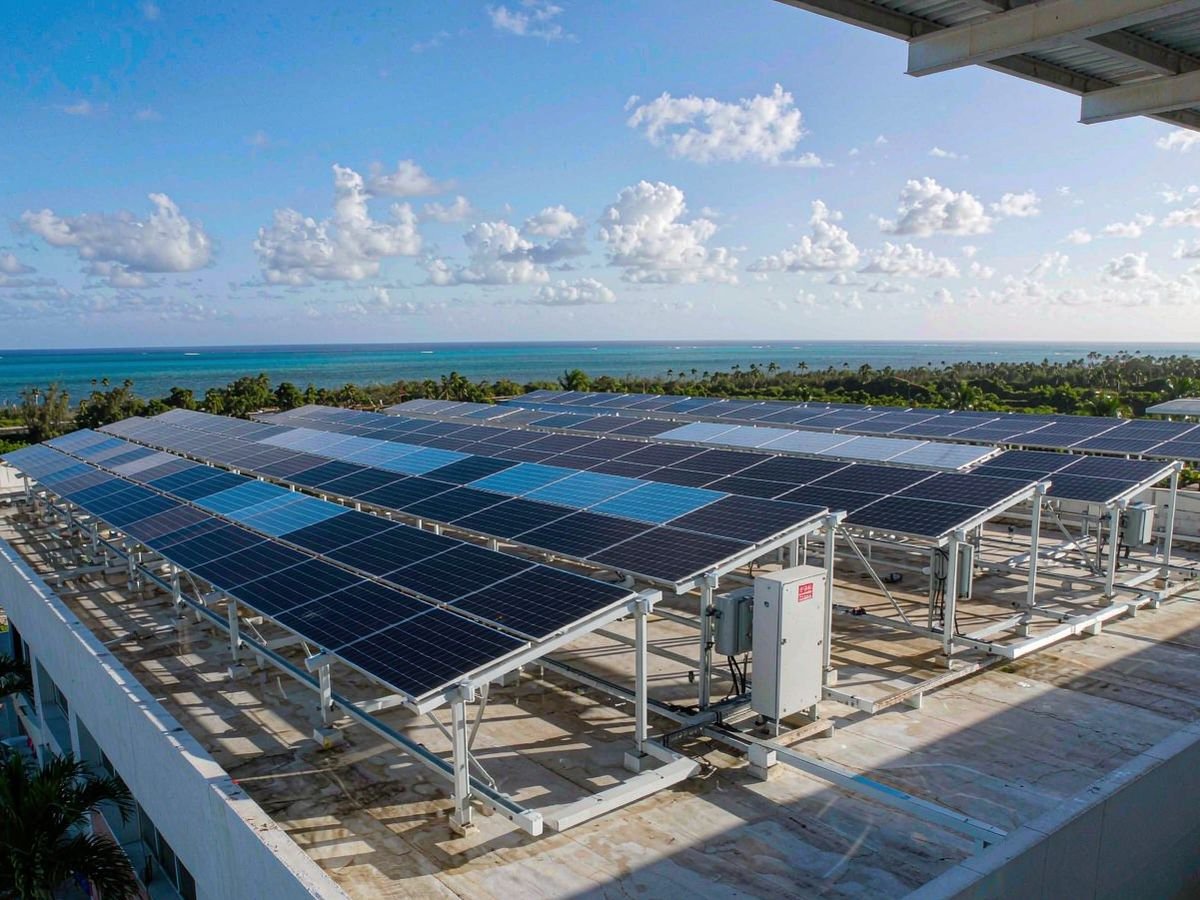 Caribbean · Engineering
Most hurricane damage to commercial solar is not a panel problem — it is wind load, roof attachment and documentation. Covers ASCE 7 design wind speeds, corner-zone uplift, penetrating vs ballasted fixing, Miami-Dade NOA and the paperwork insurers ask for.
Read Article →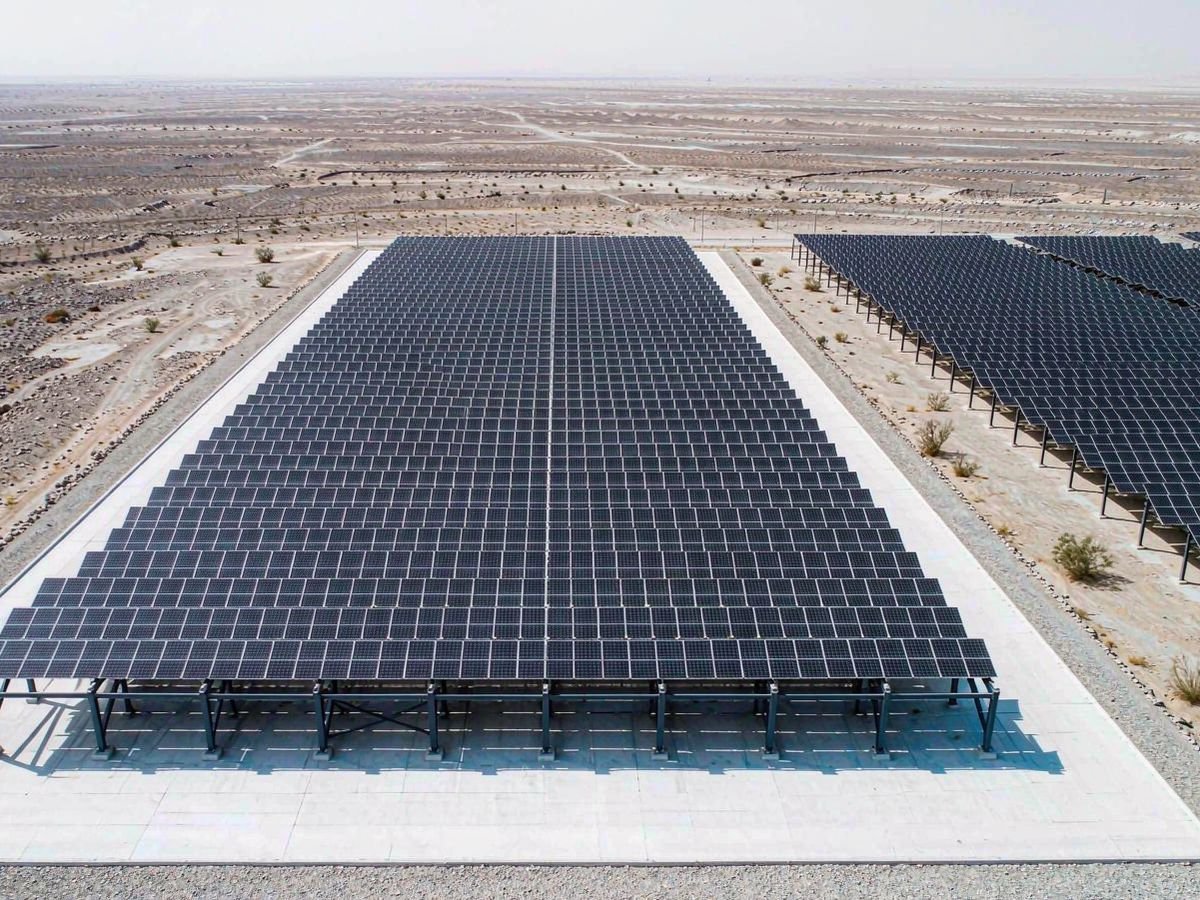 Middle East · Engineering
Cell temperatures of 65-75C and dust take more out of a Middle East array than any other line on the datasheet. How temperature coefficients, soiling rates and inverter derating should change what you specify.
Read Article →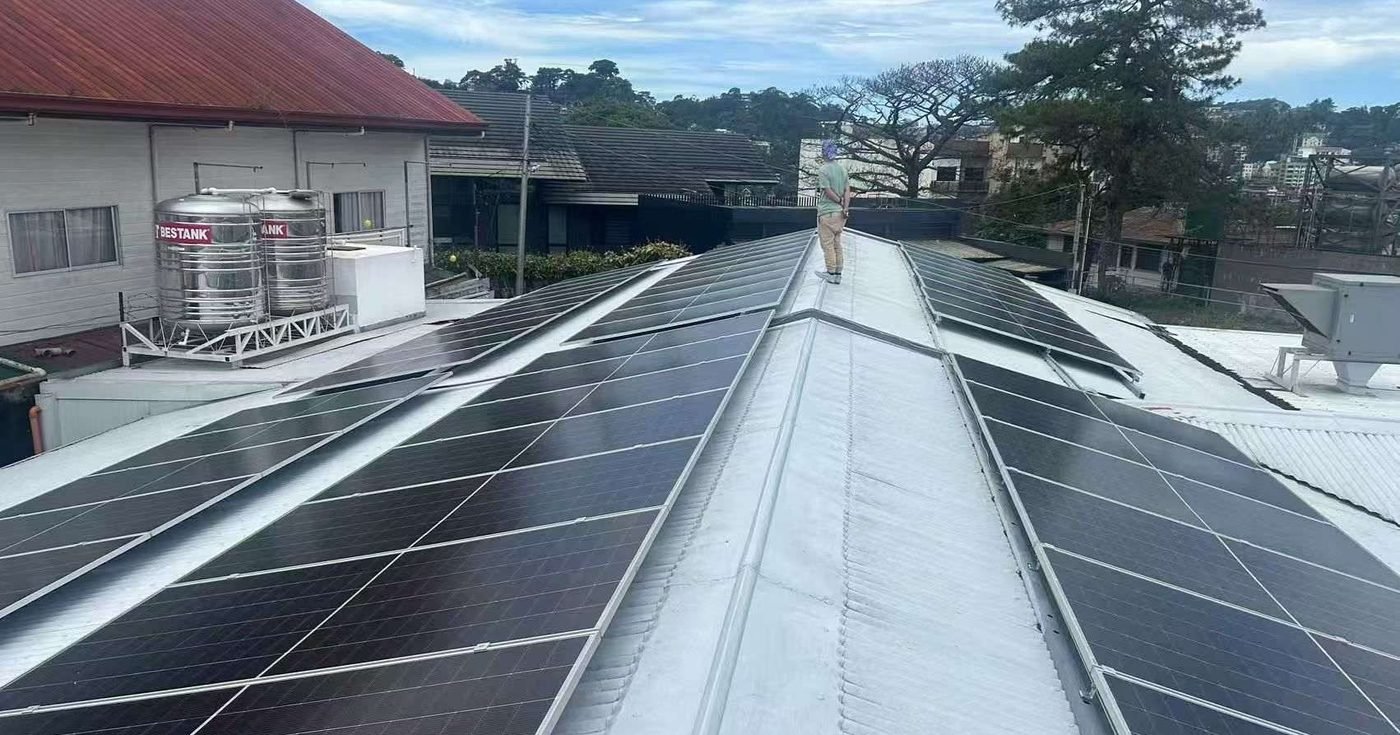 Ghana · Cost Guide
A quality 100kW commercial system lands in Ghana at $55,000–75,000 installed and produces power at $0.04–0.06/kWh — versus $0.28–0.45 from a diesel generator. Full price table, duty math and payback.
Read Article →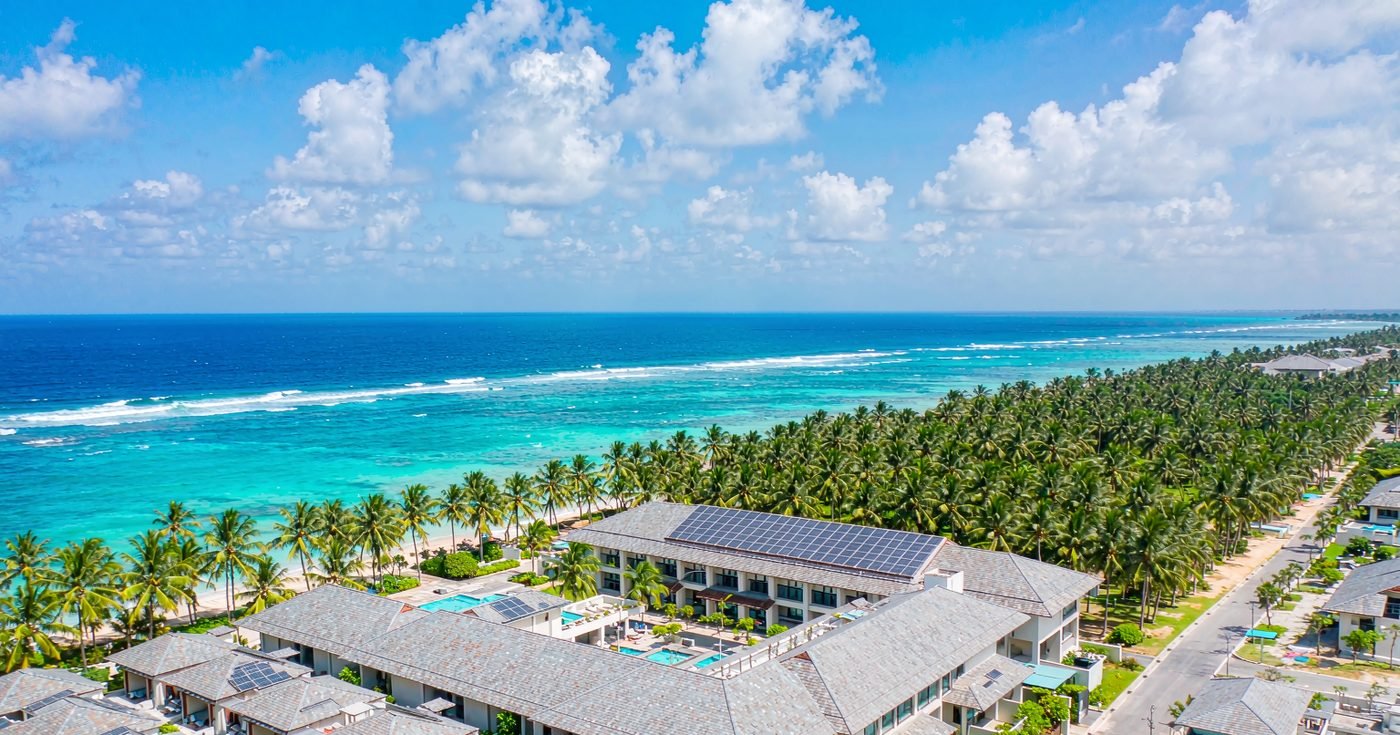 Hotels & Resorts · Guide
A 50-room tropical resort spends $7,000–20,000 a month on power. A right-sized 100–150kW solar + battery system cuts that 60–85% and pays back in 3–5 years — room-count sizing table inside.
Read Article →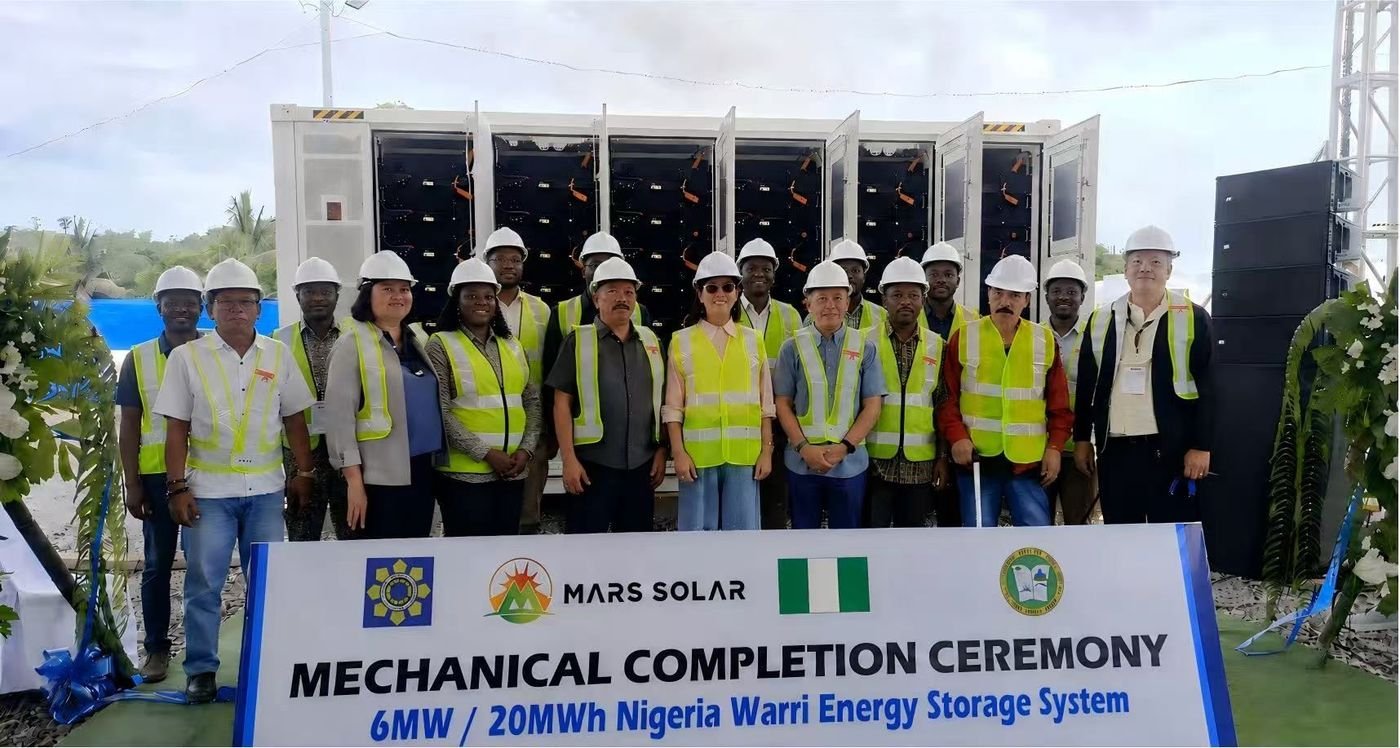 Nigeria · Cost Analysis
Diesel power costs ₦300–650/kWh in 2026; solar with battery storage delivers the same kWh at ₦55–150. Here is the full 5-year cost comparison — and why most commercial systems pay back in 8 months to 4 years.
Read Article →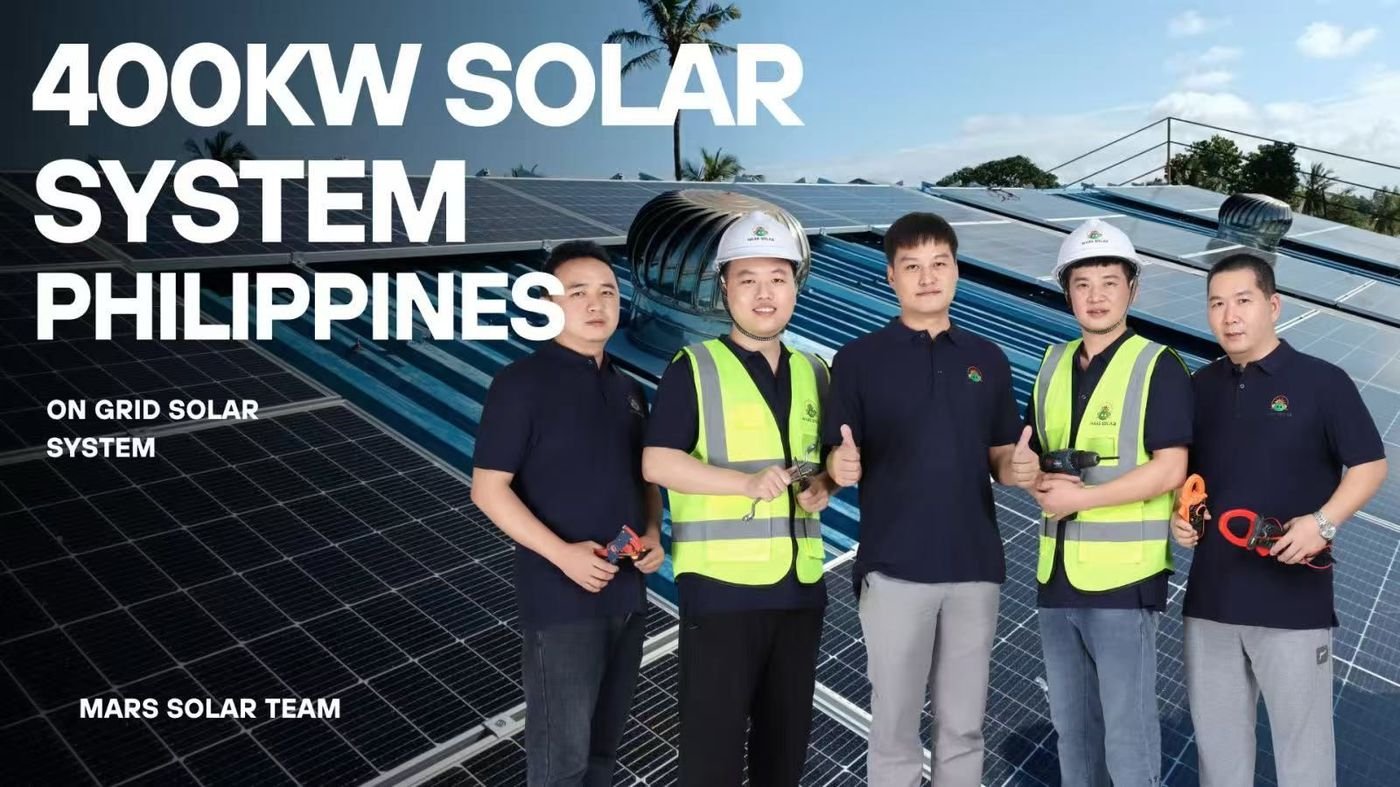 Philippines · Pricing
Commercial solar in the Philippines costs ₱33,500–38,000 per kW installed in 2026, with payback of 2–4 years at ₱14.78/kWh. Updated: the hidden line items most quotes leave out, a net-metering document checklist, and how to verify a supplier's configuration before you pay.
Read Article → Nigeria · BESS
Factory-direct LFP storage now costs $95–120/kWh FOB, with diesel payback in 10–16 months. Updated: how to size kW against kWh, what cycle life and warranty really do to your cost per kWh, and the clearing steps that actually delay a Lagos shipment.
Read Article →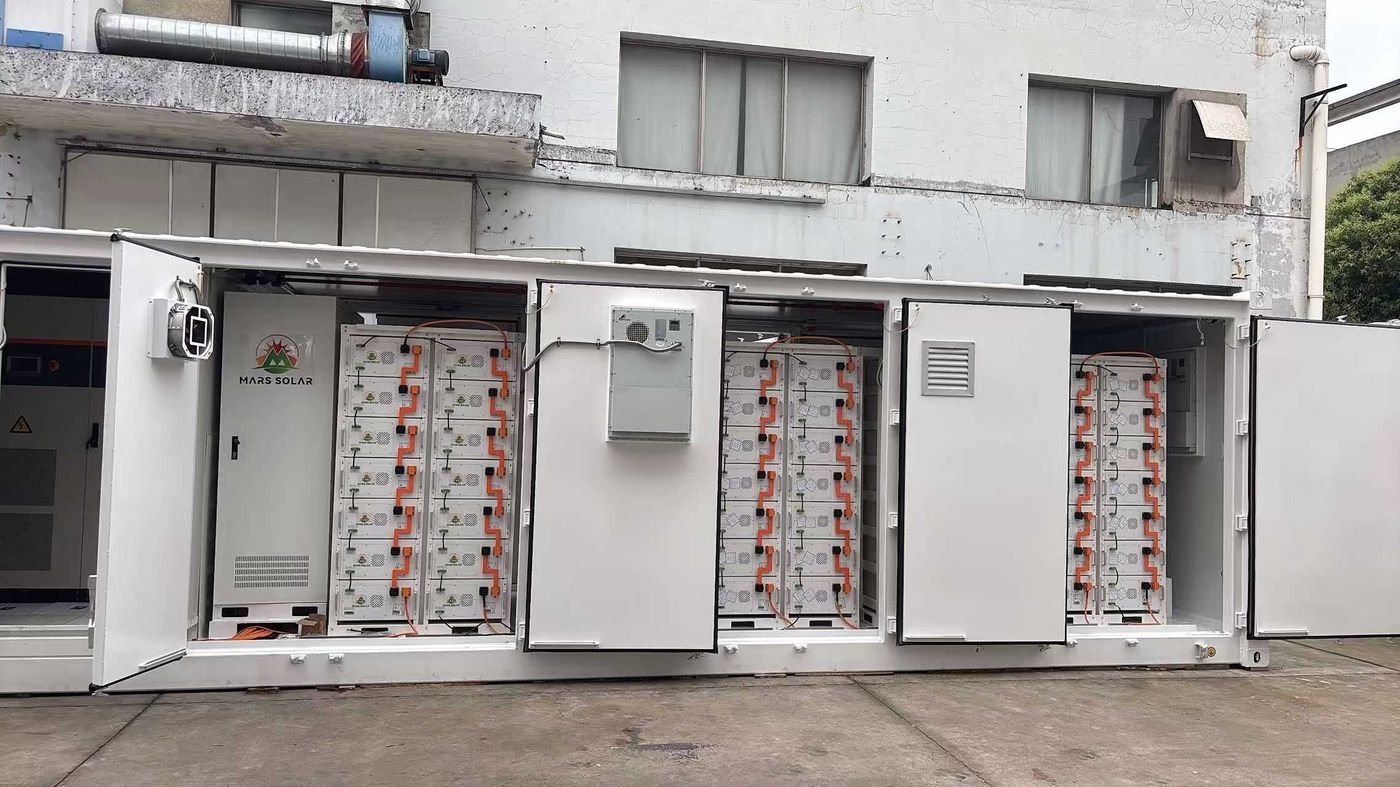 Buying Guide
B2B solar sourcing moved online — and so did the low-quality suppliers. This 7-point audit is the same checklist experienced importers use before wiring a deposit: certifications, cell brands, factory testing, third-party inspection and warranty fine print.
Read Article →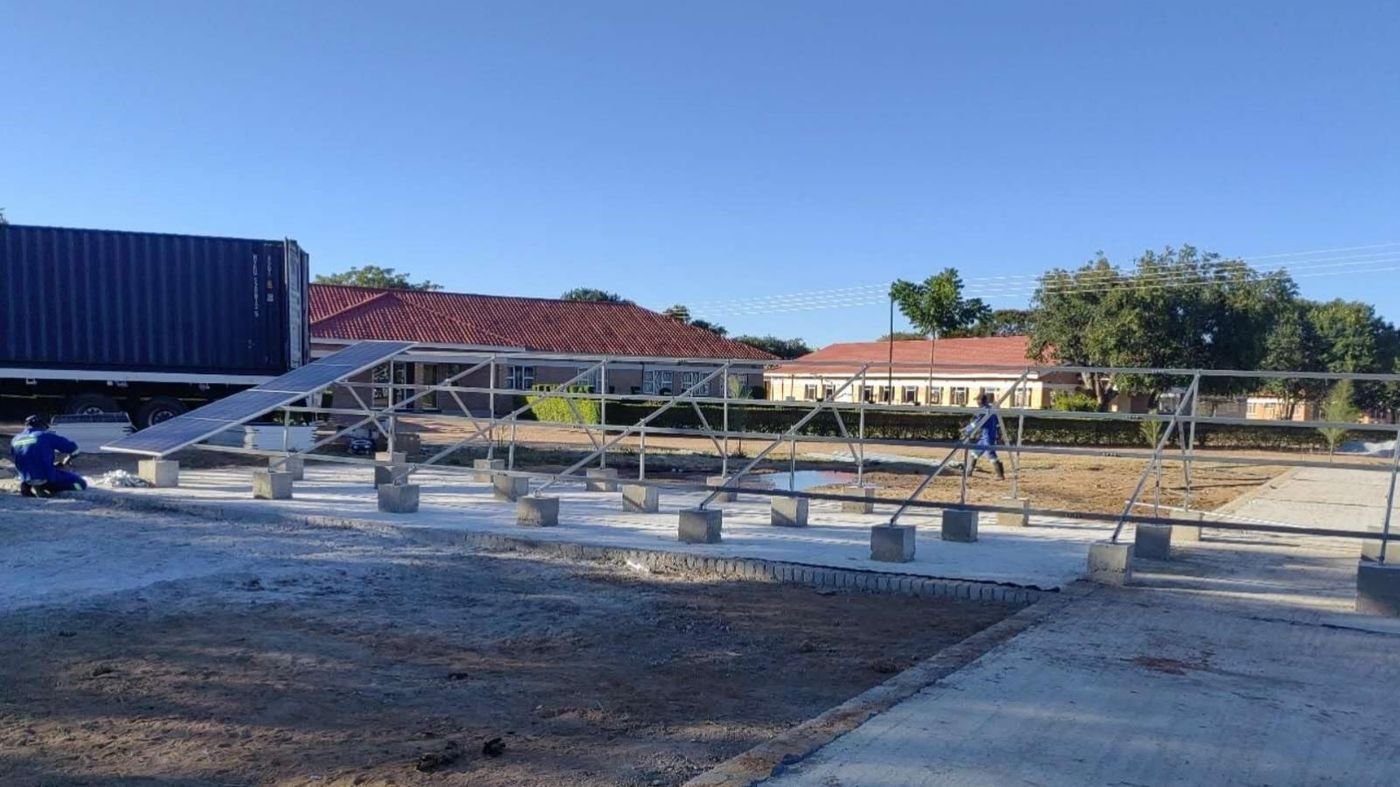 Engineering Guide
Oversizing wastes capital; undersizing strands you on diesel. This engineering guide sizes a commercial system in four steps — load audit, solar math, battery autonomy, inverter headroom — then shows the full component list of a real 100kW + 241kWh off-grid plant.
Read Article →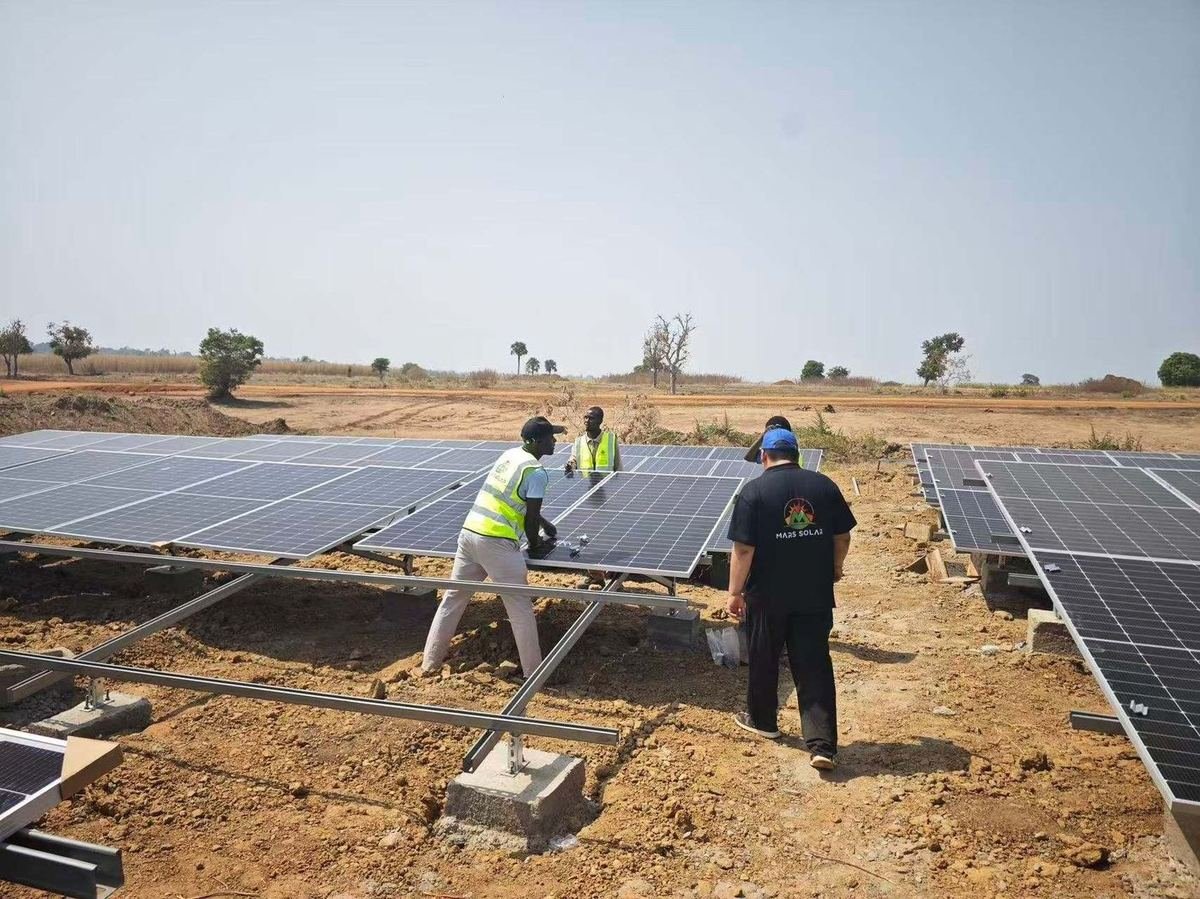 Nigeria · System Design
With 8–12 outages per day and diesel above ₦1,200/litre, the architecture you choose matters more than the price tag. Here is how on-grid, hybrid and off-grid systems actually behave in Nigerian conditions — and which one fits your business.
Read Article →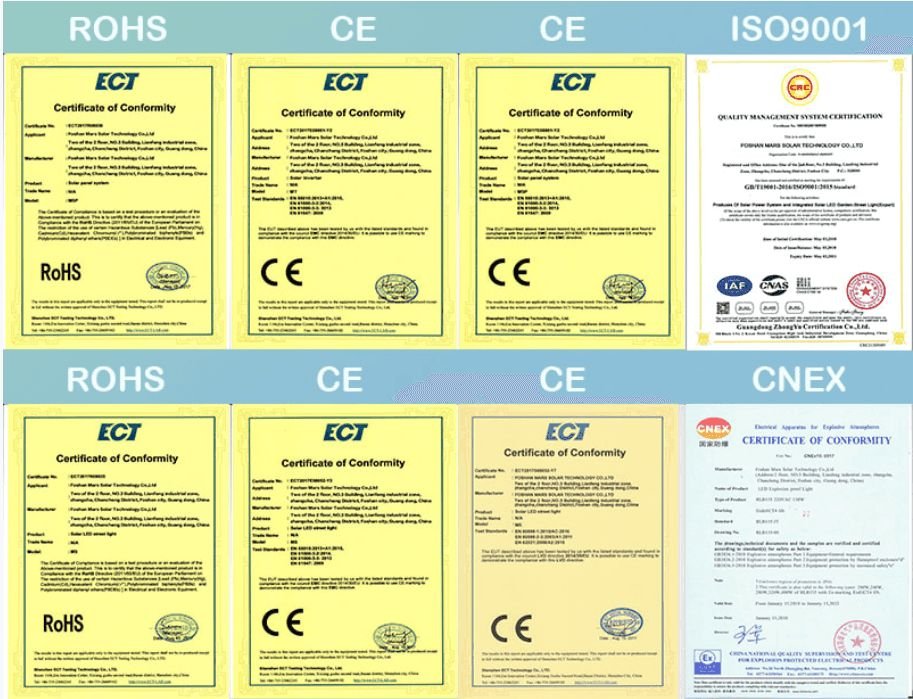 Global Sourcing · Compliance
Uncertified solar equipment is unsellable in most regulated markets — and fake certificates are a multi-million dollar problem. Here is what each certification covers, which your market requires, and how to verify every certificate in minutes.
Read Article →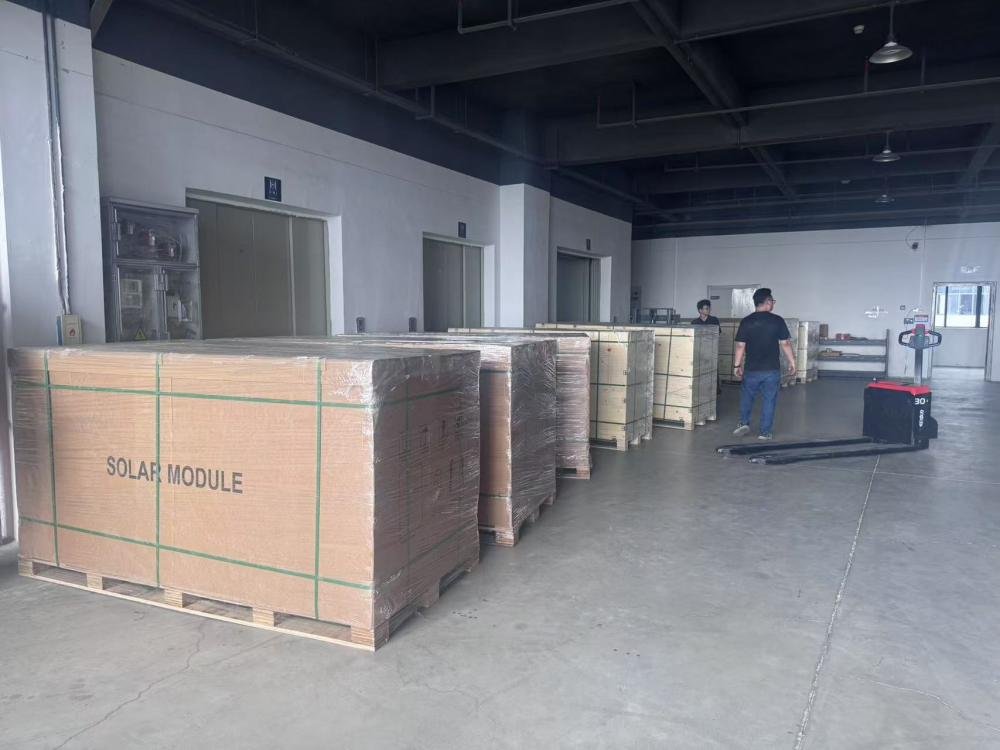 Logistics · Export
Panels leave the factory perfect — and 3–7% can arrive damaged if loading and packing are handled badly. Container math, packaging standards, the loading checklist and 2026 freight rates, distilled from 3,000+ export shipments.
Read Article →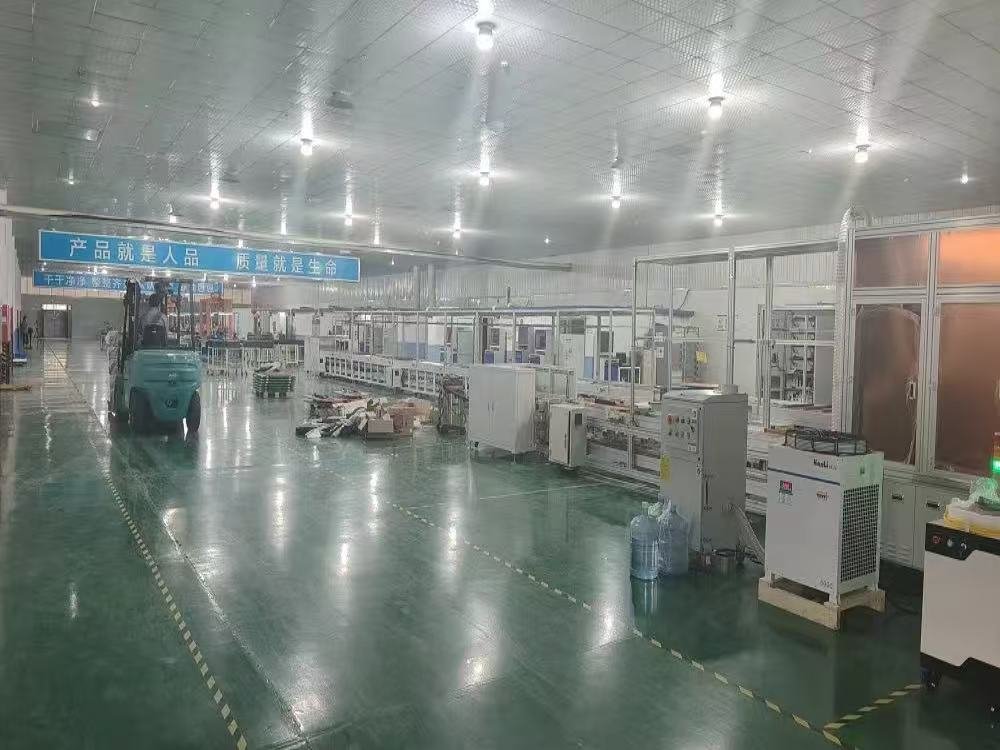 Sourcing · Due Diligence
Fake certificates, empty factories and panels that miss spec cost international buyers millions every year. A systematic 7-step verification — most of it doable remotely in under a week — protects any order.
Read Article →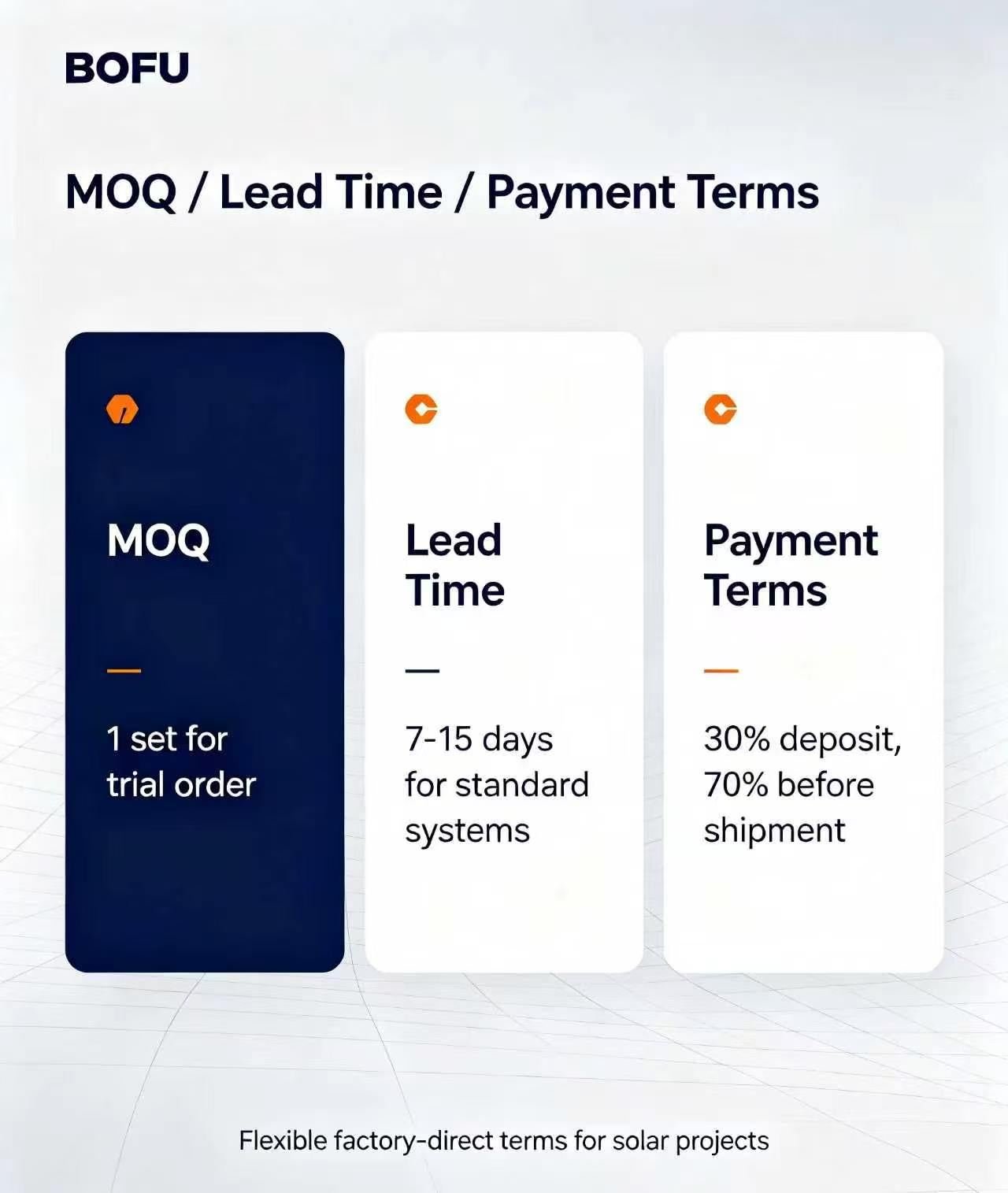 Procurement · Trade Terms
Every buyer asks the same three questions — minimum order, delivery time, how to pay — and most suppliers answer with fog. Here are the actual numbers, timelines and protections, with nothing hidden.
Read Article →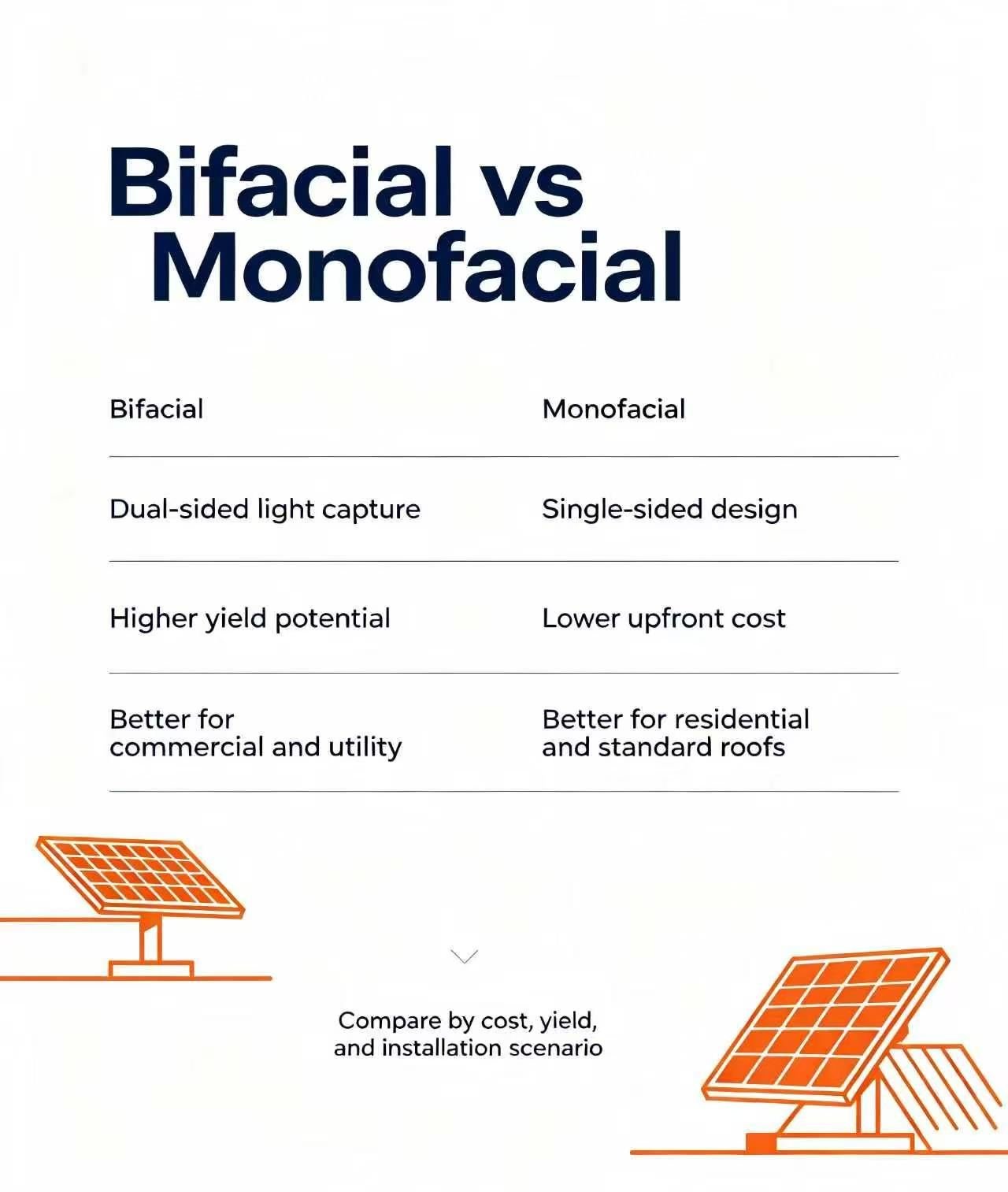 Technology · Panel Selection
Bifacial modules harvest reflected light from the rear face — worth 10–25% extra yield on bright ground, and almost nothing on a rooftop. A spec comparison plus five worked ROI scenarios to settle the choice for your project.
Read Article →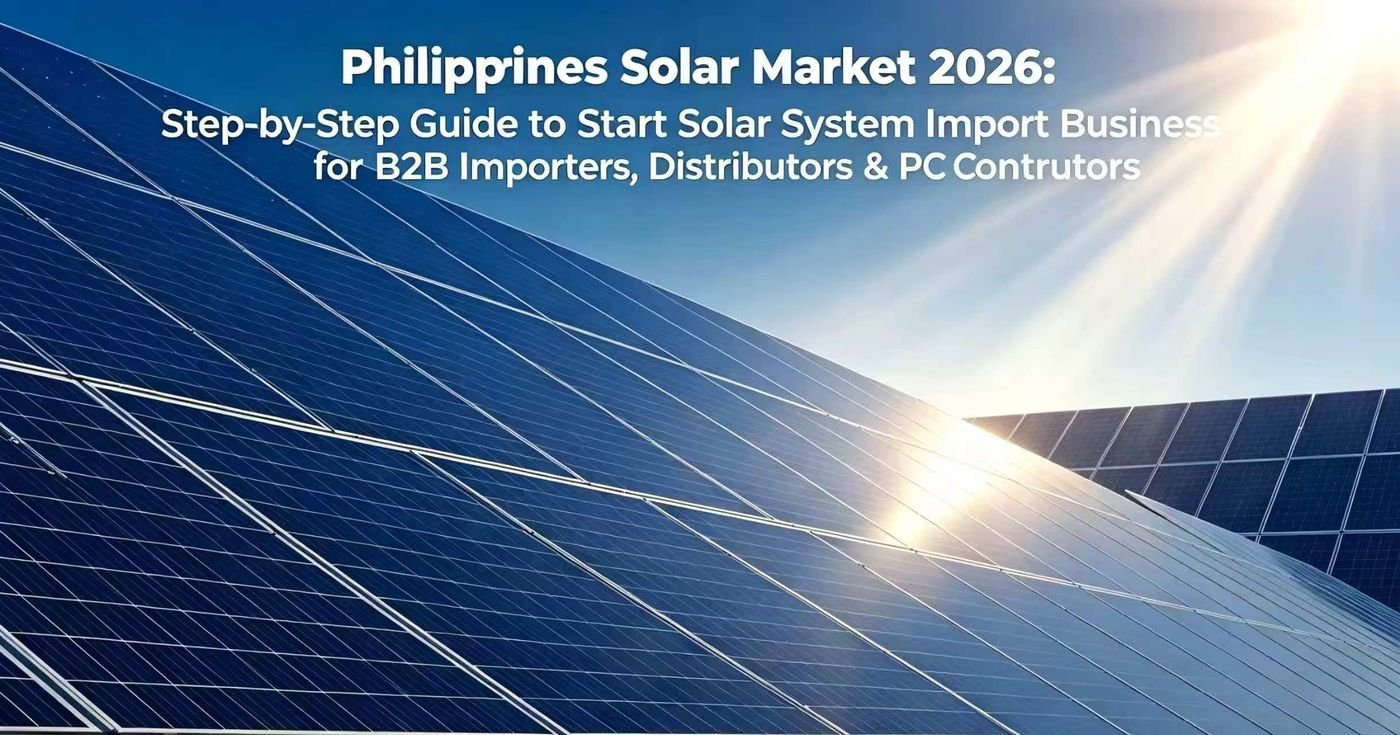 Philippines · Market Entry
Philippine electricity runs ₱11–18/kWh and rises 5–8% a year, while solar delivers power at ₱3–4/kWh. For importers, distributors and EPCs, here is how the market is structured — and how to enter it profitably.
Read Article →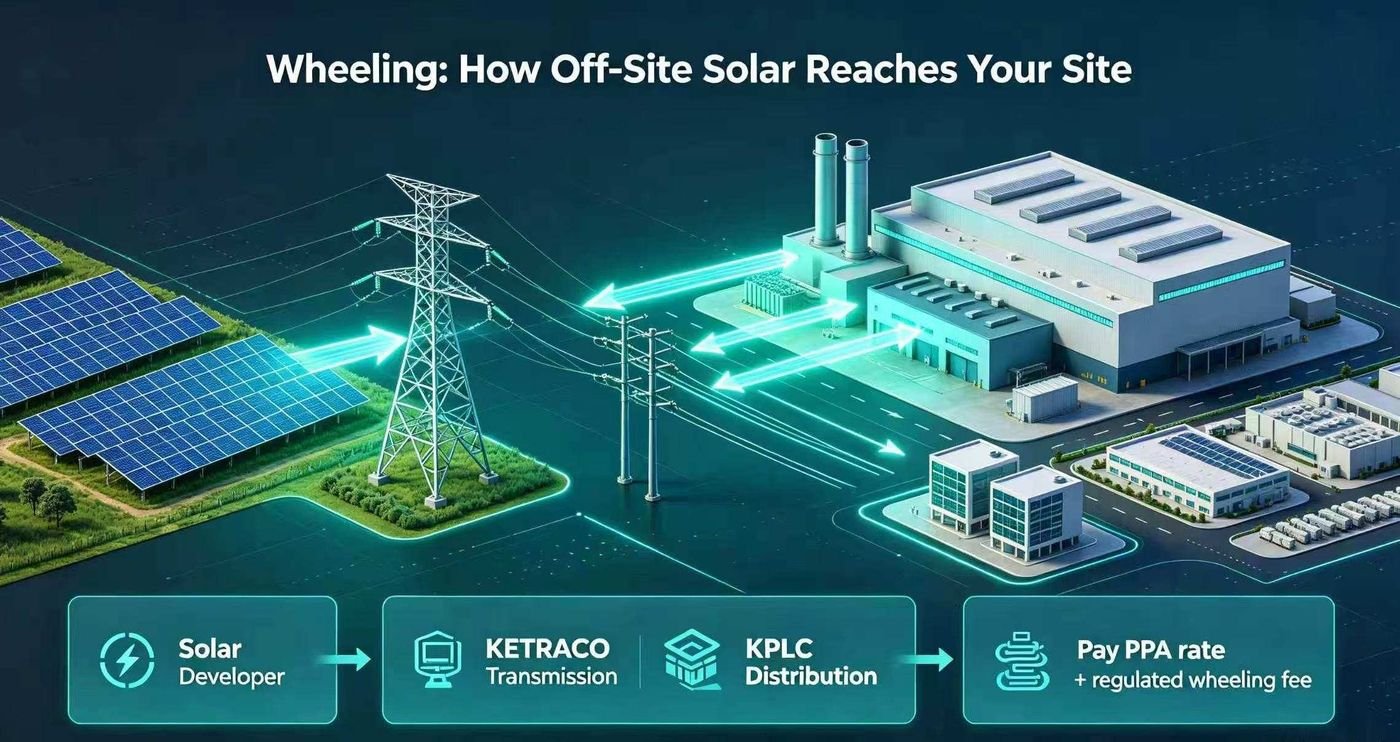 Kenya · Market Report
Under the 2026 Open Access Regulations, Kenyan factories and large consumers can contract solar developers directly at KSh 8–14/kWh — against an all-in grid rate of KSh 18–28. What changed, how wheeling works, and who qualifies.
Read Article →Get a free system design and ROI estimate within 24 hours.